
Introduction
6x6 steel post caps are protective coverings designed to fit over the tops of 6x6 inch (actual dimensions are typically 5.5x5.5 inches) wooden posts. Primarily utilized in outdoor construction – encompassing fences, decks, pergolas, and landscaping – these caps serve a critical role in extending the lifespan of the supporting wood infrastructure. Their function extends beyond simple aesthetic enhancement; they are a key component in preventing water intrusion, which is a primary driver of wood rot and structural degradation. The manufacturing process typically involves steel fabrication, often utilizing carbon steel, galvanized steel, or stainless steel, with subsequent finishing processes like powder coating to enhance corrosion resistance. The selection criteria for a 6x6 steel post cap are driven by load-bearing requirements, environmental exposure levels, aesthetic preferences, and adherence to relevant building codes. These caps represent a comparatively small investment relative to the overall construction cost, but provide substantial long-term benefits in terms of reduced maintenance and extended structural integrity.
Material Science & Manufacturing
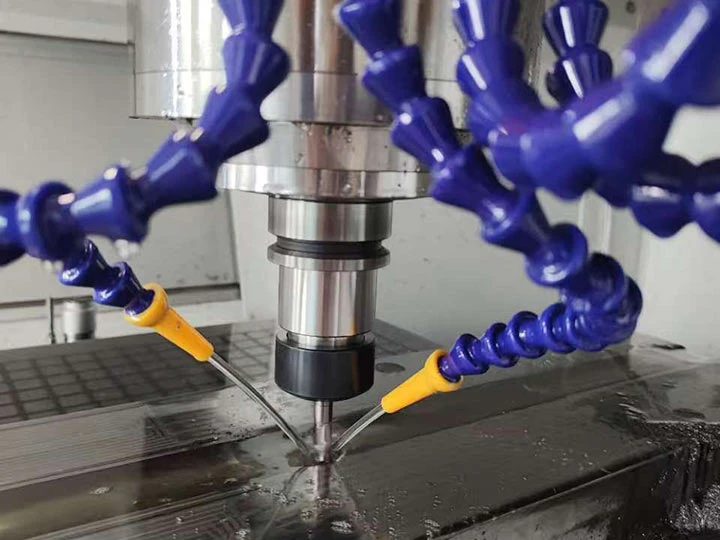
The foundational material for 6x6 steel post caps is typically carbon steel (AISI 1018, for example), though galvanized steel (ASTM A36 with zinc coating) and stainless steel (304 or 316 grades) are common alternatives. Carbon steel offers high strength at a lower cost, but is susceptible to corrosion. Galvanization provides a sacrificial zinc layer, protecting the underlying steel from oxidation. Stainless steel, particularly 316, provides superior corrosion resistance due to its chromium and molybdenum content, making it ideal for marine or highly corrosive environments. Manufacturing typically begins with steel sheet or plate. The cap’s shape is formed via processes like die stamping, laser cutting, or waterjet cutting, depending on complexity and production volume. Welding (SMAW, MIG, or TIG) is employed to join components, if applicable, and to attach mounting plates or decorative elements. Key parameters include weld penetration, heat input, and filler metal composition to ensure weld integrity. Following fabrication, surface preparation is crucial. This involves degreasing, pickling (acid cleaning), and potentially sandblasting to remove mill scale and contaminants. Finally, a protective coating is applied, most commonly powder coating (epoxy or polyester based) for durability and aesthetics. Quality control at each stage involves dimensional inspections, material composition analysis, and coating thickness verification. The choice of manufacturing process directly impacts material grain structure and residual stress, influencing the cap's long-term fatigue resistance.
Performance & Engineering
The primary engineering consideration for 6x6 steel post caps is load distribution and resistance to environmental factors. The cap must effectively transfer vertical loads from structures (e.g., a deck railing) to the underlying post. Finite Element Analysis (FEA) is frequently used to model stress concentrations around mounting points and weld seams, optimizing cap geometry to minimize stress risers. Wind loads are also critical, particularly in exposed environments. Caps are designed to withstand uplift forces caused by wind pressure. Corrosion resistance is paramount. Galvanization provides cathodic protection, but the zinc layer is consumed over time. Stainless steel offers inherent corrosion resistance, but the selection of the appropriate grade (304 vs. 316) depends on chloride exposure levels. The coating system (e.g., powder coating) must provide a robust barrier against moisture and UV radiation. Environmental resistance also encompasses thermal cycling – expansion and contraction of the steel due to temperature fluctuations. This can lead to coating failure if the coating’s coefficient of thermal expansion doesn’t closely match that of the steel substrate. Compliance requirements often dictate minimum coating thickness and salt spray testing hours (ASTM B117) to ensure adequate corrosion protection. Furthermore, considerations for snow load and potential impact forces from debris are essential in specific geographic locations.
Technical Specifications
| Material Grade | Coating Type | Minimum Coating Thickness (µm) | Tensile Strength (MPa) |
|---|---|---|---|
| AISI 1018 Carbon Steel | Epoxy Powder Coat | 60 | 440 |
| ASTM A36 Galvanized Steel | Polyester Powder Coat | 80 | 400 |
| 304 Stainless Steel | None (Polished) | N/A | 517 |
| 316 Stainless Steel | None (Polished) | N/A | 586 |
| AISI 1018 Carbon Steel | Zinc-rich Primer + Polyester Topcoat | 100 | 440 |
| ASTM A36 Galvanized Steel | Epoxy Powder Coat | 70 | 400 |
Failure Mode & Maintenance
Common failure modes for 6x6 steel post caps include corrosion (particularly in carbon steel and inadequately galvanized caps), coating degradation (chipping, blistering, fading), weld failure (due to fatigue or poor weld quality), and mechanical damage (impact from debris). Corrosion initiates at scratches, abrasions, or areas where the coating is compromised. Rust formation weakens the steel and can lead to structural failure. Coating degradation is primarily caused by UV exposure, thermal cycling, and abrasion. Weld failures often occur due to fatigue cracking under cyclical loading, especially if the weld was not properly executed (e.g., insufficient penetration, porosity). Mechanical damage can result in deformation or fracture. Preventative maintenance is crucial. Regular inspection (annually) for signs of corrosion, coating damage, and weld cracking is recommended. Damaged coatings should be repaired promptly via cleaning, priming, and re-coating. Loose or corroded fasteners should be replaced. For galvanized steel caps, a clear sealant can be applied to exposed galvanized surfaces to slow down the corrosion process. Stainless steel caps require minimal maintenance, but should still be inspected for surface pitting or corrosion in severe environments. If significant corrosion is detected, the cap should be replaced to prevent further structural damage to the post.
Industry FAQ
Q: What is the difference between galvanized steel and stainless steel for post caps, and which is more suitable for coastal applications?
A: Galvanized steel offers a zinc sacrificial layer for corrosion protection, making it a cost-effective option. However, the zinc layer is consumed over time. Stainless steel, particularly grade 316, provides superior corrosion resistance due to its chromium and molybdenum content, which forms a passive oxide layer. For coastal applications with high salt spray exposure, 316 stainless steel is highly recommended due to its enhanced resistance to chloride-induced corrosion. While galvanized steel can be used with additional protective coatings, 316 stainless steel offers a longer service life and reduced maintenance in harsh marine environments.
Q: How important is the powder coating thickness, and what testing methods are used to verify it?
A: Powder coating thickness is critically important as it directly impacts corrosion resistance and durability. A thicker coating provides a more robust barrier against environmental factors. A minimum thickness of 60µm is generally recommended, but 80µm or higher is preferable for demanding applications. Coating thickness is typically verified using non-destructive testing methods such as eddy current testing or magnetic induction testing. These methods measure the coating thickness without damaging the underlying substrate. Salt spray testing (ASTM B117) is also commonly used to assess the overall corrosion resistance of the coated cap.
Q: What types of welding processes are typically used in the manufacturing of steel post caps, and what are the key weld quality considerations?
A: Shielded Metal Arc Welding (SMAW), Gas Metal Arc Welding (MIG), and Tungsten Inert Gas (TIG) welding are common processes. MIG welding is often favored for its speed and efficiency, while TIG welding provides higher weld quality and is suitable for thinner materials. Key weld quality considerations include complete fusion (penetration), minimal porosity, appropriate weld bead geometry, and the use of compatible filler metals. Non-destructive testing, such as visual inspection and dye penetrant testing, is used to detect weld defects.
Q: What are the common causes of powder coating failure on steel post caps, and how can they be mitigated?
A: Common causes of powder coating failure include poor surface preparation (contamination, inadequate cleaning), improper curing, UV degradation, impact damage, and thermal expansion mismatch. Mitigation strategies include thorough surface preparation (degreasing, pickling, sandblasting), ensuring proper curing time and temperature, using UV-resistant powder coatings, and selecting coatings with a coefficient of thermal expansion close to that of the steel substrate. Applying a zinc-rich primer beneath the powder coat can also enhance corrosion resistance.
Q: How does the design of the post cap (e.g., with or without a flared edge) affect its performance and water runoff?
A: A post cap with a flared edge or overhanging design is generally more effective at directing water runoff away from the top of the post, minimizing water intrusion and subsequent rot. Caps without a flared edge rely solely on the angle of the cap itself, which may not be sufficient to prevent water from pooling or seeping into the wood. The flared edge also provides some degree of shielding against direct sunlight, reducing UV exposure to the post and the cap itself. The design should also consider snow load, ensuring the cap can effectively shed snow without excessive accumulation.
Conclusion
6x6 steel post caps represent a crucial component in the longevity and structural integrity of outdoor wood constructions. Their selection requires a detailed understanding of material science principles – specifically the tradeoffs between carbon steel, galvanized steel, and stainless steel – and the impact of manufacturing processes on material properties. Effective performance is dictated by careful engineering considerations related to load distribution, environmental resistance, and adherence to relevant building codes. Proactive maintenance, including regular inspection and timely repair of coating damage, is essential to prevent premature failure.
Looking forward, advancements in coating technology, such as the development of self-healing coatings and improved UV stabilizers, will further enhance the durability and lifespan of these components. The integration of sensor technology within post caps for real-time corrosion monitoring represents a potential area of innovation. Ultimately, a technically sound approach to material selection, manufacturing, and maintenance will ensure the long-term performance and cost-effectiveness of 6x6 steel post caps in a wide range of applications.