
Introduction
Aluminum chimney caps are essential components in residential, commercial, and industrial chimney systems, serving as protective coverings for the flue. Positioned at the termination point of the chimney, their primary function is to prevent the ingress of water, snow, debris, and animals while allowing the safe passage of combustion gases. The material of choice, aluminum, offers a balance of corrosion resistance, lightweight characteristics, and cost-effectiveness. These caps are typically fabricated from various aluminum alloys, selected based on the intended application and environmental exposure. Performance metrics center around weather resistance, structural integrity under wind loads, and compatibility with the chimney materials. This guide details the material science, manufacturing processes, performance characteristics, potential failure modes, and relevant standards pertaining to aluminum chimney caps.
Material Science & Manufacturing
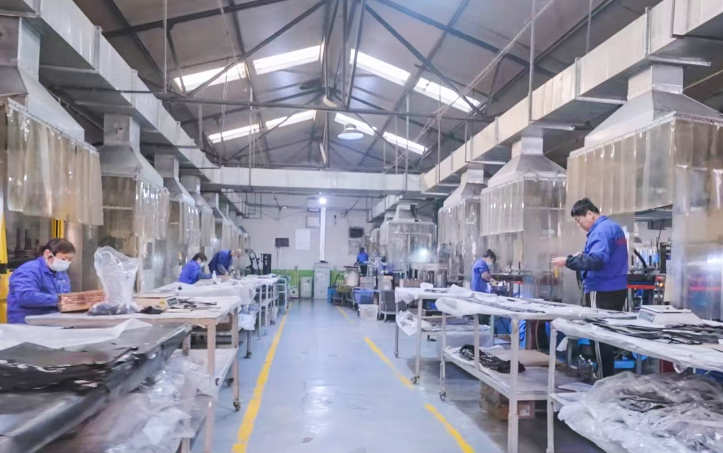
The predominant material for aluminum chimney caps is typically Alloy 3003 or 5052 aluminum. 3003 exhibits excellent workability, corrosion resistance, and weldability, making it ideal for forming complex cap geometries. Its tensile strength ranges from 170-275 MPa, and yield strength from 75-155 MPa. Alloy 5052 offers higher strength (tensile 260-345 MPa, yield 155-240 MPa) and improved corrosion resistance, especially in marine environments. Manufacturing generally involves deep drawing or stamping of aluminum sheets to create the cap's basic shape. Subsequent processes include welding (typically using Gas Tungsten Arc Welding - GTAW, or Gas Metal Arc Welding - GMAW) for assembling multiple components, such as support structures or spark arrestor screens. Parameter control is critical during welding to prevent porosity, cracking, and distortion. Heat treatment, while not always necessary, can be employed to enhance the mechanical properties of certain alloys. Surface finishing, such as anodizing, is frequently applied to improve corrosion resistance and aesthetic appeal. Anodizing creates a protective oxide layer, increasing the cap's lifespan, particularly in areas exposed to acidic rain or industrial pollutants. Proper surface preparation, including degreasing and etching, is crucial for effective anodization. The selection of shielding gas during welding, and the precise control of welding current and voltage, directly impact weld quality and long-term durability.
Performance & Engineering
The performance of an aluminum chimney cap is governed by several engineering considerations. Wind load resistance is paramount, particularly in regions prone to high winds or hurricanes. Caps are designed to withstand specific wind pressures, calculated using structural analysis techniques and adhering to local building codes. Force analysis involves determining the pressure distribution across the cap's surface and assessing the resulting stresses in the aluminum alloy. Environmental resistance is another crucial factor. Aluminum, while inherently corrosion-resistant, can experience galvanic corrosion when in contact with dissimilar metals (e.g., steel chimney liners). Therefore, proper isolation techniques, such as the use of non-conductive gaskets or coatings, are essential. The cap's geometry also influences its performance; a streamlined design minimizes wind resistance and reduces the potential for turbulence. Spark arrestors, often integrated into chimney caps, must meet stringent performance requirements to prevent the escape of embers and sparks, minimizing fire hazards. These arrestors are typically constructed from welded wire mesh, with mesh size and wire diameter specified by relevant safety standards. Compliance requirements vary depending on the location and application. Residential chimney caps must adhere to local building codes, while industrial applications may require compliance with stricter environmental regulations regarding emissions control and safety.
Technical Specifications
| Parameter | Unit | Typical Value (3003 Alloy) | Typical Value (5052 Alloy) |
|---|---|---|---|
| Tensile Strength | MPa | 170-275 | 260-345 |
| Yield Strength | MPa | 75-155 | 155-240 |
| Corrosion Resistance | Qualitative | Excellent | Very Good (especially in saltwater) |
| Weldability | Qualitative | Excellent | Good |
| Minimum Thickness | mm | 1.5 | 1.2 |
| Maximum Wind Load Resistance | km/h | 160 | 180 |
Failure Mode & Maintenance
Aluminum chimney caps are susceptible to several failure modes. Corrosion, particularly galvanic corrosion in contact with dissimilar metals, is a primary concern. This can lead to pitting, weakening of the material, and eventual failure. Fatigue cracking can occur due to cyclical wind loads and thermal stress. Repeated expansion and contraction of the aluminum alloy can initiate cracks, especially around welds or areas of stress concentration. Physical damage, such as impact from falling debris, can cause dents, punctures, or complete cap failure. Another potential failure mode is oxidation, resulting in the formation of a white powdery residue on the surface. While oxidation doesn't necessarily compromise structural integrity immediately, it can accelerate corrosion. Maintenance typically involves periodic visual inspections for signs of corrosion, cracks, or damage. Cleaning the cap to remove accumulated debris and soot is also recommended. If galvanic corrosion is identified, isolating the aluminum cap from the dissimilar metal (e.g., using a non-conductive barrier) is crucial. Weld repairs should be performed by qualified welders using appropriate welding techniques and filler materials. Replacing severely corroded or damaged caps is often the most effective long-term solution. An application of a corrosion inhibitor designed for aluminum alloys can also extend the cap’s service life.
Industry FAQ
Q: What is the primary advantage of using aluminum versus stainless steel for chimney caps?
A: Aluminum offers a significantly lower weight-to-strength ratio than stainless steel, simplifying installation and reducing the structural load on the chimney itself. It also generally exhibits better corrosion resistance in typical atmospheric conditions, particularly when anodized, and is often more cost-effective than high-grade stainless steel.
Q: How do I prevent galvanic corrosion if my chimney liner is made of steel?
A: Complete isolation of the aluminum cap from the steel liner is crucial. This can be achieved using non-conductive gaskets between the cap and liner, or by applying a barrier coating (e.g., a specialized bituminous paint) to the steel liner where it contacts the aluminum. Regularly inspecting the interface for signs of corrosion is also essential.
Q: What mesh size is required for a spark arrestor to meet NFPA 211 standards?
A: NFPA 211 typically requires a mesh size of no more than 0.5 inches (12.7 mm) to effectively contain embers and sparks. The wire diameter should be sufficient to maintain the mesh’s structural integrity under expected operating conditions.
Q: What is the expected lifespan of an aluminum chimney cap in a coastal environment?
A: In a coastal environment, characterized by high humidity and salt spray, the lifespan of an aluminum chimney cap can range from 5 to 10 years, depending on the alloy used (5052 is preferred) and the effectiveness of any applied surface treatments like anodizing. Regular inspections and maintenance are essential to maximize lifespan.
Q: Can I paint an aluminum chimney cap? If so, what type of paint should I use?
A: Yes, aluminum chimney caps can be painted, but proper surface preparation is critical. The cap must be thoroughly cleaned and etched before applying a primer specifically designed for aluminum. Following the primer, use a high-quality exterior acrylic or enamel paint formulated for metal surfaces. Avoid oil-based paints as they may not adhere well.
Conclusion
Aluminum chimney caps represent a reliable and cost-effective solution for protecting chimney systems from the elements and maintaining safe combustion practices. The selection of appropriate aluminum alloys, coupled with meticulous manufacturing processes and proper installation techniques, is paramount to ensuring long-term performance and durability. Understanding the potential failure modes—particularly corrosion and fatigue—is crucial for implementing effective maintenance strategies.
Continued advancements in aluminum alloy technology and surface treatments are poised to further enhance the lifespan and performance of these critical components. Future research and development should focus on optimizing alloy compositions for improved corrosion resistance in harsh environments, and on developing more durable and effective protective coatings. Adherence to relevant industry standards and building codes remains essential for ensuring safety and compliance.