
Introduction
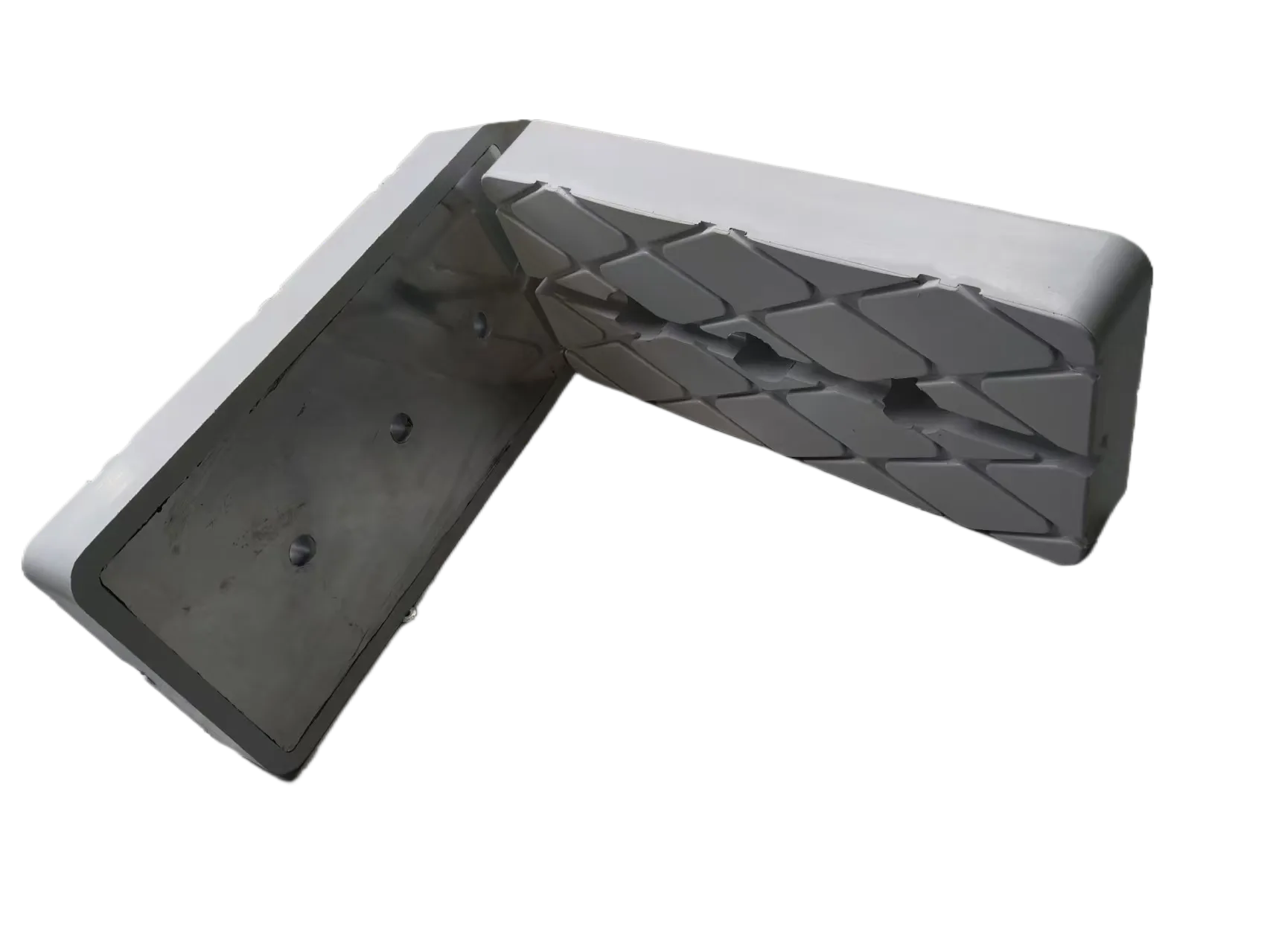
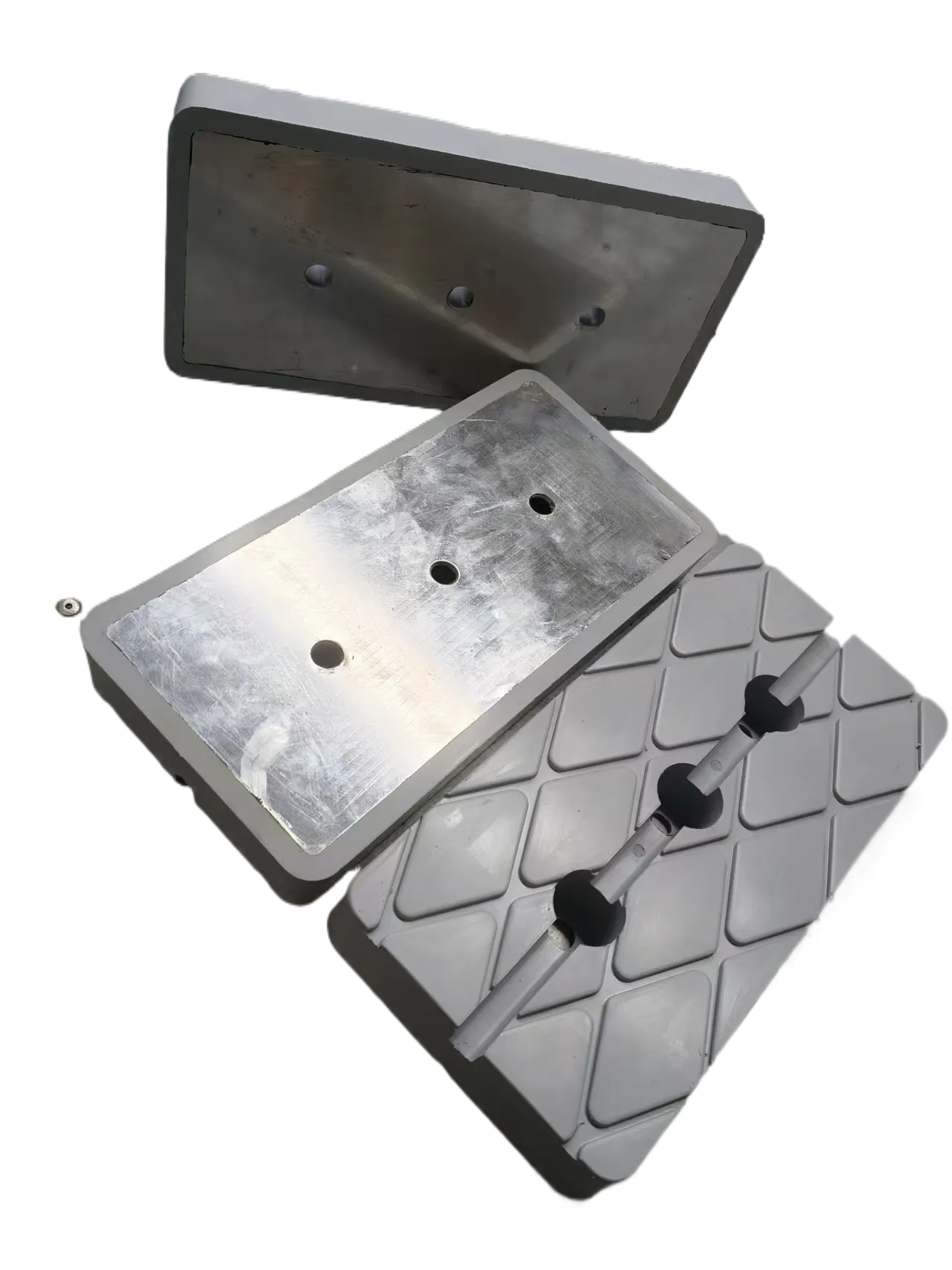
Cast iron caps are protective covers typically used in industrial settings to seal, safeguard, and retain components such as pipe ends, flanges, and threaded connections. Positioned within the broader infrastructure of fluid handling and structural integrity, the cast iron cap serves a critical function in preventing contamination, corrosion, and physical damage. Their primary performance characteristics revolve around pressure containment, corrosion resistance, and mechanical strength. Unlike polymeric or stainless-steel alternatives, cast iron caps offer a cost-effective solution for applications where high tensile strength isn’t paramount, but robust protection against impact and environmental factors is required. A key pain point in industry is selecting the appropriate grade of cast iron and ensuring the cap’s dimensions precisely match the component it is intended to protect. Improper fit or material selection can lead to leaks, failures, and costly downtime. This guide provides an in-depth examination of cast iron caps, encompassing material science, manufacturing, performance, failure analysis, and applicable industry standards.
Material Science & Manufacturing
Cast iron caps are primarily composed of iron alloys with varying carbon content (typically 2-4%), silicon, manganese, phosphorus, and sulfur. The most common grades utilized are Gray Cast Iron (ASTM A48 Class 30), Ductile Cast Iron (ASTM A536 Grade 65-45-12), and White Cast Iron. Gray cast iron exhibits excellent machinability and vibration damping due to its graphite flake microstructure, making it suitable for less demanding applications. Ductile cast iron, achieved through magnesium treatment during the molten stage, possesses superior tensile strength and ductility, allowing it to withstand higher stresses and impacts. White cast iron, containing high carbon in cementite form, offers exceptional wear resistance but is brittle.
The manufacturing process generally involves sand casting. Molten iron is poured into a sand mold created using a pattern representing the cap's desired geometry. Key process parameters influencing the final product quality include melt temperature, pouring rate, sand composition (grain size, clay content), and cooling rate. Precise control of these parameters minimizes defects such as porosity, shrinkage cavities, and sand inclusions. Post-casting operations include core removal, gate removal, shot blasting for surface cleaning, and potentially machining to achieve tight dimensional tolerances. Heat treatment processes, such as annealing, can be employed to relieve residual stresses and improve ductility. Chemical composition is strictly monitored through spectroscopic analysis to ensure adherence to specified standards. The surface finish is often enhanced through phosphate coating or painting to further improve corrosion resistance.
Performance & Engineering
The performance of a cast iron cap is governed by several engineering principles. Primarily, it must withstand internal pressure from the contained fluid or gas. Wall thickness calculations are critical, utilizing equations derived from thin-walled pressure vessel theory (Hoop stress: σ = PD/2t, where P is pressure, D is diameter, and t is wall thickness). The material’s yield strength and safety factor are crucial considerations in determining the appropriate wall thickness. Furthermore, the cap must resist external loads, including impact, vibration, and handling stresses. Finite element analysis (FEA) is frequently used to model stress distributions under various loading conditions. Corrosion resistance is another vital aspect; cast iron is susceptible to rust, particularly in humid environments. Protective coatings (epoxy, polyurethane, zinc-rich primers) are employed to mitigate corrosion. The cap’s sealing performance is dependent on the precision of its threads or mating surface and the use of appropriate sealing materials (gaskets, thread sealants). Compliance requirements vary based on the application; for example, caps used in potable water systems must meet NSF/ANSI 61 standards for lead content and material compatibility. In pressure-retaining applications, adherence to ASME Boiler and Pressure Vessel Code Section VIII, Division 1 is often necessary.
Technical Specifications
| Parameter | Gray Cast Iron (A48 Class 30) | Ductile Cast Iron (A536 Grade 65-45-12) | White Cast Iron | Unit |
|---|---|---|---|---|
| Tensile Strength | 20,000 - 40,000 | 60,000 - 120,000 | 150,000 - 300,000 | psi |
| Yield Strength | 10,000 - 20,000 | 30,000 - 60,000 | N/A (Brittle) | psi |
| Hardness (Brinell) | 150-200 | 180-250 | 400-600 | HB |
| Elongation | 0.5 - 1.5 | 8 - 20 | < 1 | % |
| Carbon Content | 3.0 - 4.0 | 3.2 - 3.8 | 2.5 - 3.5 | % |
| Corrosion Rate (in air) | 0.1 – 0.3 | 0.05 – 0.2 | 0.03 – 0.15 | mm/year |
Failure Mode & Maintenance
Cast iron caps are susceptible to several failure modes. Corrosion is a primary concern, leading to gradual material loss and eventual perforation. Rust formation weakens the cap and compromises its sealing integrity. Fatigue cracking can occur under cyclic loading, particularly around stress concentration points such as thread roots. Impact damage, from dropped objects or accidental collisions, can cause cracking or complete fracture. Thermal shock, resulting from rapid temperature changes, can induce thermal stresses leading to cracking. Another common failure mode is thread stripping, caused by over-tightening or repeated assembly/disassembly.
Preventative maintenance is crucial for extending the lifespan of cast iron caps. Regular inspection for corrosion, cracks, and thread damage is essential. Protective coatings should be reapplied as needed. Proper torque values should be used during installation to avoid thread stripping. Lubrication of threads with compatible grease can facilitate assembly and disassembly. In corrosive environments, cathodic protection can be considered. If a crack is detected, the cap should be replaced immediately. Minor corrosion can be addressed by abrasive blasting and re-coating. Periodic non-destructive testing (NDT) methods, such as visual inspection, dye penetrant testing, or ultrasonic testing, can help identify hidden defects. Regular cleaning to remove debris and contaminants also contributes to longevity.
Industry FAQ
Q: What is the primary difference between gray cast iron and ductile cast iron caps in terms of application suitability?
A: Gray cast iron caps are typically used in lower-stress applications where machinability and vibration damping are important, such as covering non-pressurized pipe ends. Ductile cast iron caps are preferred for applications demanding higher strength and toughness, like sealing pressurized systems or areas prone to impact. The increased ductility allows them to withstand greater stresses without fracturing.
Q: How do I determine the appropriate wall thickness for a cast iron cap designed for a specific pressure?
A: Wall thickness is calculated using pressure vessel theory, considering the internal pressure, diameter of the cap, and the material’s yield strength. A suitable safety factor (typically 3-4) must be applied. ASME Boiler and Pressure Vessel Code provides detailed guidance on these calculations. FEA analysis can validate the design and identify potential stress concentrations.
Q: What coating systems provide the best corrosion protection for cast iron caps in a marine environment?
A: In marine environments, a multi-layer coating system is recommended. This typically includes a zinc-rich primer for cathodic protection, followed by an epoxy intermediate coat for barrier protection, and a polyurethane topcoat for UV resistance and abrasion resistance. Regular inspection and re-application of the coating are crucial.
Q: What are the common causes of thread stripping on cast iron caps, and how can it be prevented?
A: Thread stripping is often caused by over-tightening, using incompatible thread sealants, or repeated assembly/disassembly. Prevention involves using a calibrated torque wrench to tighten caps to the manufacturer’s specified torque value, using appropriate thread lubricants, and avoiding cross-threading during installation.
Q: Are there any specific standards governing the lead content in cast iron caps used in potable water systems?
A: Yes, NSF/ANSI 61 is a widely recognized standard that sets limits on the amount of lead and other contaminants that can leach from materials used in potable water systems. Caps intended for use in these applications must be certified to meet NSF/ANSI 61 requirements.
Conclusion
Cast iron caps represent a cost-effective and reliable solution for protecting threaded connections and sealing fluid-containing systems across diverse industrial applications. Their performance is fundamentally tied to material selection – gray, ductile, or white cast iron – each possessing unique characteristics governing strength, ductility, and corrosion resistance. Understanding the manufacturing processes, particularly sand casting parameter control, is essential for minimizing defects and ensuring dimensional accuracy.
Effective implementation relies on thorough engineering analysis, including pressure vessel calculations and FEA, coupled with adherence to relevant industry standards (ASME, NSF/ANSI). Proactive maintenance, encompassing regular inspection, protective coating maintenance, and proper installation torque, is paramount in mitigating failure modes such as corrosion, fatigue cracking, and thread stripping. Future developments may focus on advanced coating technologies and alternative casting methods to enhance performance and durability.