
Introduction
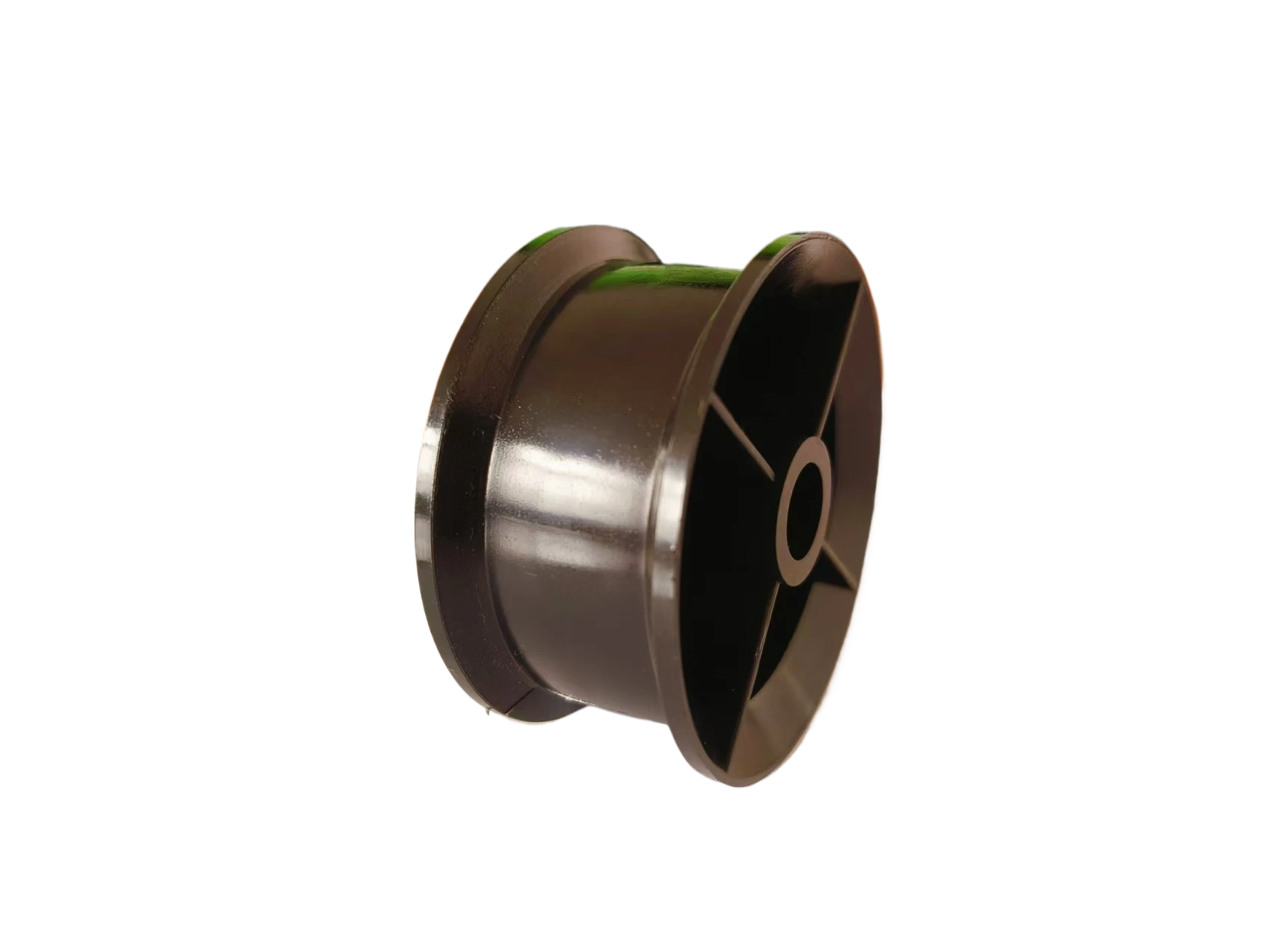
Iron post caps are protective covers installed on top of wooden or metal posts, primarily serving to prevent water ingress and subsequent decay or corrosion. Their function extends beyond simple weather protection, encompassing structural integrity maintenance and aesthetic enhancement. Within the broader construction and outdoor infrastructure supply chain, iron post caps represent a critical component, albeit often a relatively small cost item, impacting the long-term durability of fencing, decking, landscaping, and other post-supported structures. The performance of a post cap is defined by its material composition, manufacturing quality, coating durability, and securement method. Failure to adequately protect the post ends leads to wood rot, metal corrosion, and ultimately, structural failure. This guide provides an in-depth technical analysis of iron post caps, covering material science, manufacturing processes, performance characteristics, failure modes, and relevant industry standards. Core pain points in the industry revolve around achieving consistent corrosion resistance, ensuring a secure fit preventing water channeling under the cap, and minimizing maintenance requirements over the service life of the structure.
Material Science & Manufacturing
Iron post caps are typically manufactured from cast iron, wrought iron, or steel. Cast iron, containing 2-4% carbon, is valued for its affordability and castability into complex shapes. However, it exhibits limited ductility and is prone to brittle fracture. Wrought iron, historically produced with very low carbon content, possesses excellent ductility and corrosion resistance due to the presence of slag inclusions. Modern wrought iron production is limited, and most caps labeled as 'wrought iron' are actually mild steel. Steel, containing lower carbon content than cast iron, provides a balance of strength and ductility. The primary manufacturing process is sand casting for cast iron and steel, involving creating a mold using sand, pouring molten metal into the mold, and allowing it to solidify. Wrought iron, when available, is often formed through forging and rolling. Key parameters controlling quality include mold temperature, pouring temperature, cooling rate, and alloy composition. Surface preparation is critical before applying protective coatings. This typically involves abrasive blasting to remove mill scale and contaminants, followed by phosphating to enhance coating adhesion. Coating systems commonly used include galvanizing (zinc coating), powder coating (epoxy, polyester, or acrylic), and paint (primers and topcoats). The effectiveness of these coatings directly impacts corrosion resistance. The choice of iron alloy dictates the mechanical properties – tensile strength, yield strength, elongation – and weldability (if applicable). Furthermore, the silicon content in cast iron impacts fluidity during casting and influences the microstructure formed.
Performance & Engineering
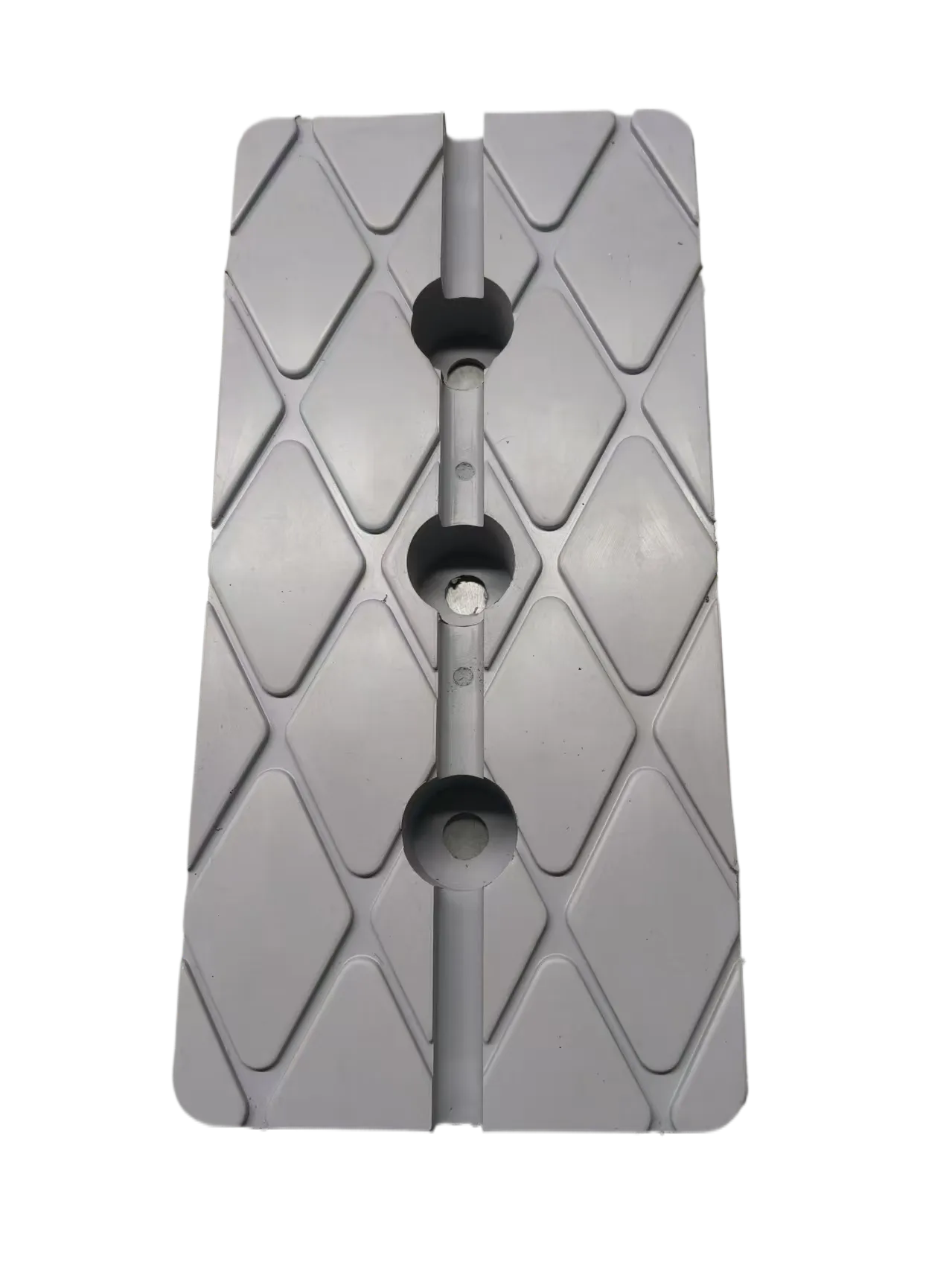
The performance of an iron post cap is largely determined by its ability to shed water effectively and resist corrosion. Force analysis considers the weight of the cap itself, wind loads (especially important for taller posts), and snow loads. The cap must be adequately secured to the post to prevent lifting or displacement. Engineering considerations include the geometry of the cap's overhang, the presence of drip edges, and the design of the mounting system. A well-designed cap will channel water away from the post, minimizing exposure to moisture. Environmental resistance is paramount; the cap must withstand exposure to UV radiation, temperature fluctuations, and corrosive agents such as salt spray (in coastal environments) and industrial pollutants. Compliance requirements vary depending on the application and geographic location. For example, structures in seismic zones may require caps with enhanced structural integrity. The choice of coating system directly impacts the cap's environmental resistance. Galvanizing provides sacrificial corrosion protection, while powder coating offers a durable, aesthetically pleasing finish. The effectiveness of the coating is quantified through salt spray testing (ASTM B117) and accelerated weathering tests (ASTM G154). Securement methods include welding, bolting, and adhesive bonding. Welding provides a strong, permanent connection but can introduce residual stresses. Bolting allows for easy installation and removal but requires periodic tightening to maintain a secure fit. Adhesive bonding is less common due to concerns about long-term durability and bond strength.
Technical Specifications
| Material | Coating Type | Post Size Compatibility (Inches) | Weight (lbs) |
|---|---|---|---|
| Cast Iron (Grade 30) | Hot-Dip Galvanizing (ASTM A123) | 4x4, 6x6 | 2.5 |
| Steel (A36) | Powder Coating (Epoxy) | 4x4, 5x5 | 1.8 |
| Cast Iron (Ductile) | Zinc Phosphate + Paint (Primer & Topcoat) | 6x6, 8x8 | 4.2 |
| Steel (1018) | Electrogalvanizing (ASTM B633) | 4x4, 6x6 | 1.5 |
| Wrought Iron (Low Carbon) | Powder Coating (Polyester) | 4x4 | 2.0 |
| Cast Iron (Gray) | No Coating (For Painting) | 4x4, 6x6 | 2.2 |
Failure Mode & Maintenance
Iron post caps are susceptible to several failure modes. Corrosion is the most common, particularly in environments with high humidity or salt exposure. Rust formation weakens the metal, leading to pitting, cracking, and eventual failure. Fatigue cracking can occur due to repeated stress cycles (e.g., wind gusts). Delamination of the coating system exposes the underlying metal to corrosion. Galvanic corrosion can occur if dissimilar metals are in contact (e.g., iron and aluminum). Physical damage, such as impact from debris, can also compromise the cap’s integrity. Maintenance involves regular inspection for signs of corrosion, coating damage, and loose fasteners. Periodic cleaning to remove dirt and debris prevents the buildup of corrosive agents. Damaged coatings should be repaired promptly to prevent further corrosion. For galvanized caps, minor rust spots can be treated with a rust converter and then repainted. Severely corroded caps should be replaced. When replacing caps, ensure that the new caps are compatible with the post material and that the mounting system is properly installed. Applying a sealant between the cap and the post further prevents water ingress. Regular tightening of bolts (if used) is crucial for maintaining a secure fit. Preventative maintenance, including applying a protective wax or sealant to the cap's surface, can significantly extend its service life.
Industry FAQ
Q: What is the primary difference between hot-dip galvanizing and electrogalvanizing in terms of corrosion protection for iron post caps?
A: Hot-dip galvanizing provides a thicker, more durable zinc coating than electrogalvanizing. This is because the zinc is metallurgically bonded to the steel during the hot-dip process, creating a robust barrier against corrosion. Electrogalvanizing offers a thinner coating, primarily for aesthetic purposes or light corrosion resistance. Hot-dip galvanizing is preferred for outdoor applications exposed to harsh environments, while electrogalvanizing is often used for indoor or less demanding applications.
Q: How does the choice of powder coating resin (epoxy, polyester, acrylic) impact the performance of an iron post cap?
A: Epoxy powder coatings offer excellent adhesion and corrosion resistance but are less UV resistant and may chalk over time. Polyester powder coatings provide good UV resistance and durability, making them suitable for outdoor applications. Acrylic powder coatings offer a good balance of properties but are generally less durable than epoxy or polyester. The specific application and exposure conditions dictate the optimal resin choice.
Q: What factors should be considered when selecting the appropriate size of iron post cap for a given post?
A: The cap should fully cover the top of the post with sufficient overhang to effectively channel water away from the end grain. A snug fit is crucial to prevent water from seeping underneath the cap. The internal dimensions of the cap must be accurately measured and compared to the external dimensions of the post. Consider whether the post dimensions vary due to moisture content and swelling.
Q: Can iron post caps be welded directly to steel posts, and what are the potential drawbacks?
A: Yes, iron post caps can be welded to steel posts. However, welding introduces residual stresses that can lead to distortion and cracking, particularly in cast iron. Proper welding procedures (preheating, post-weld heat treatment) are essential to minimize these risks. Welding also eliminates the ability to easily remove the cap for inspection or maintenance. Bolting or adhesive bonding are often preferred alternatives.
Q: What are the common signs of impending failure in an iron post cap, and how often should inspections be conducted?
A: Common signs include visible rust, blistering or peeling of the coating, cracks in the metal, loose fasteners, and deformation of the cap. Inspections should be conducted at least annually, and more frequently in harsh environments (e.g., coastal areas, industrial zones). Pay close attention to areas prone to corrosion, such as edges and corners. Early detection and preventative maintenance can significantly extend the service life of the post caps and the supporting structure.
Conclusion
Iron post caps serve as a fundamental protective element in outdoor structures, mitigating the detrimental effects of moisture and environmental factors on post integrity. The material selection – encompassing cast iron, steel, and historically, wrought iron – significantly influences the cap’s mechanical properties and corrosion resistance. Manufacturing processes, particularly sand casting, and subsequent surface treatments like galvanizing and powder coating are crucial determinants of long-term performance. Consistent adherence to industry standards, such as those defined by ASTM and ISO, is vital for ensuring quality and reliability.
Ultimately, the longevity of a post cap, and the structure it protects, relies on a comprehensive understanding of its material science, proper installation techniques, and a proactive maintenance schedule. Continued advancements in coating technologies and alloy compositions promise to enhance the durability and corrosion resistance of iron post caps, further minimizing lifecycle costs and maximizing the service life of outdoor infrastructure. Addressing the pain points of corrosion prevention and secure fitment remain core areas for future development and innovation within the industry.