

Introduction
M6 stainless steel washers are critical fastening components utilized extensively across diverse industrial applications, including automotive, aerospace, construction, and manufacturing. Classified within the broader family of standardized washers, the M6 designation refers to the metric thread diameter of 6mm, defining the compatible bolt or screw size. Their primary function is to distribute load over a wider bearing surface, prevent damage to the joined materials, and provide consistent clamping force. Stainless steel composition provides inherent corrosion resistance, making them suitable for both indoor and outdoor environments. This technical guide provides an in-depth examination of M6 stainless steel washers, covering material science, manufacturing processes, performance characteristics, potential failure modes, and relevant industry standards. A key pain point in industry is ensuring the correct grade of stainless steel is selected for the application environment to prevent premature corrosion and failure, and that washers meet dimensional tolerances for optimal performance. This guide addresses those concerns.
Material Science & Manufacturing
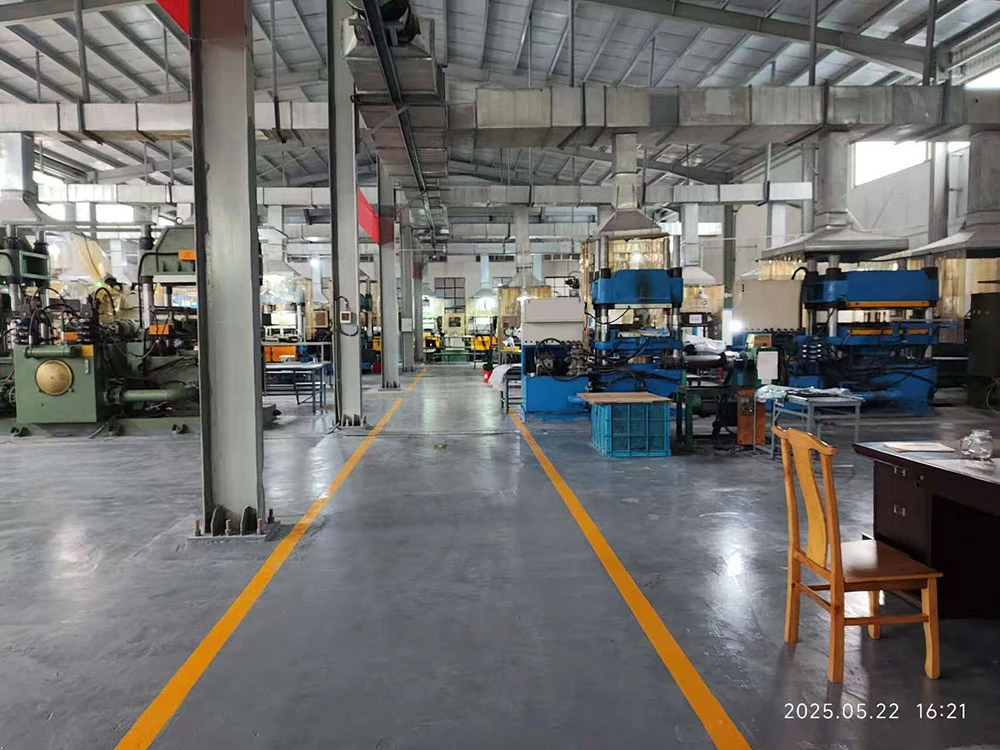
M6 stainless steel washers are predominantly manufactured from austenitic stainless steel grades, most commonly 304 and 316. 304 stainless steel, containing approximately 18% chromium and 8% nickel, exhibits excellent corrosion resistance in mild environments. 316 stainless steel, incorporating molybdenum (typically 2-3%), enhances resistance to chloride corrosion, making it ideal for marine or chemically exposed environments. The raw material is typically supplied as cold-rolled stainless steel strip. Manufacturing begins with blanking, where the washers are cut to shape from the strip using progressive dies. Subsequent processes include heading (for washers with a raised inner diameter) and rolling to achieve the final dimensions. Critical parameters during manufacturing include die quality, blanking force, and material thickness control. Heat treatment, such as annealing, may be employed to relieve stresses introduced during forming operations and improve ductility. Surface finish is often specified (e.g., bright, passivated) to further enhance corrosion resistance. Material certifications verifying chemical composition and mechanical properties are essential for quality control. Impurities in the raw material, like sulfur inclusions, can act as initiation sites for pitting corrosion.
Performance & Engineering
The performance of M6 stainless steel washers is dictated by several engineering considerations. Load distribution is paramount; the washer's surface area in contact with both the fastener head and the substrate determines the pressure exerted. The washer’s hardness must be sufficient to resist deformation under load, preventing loss of clamping force. Tensile strength and yield strength of the stainless steel grade are critical properties. The spring action of a washer (particularly split washers or wave washers) provides vibration resistance, maintaining clamp load in dynamic applications. Environmental resistance is directly linked to the stainless steel alloy; 316 stainless steel demonstrates superior performance in saline environments compared to 304. Finite element analysis (FEA) is frequently used to optimize washer geometry for specific load requirements and to predict stress concentrations. Compliance requirements, such as RoHS and REACH, restrict the use of certain materials in manufacturing and require documentation of material composition. Corrosion fatigue, a combination of cyclic loading and corrosive environment, is a significant failure mode that engineers must account for through material selection and protective coatings.
Technical Specifications
| Nominal Diameter (mm) | Inner Diameter (mm) | Thickness (mm) | Material Grade |
|---|---|---|---|
| 6 | 3.1 | 1.0 | 304 Stainless Steel |
| 6 | 3.1 | 1.5 | 304 Stainless Steel |
| 6 | 3.1 | 2.0 | 304 Stainless Steel |
| 6 | 3.1 | 1.0 | 316 Stainless Steel |
| 6 | 3.1 | 1.5 | 316 Stainless Steel |
| 6 | 3.1 | 2.0 | 316 Stainless Steel |
Failure Mode & Maintenance
M6 stainless steel washers, while corrosion-resistant, are susceptible to several failure modes. Pitting corrosion, initiated by chloride ions, can create localized attack, weakening the washer. Galvanic corrosion can occur when the stainless steel washer is in contact with dissimilar metals in a conductive environment. Crevice corrosion can develop under the washer head or between stacked washers, particularly in the presence of stagnant fluids. Fatigue cracking can occur under cyclic loading, especially at stress concentrations around the inner or outer diameter. Deformation (plastic deformation) can result from exceeding the yield strength of the material. Maintenance primarily involves periodic inspection for signs of corrosion or deformation. In corrosive environments, protective coatings (e.g., PTFE, zinc plating – though this defeats some of the stainless steel benefits) can be applied. Regular cleaning to remove contaminants can minimize corrosion risk. If washers are found to be damaged or deformed, they should be replaced immediately. Torque specifications for the associated fasteners should be adhered to prevent over-tightening, which can lead to washer deformation or thread stripping. Proper lubrication during installation can reduce friction and ensure accurate clamping force.
Industry FAQ
Q: What is the difference between 304 and 316 stainless steel washers and when should I choose one over the other?
A: 304 stainless steel offers excellent corrosion resistance in most general environments. 316 stainless steel, however, contains molybdenum, which significantly enhances resistance to chloride corrosion, making it ideal for marine applications, chemical processing, or any environment exposed to de-icing salts or high chloride concentrations. If corrosion is a significant concern, particularly in harsh environments, 316 is the preferred choice, despite the slightly higher cost.
Q: How does the thickness of a washer affect its performance?
A: Washer thickness directly influences its load-bearing capacity and resistance to deformation. Thicker washers distribute load over a larger area, reducing stress on the joined materials. However, excessive thickness can increase the overall stack-up height and potentially interfere with other components. The optimal thickness depends on the application’s specific load requirements and space constraints.
Q: Can stainless steel washers be used with steel bolts?
A: Yes, stainless steel washers can be used with steel bolts. However, galvanic corrosion can occur due to the electrochemical potential difference between the two metals, especially in the presence of an electrolyte (e.g., water). Using a non-conductive washer material between the stainless steel and steel, or applying a protective coating to the steel bolt, can mitigate this risk.
Q: What torque should be applied to a bolt with an M6 stainless steel washer?
A: Torque specifications depend on the bolt material, thread size, and lubrication. Consult the manufacturer’s recommendations for the specific bolt and washer combination. Over-tightening can lead to washer deformation or thread stripping, while under-tightening can result in a loose connection. Using a calibrated torque wrench is crucial for achieving accurate clamping force.
Q: What certifications should I look for when purchasing M6 stainless steel washers?
A: You should look for certifications verifying material composition (e.g., material test reports - MTRs), compliance with relevant standards (e.g., ISO, ASTM), and potentially RoHS/REACH compliance to ensure the absence of restricted substances. A Certificate of Conformity (CoC) can also provide assurance of quality control processes.
Conclusion
M6 stainless steel washers are essential components in countless industrial applications, providing reliable fastening solutions where corrosion resistance and consistent clamping force are crucial. Understanding the nuances of material selection (304 vs. 316), manufacturing processes, and potential failure modes is paramount for ensuring long-term performance and preventing costly downtime. Selecting the appropriate grade of stainless steel, adhering to correct torque specifications, and implementing preventative maintenance measures are all critical considerations.
The continued evolution of stainless steel alloys and manufacturing techniques promises even more durable and high-performing washers in the future. Focus on advanced surface treatments, such as plasma nitriding, and innovative washer designs, like Belleville washers, will address increasingly demanding application requirements. Careful consideration of all the factors discussed in this guide will empower engineers and procurement managers to make informed decisions and optimize the performance of their fastening systems.