
Introduction
Metal-to-metal sealing represents a critical joining technology employed across diverse industrial sectors, including aerospace, automotive, oil and gas, and power generation. Unlike sealing methods relying on elastomers or polymers, metal-to-metal seals achieve leak-tight connections through precise surface finishes, applied loads, and material compatibility. These seals are defined by their ability to maintain integrity under extreme conditions – high temperatures, pressures, and corrosive environments – where conventional sealing materials would degrade or fail. The technical challenge lies in overcoming inherent surface imperfections to create a mechanically robust and chemically resistant barrier. This guide provides a comprehensive exploration of the material science, manufacturing processes, performance characteristics, failure modes, and maintenance strategies associated with metal-to-metal sealing, focusing on resolving the key industry pain points of long-term reliability and cost-effective implementation.
Material Science & Manufacturing
The selection of materials for metal-to-metal seals is paramount, dictated by operating conditions and fluid compatibility. Common materials include stainless steels (304, 316, 17-4 PH), nickel alloys (Inconel, Hastelloy), titanium alloys, and occasionally aluminum alloys. Stainless steels offer good corrosion resistance and strength, but may be susceptible to stress corrosion cracking in chloride environments. Nickel alloys provide superior resistance to high temperatures and aggressive chemicals. Titanium alloys excel in lightweight applications with excellent corrosion resistance. Material properties, such as hardness, yield strength, and coefficient of thermal expansion, directly impact sealing performance. Manufacturing processes vary based on seal geometry. Common methods include:
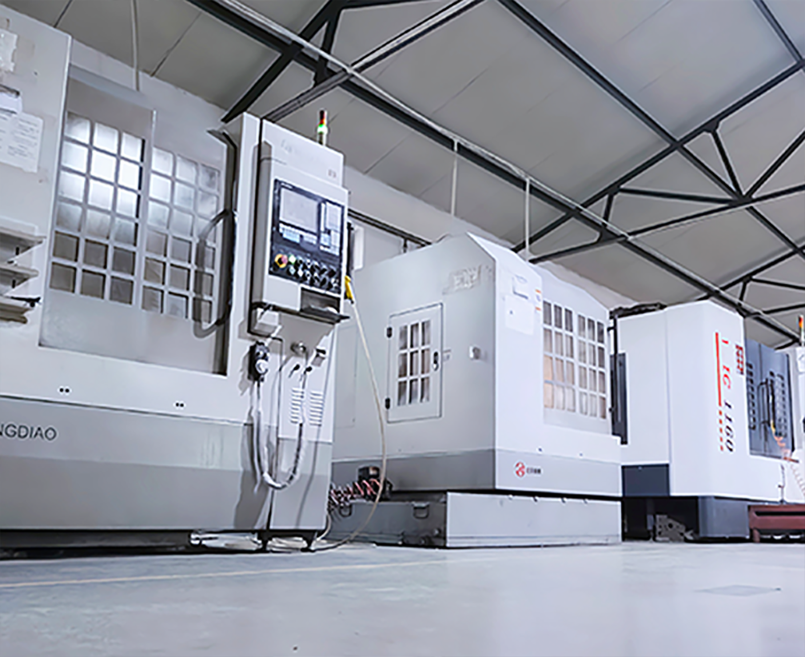
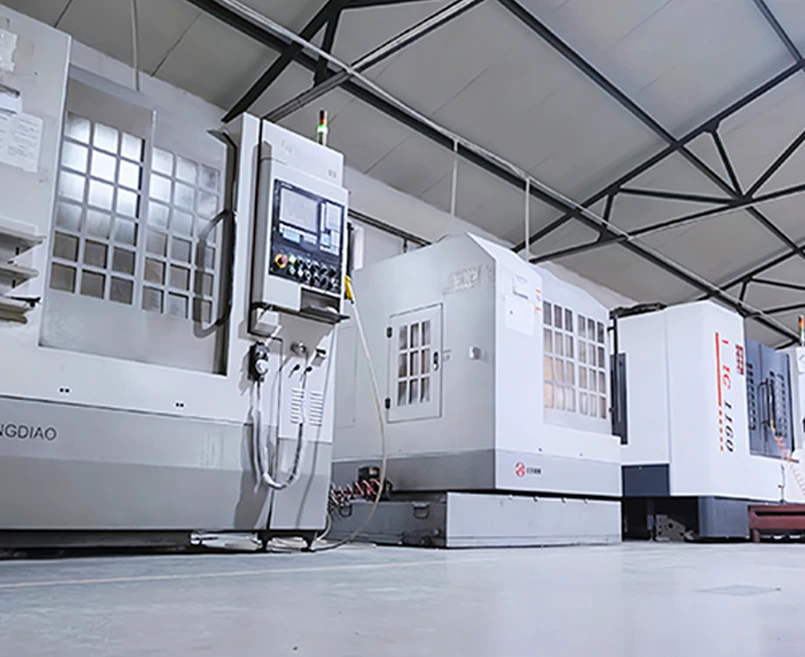
- Machining: Producing precise seal faces with controlled surface roughness. Parameter control includes cutting speed, feed rate, and coolant application to minimize heat-affected zones and maintain dimensional accuracy.
- Electroforming: Creating thin-walled seals with intricate features, offering high precision and minimal material waste. Critical parameters include plating current density, electrolyte composition, and mandrel preparation.
- Coating: Applying protective layers (e.g., gold, silver, PTFE) to enhance corrosion resistance or reduce friction. Coating thickness and adhesion are crucial for long-term performance.
- Welding (for joined seals): Ensuring complete fusion and minimizing porosity in welded joints. Shielding gas composition and welding parameters (current, voltage, travel speed) are meticulously controlled.
Surface finish is arguably the most critical parameter. Root Mean Square (RMS) roughness values typically range from 1 to 8 microinches, depending on the application and pressure requirements. Achieving these values requires precision lapping, polishing, or grinding processes. Chemical compatibility between the sealing surfaces and the process fluid is also vital. Galvanic corrosion can occur when dissimilar metals are in contact in the presence of an electrolyte, leading to seal failure.
Performance & Engineering
The performance of metal-to-metal seals is heavily influenced by applied load, surface finish, and operating temperature. Force analysis is crucial to determine the required clamping force to achieve a leak-tight seal. The sealing mechanism relies on plastic deformation of microscopic asperities on the sealing surfaces. Higher loads generally improve sealing performance but can also lead to increased friction and wear. Environmental resistance is another key consideration. High temperatures can cause thermal expansion, altering the clamping force and potentially inducing stress. Corrosive environments can degrade the sealing surfaces, increasing leakage rates. Compliance requirements, such as those mandated by API 6A for wellhead equipment or ASME Boiler and Pressure Vessel Code, dictate specific testing procedures and performance criteria. Finite Element Analysis (FEA) is frequently employed to model stress distribution and predict seal performance under various loading conditions. The coefficient of friction between the sealing surfaces is also critical, particularly in dynamic sealing applications. Lower friction coefficients minimize wear and reduce the power required to overcome the sealing force. Seal design must also account for thermal cycling, which can induce stresses and strains in the sealing materials.
Technical Specifications
| Parameter | Typical Value (Stainless Steel 316) | Typical Value (Inconel 718) | Typical Value (Titanium Grade 5) | Unit |
|---|---|---|---|---|
| Surface Roughness (RMS) | 1-4 | 1-4 | 1-4 | µin |
| Hardness | 190-210 | 350-450 | 300-400 | BHN |
| Yield Strength | 80-100 | 160-180 | 130-150 | ksi |
| Coefficient of Thermal Expansion | 13.3 | 8.5 | 8.6 | µm/m·°C |
| Maximum Operating Temperature | 650 | 1150 | 600 | °F |
| Maximum Operating Pressure | 10,000 | 20,000 | 5,000 | psi |
Failure Mode & Maintenance
Metal-to-metal seals are susceptible to several failure modes. Galling, a form of adhesive wear, occurs when mating surfaces seize due to high loads and lack of lubrication. Corrosion, particularly pitting corrosion, can degrade sealing surfaces and increase leakage. Fatigue cracking can develop under cyclic loading, initiating at surface imperfections. Thermal fatigue arises from repeated thermal cycling, inducing stresses that lead to crack propagation. Erosion, caused by abrasive particles in the process fluid, can wear away sealing surfaces. Creep, a time-dependent deformation under sustained load, can reduce clamping force and compromise sealing integrity.
Maintenance strategies include: Regular inspection for corrosion, wear, and damage. Lubrication with compatible lubricants to reduce friction and prevent galling. Surface refurbishment through lapping, polishing, or coating to restore surface finish and corrosion resistance. Torque monitoring to ensure proper clamping force. Periodic replacement of seals based on operating conditions and service life. Failure analysis, using techniques such as Scanning Electron Microscopy (SEM) and Energy Dispersive X-ray Spectroscopy (EDS), is crucial for identifying the root cause of failures and implementing corrective actions. A proactive maintenance program, based on risk assessment and predictive modeling, is essential for maximizing seal life and minimizing downtime.
Industry FAQ
Q: What is the impact of surface finish on the leakage rate of a metal-to-metal seal?
A: Surface finish directly correlates with leakage rate. Rougher surfaces have larger gaps and require higher clamping forces to achieve a seal. Increasing the RMS roughness by even a few microinches can significantly increase leakage. A finer surface finish minimizes the volume of asperities requiring plastic deformation, leading to lower leakage rates and reduced friction.
Q: How do I select the appropriate material for a metal-to-metal seal in a highly corrosive environment?
A: Material selection must consider the specific corrosive agent and its concentration. Nickel alloys (Hastelloy, Inconel) generally offer superior corrosion resistance compared to stainless steels. Titanium alloys are also excellent in many corrosive environments. Thorough chemical compatibility testing is essential to verify material suitability.
Q: What is the role of clamping force in metal-to-metal sealing?
A: Clamping force is critical for achieving plastic deformation of the surface asperities and creating a leak-tight seal. Insufficient clamping force results in leakage, while excessive clamping force can lead to deformation of the sealing surfaces and increased friction. The optimal clamping force is determined by the seal geometry, material properties, and operating conditions.
Q: How can I prevent galling in a metal-to-metal seal?
A: Galling can be prevented by using compatible materials, applying a suitable lubricant, and maintaining proper surface finish. Coatings, such as silver or gold, can also reduce friction and prevent galling. Careful attention to bolt torque and avoiding excessive loading are also important.
Q: What are the key considerations for designing a metal-to-metal seal for high-temperature applications?
A: High-temperature applications require materials with high creep resistance and thermal stability. Thermal expansion differences between the sealing surfaces must be accounted for in the design. Clamping force may need to be adjusted to compensate for thermal expansion. Material selection should prioritize resistance to oxidation and high-temperature corrosion.
Conclusion
Metal-to-metal sealing presents a robust and reliable solution for demanding applications requiring resistance to extreme temperatures, pressures, and corrosive environments. Success hinges on a comprehensive understanding of material science, precise manufacturing processes, and careful consideration of operating conditions. The control of surface finish, appropriate material selection based on chemical compatibility, and accurate calculation of clamping force are crucial parameters.
Future advancements in metal-to-metal sealing technology will likely focus on the development of novel surface coatings, optimized seal geometries, and predictive maintenance strategies utilizing advanced sensor technologies. Continued research into materials with enhanced corrosion resistance and higher temperature capabilities will further expand the applicability of this critical joining technology. Properly implemented and maintained, metal-to-metal seals offer long-term reliability and cost-effectiveness, making them indispensable across numerous industries.