
Introduction
Stainless steel post caps are protective covers installed on the top of fence posts, typically constructed from stainless steel alloys. They serve both aesthetic and functional purposes, preventing water ingress into the post’s core, mitigating corrosion, and enhancing the overall appearance of fencing systems. Within the construction and landscaping industry chain, they represent a final finishing component critical to the longevity and structural integrity of perimeter security, agricultural fencing, and residential landscaping. Core performance characteristics include corrosion resistance, load-bearing capacity (resistance to impact and vertical load), UV stability of any applied finishes, and dimensional accuracy for a secure fit. The increasing demand for durable, low-maintenance fencing solutions is driving growth in the stainless steel post cap market, demanding higher standards in material selection and manufacturing precision.
Material Science & Manufacturing
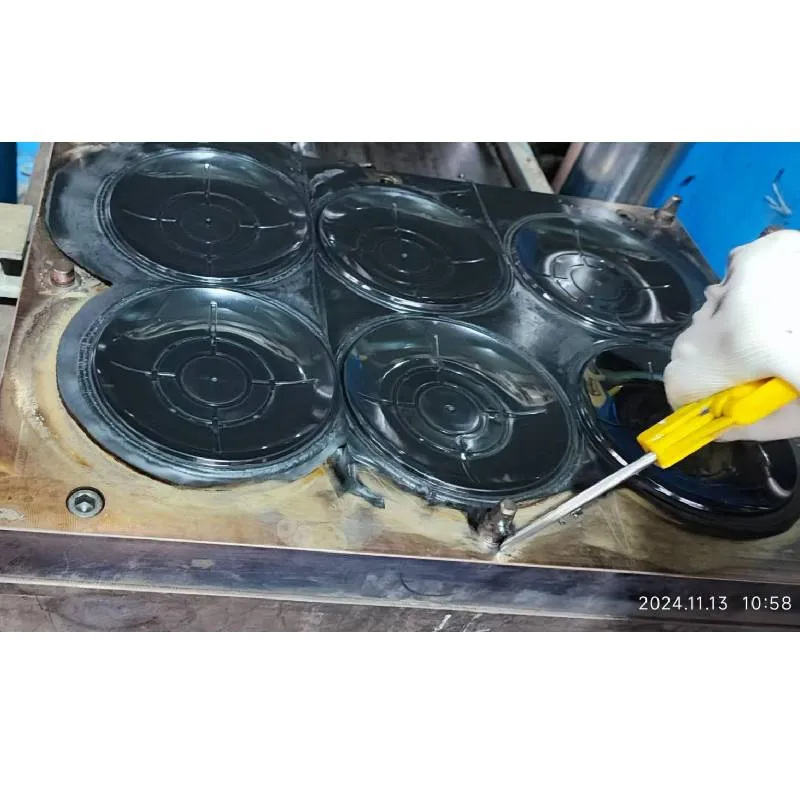
The primary material for stainless steel post caps is typically Grade 304 or Grade 316 stainless steel. Grade 304 offers excellent corrosion resistance in a wide range of atmospheric environments, owing to its chromium content (18-20%) which forms a passive protective layer. Grade 316 incorporates molybdenum (2-3%) enhancing resistance to chloride corrosion, making it suitable for coastal regions or environments exposed to de-icing salts. Raw material selection prioritizes adherence to ASTM A240 specifications. Manufacturing processes vary based on cap design and volume. Common methods include: (1) Stamping & Forming: Sheet metal is cut to shape and formed using dies. Parameter control focuses on maintaining precise dimensions and minimizing material thinning during forming. (2) Injection Molding (for plastic components integrated with stainless steel): While the cap itself is stainless steel, some designs incorporate plastic elements – typically UV stabilized polypropylene or ABS – requiring careful control of injection pressure, mold temperature, and cooling rates to prevent warping or delamination. (3) Welding (for fabricated caps): TIG (Tungsten Inert Gas) welding is often employed for joining stainless steel components, requiring skilled operators and strict adherence to AWS D1.1 standards to ensure weld integrity and prevent sensitization (chromium carbide precipitation, reducing corrosion resistance). Post-welding passivation treatment, using citric acid or nitric acid, is crucial to restore the passive chromium layer. (4) Machining: For intricate designs or tight tolerances, CNC machining is utilized. Cutting parameters, tool materials, and coolant selection significantly impact surface finish and dimensional accuracy. Proper surface finishing, such as polishing or brushing, further enhances corrosion resistance and aesthetics.
Performance & Engineering
Performance of stainless steel post caps is dictated by several engineering considerations. Load-Bearing Capacity: Caps must withstand potential impacts from weather elements (e.g., hail, falling branches) and accidental contact. Finite element analysis (FEA) is utilized during design to optimize cap geometry and material thickness to prevent deformation or fracture under anticipated loads. The primary failure mode under impact loading is yielding or plastic deformation. Environmental Resistance: Corrosion resistance, as discussed previously, is paramount. Electrochemical testing, including salt spray testing (ASTM B117), is employed to evaluate the cap’s resistance to chloride-induced pitting and crevice corrosion. UV Stability: If the cap includes a painted or powder-coated finish for aesthetic purposes, UV exposure can cause degradation of the coating, leading to fading, chalking, and loss of protective properties. Coatings must meet ASTM D4587 standards for weathering resistance. Thermal Expansion: Differential thermal expansion between the stainless steel cap and the post material (wood, steel, composite) must be considered to prevent stress buildup and potential cracking, especially in regions with large temperature fluctuations. Water Ingress Prevention: The cap’s design must effectively prevent water from pooling on the post surface or penetrating the post core, which can lead to rot (wood posts) or internal corrosion (steel posts). Sealant compatibility with the stainless steel and post material is critical.
Technical Specifications
| Material Grade | Post Size Compatibility (in.) | Wall Thickness (mm) | Finish |
|---|---|---|---|
| 304 Stainless Steel | 4x4 | 1.5 | Polished |
| 304 Stainless Steel | 6x6 | 2.0 | Brushed |
| 316 Stainless Steel | 4x4 | 1.5 | Powder Coated (Black) |
| 316 Stainless Steel | 6x6 | 2.0 | Electropolished |
| 304 Stainless Steel | 2x4 | 1.2 | Mill Finish |
| 316 Stainless Steel | 8x8 | 2.5 | Polished |
Failure Mode & Maintenance
Common failure modes for stainless steel post caps include: Corrosion: While stainless steel is corrosion-resistant, it's not impervious. Chloride attack (particularly in coastal environments) can lead to pitting corrosion and crevice corrosion, especially at welds. Mechanical Damage: Impacts from vehicles, equipment, or severe weather can cause denting, bending, or cracking. Fatigue Cracking: Repeated stress cycles (e.g., wind loading) can initiate fatigue cracks, particularly around stress concentrations like weld joints or sharp corners. Galvanic Corrosion: If the stainless steel cap is in contact with a dissimilar metal (e.g., aluminum) in the presence of an electrolyte (water), galvanic corrosion can occur, accelerating the corrosion of the less noble metal. Coating Degradation (if applicable): UV exposure, abrasion, and chemical exposure can degrade painted or powder-coated finishes. Maintenance Recommendations: Regular inspection for signs of corrosion, damage, or coating degradation is essential. Clean the caps periodically with a mild detergent and water to remove dirt and debris. For corrosion, passivation treatment may restore the protective chromium layer. Damaged caps should be replaced promptly to prevent further structural issues. Weld repairs require re-passivation. If galvanic corrosion is suspected, isolate the stainless steel cap from the dissimilar metal using a non-conductive barrier.
Industry FAQ
Q: What is the difference between 304 and 316 stainless steel for post caps, and when should I specify 316?
A: 304 stainless steel is a general-purpose alloy offering excellent corrosion resistance in most environments. 316 stainless steel contains molybdenum, which significantly enhances its resistance to chloride corrosion. Specify 316 for coastal applications, areas with heavy road salt use, or any environment with prolonged exposure to chlorides. The increased cost of 316 is justified in these corrosive environments to extend the service life of the post caps.
Q: How important is the wall thickness of the post cap, and what should I look for?
A: Wall thickness directly correlates to the cap’s structural integrity and resistance to impact damage. Thicker caps are generally more durable. A minimum wall thickness of 1.5mm is recommended for 4x4 posts, increasing to 2.0mm or 2.5mm for larger posts (6x6, 8x8). Verify that the specified wall thickness is consistent throughout the cap, including any formed edges or corners.
Q: What surface finishes are available, and how do they affect performance?
A: Common surface finishes include polished, brushed, mill finish, and powder coating. Polished finishes offer the highest corrosion resistance and aesthetic appeal but can show scratches more readily. Brushed finishes provide a balance of corrosion resistance and appearance. Mill finish is the least expensive but offers the lowest corrosion resistance. Powder coating provides a decorative finish and added protection, but its durability depends on the quality of the coating and UV resistance.
Q: How can I ensure a secure fit between the post cap and the post?
A: Precise dimensional accuracy is critical. Post caps should be manufactured with tight tolerances to ensure a snug fit. Some designs incorporate a slight interference fit to prevent loosening. Consider using a compatible sealant to fill any gaps and provide a watertight seal, preventing water ingress. Ensure the post end is square and free of debris before installing the cap.
Q: What are the common causes of premature failure in stainless steel post caps?
A: Premature failure is often linked to improper material selection (using 304 in a highly corrosive environment), inadequate wall thickness, poor welding quality, or lack of maintenance. Chloride-induced corrosion is a significant concern. Mechanical damage from impacts and fatigue cracking can also contribute to failure. Regular inspection and preventative maintenance can significantly extend the service life.
Conclusion
Stainless steel post caps represent a vital component in the longevity and aesthetic appeal of fencing and railing systems. The selection of appropriate material grades (304 or 316), coupled with robust manufacturing processes and attention to detail in surface finishing, is paramount. Understanding the potential failure modes – primarily corrosion, mechanical damage, and coating degradation – allows for proactive maintenance and ensures optimal performance.
The trend towards increased durability and reduced lifecycle costs in construction will continue to drive demand for high-quality stainless steel post caps. Future developments may focus on innovative cap designs that incorporate improved water shedding capabilities, enhanced impact resistance, and more durable coatings. Adherence to industry standards and rigorous quality control remain essential for delivering reliable and long-lasting products.