
Introduction
The 1 ½ inch PVC pipe elbow is a crucial component in thermoplastic piping systems, facilitating directional changes in fluid conveyance. Positioned within the broader network of plumbing, drainage, and industrial process piping, its primary function is to connect two pipes at an angle, typically 90 or 45 degrees, ensuring minimal flow restriction and structural integrity. The core performance characteristics of a PVC elbow are defined by its pressure rating, dimensional accuracy, chemical resistance, and adherence to relevant industry standards. Its prevalence stems from the material's cost-effectiveness, ease of installation, and resistance to corrosion in many applications, although limitations exist in high-temperature or high-stress scenarios. The industry faces ongoing challenges related to material consistency, long-term creep resistance, and the environmental impact of PVC production and disposal, driving innovation in PVC formulations and recycling processes.
Material Science & Manufacturing
The primary raw material for a 1 ½ inch PVC pipe elbow is Polyvinyl Chloride (PVC) resin, typically suspension PVC (S-PVC) chosen for its balance of properties. Additives are crucial; these include impact modifiers like chlorinated polyethylene (CPE) to enhance toughness, heat stabilizers (often metal-based, like calcium-zinc or lead-based, though the latter is increasingly restricted) to prevent thermal degradation during processing, lubricants to aid flow, and pigments for color. The resin exhibits amorphous characteristics, resulting in inherent rigidity but also susceptibility to creep under sustained stress. Its tensile strength ranges from 55-75 MPa, and its flexural modulus is typically 3-4 GPa. Chemical compatibility is excellent with most acids and bases, but poor with aromatic and chlorinated hydrocarbons.
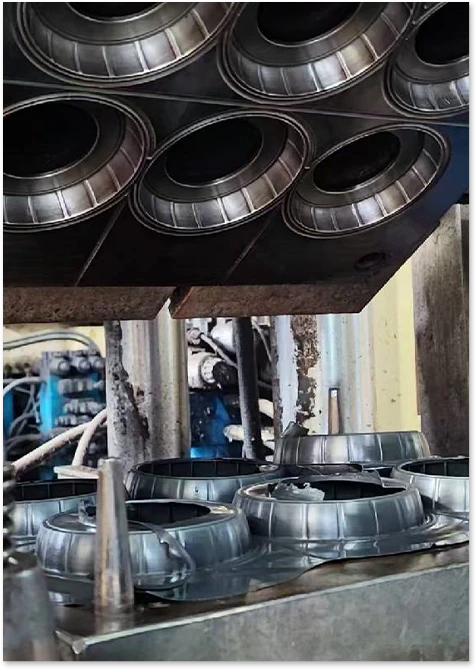
Manufacturing typically employs injection molding. PVC granules are plasticized through heating and shearing in an injection molding machine. Key parameters include melt temperature (180-200°C), mold temperature (30-50°C), injection pressure (60-90 MPa), and cooling rate. Precise control of these parameters is essential to prevent weld lines, voids, and dimensional inaccuracies. Variations include extrusion followed by forming, but injection molding provides superior dimensional control for elbows. Post-molding operations include deburring, quality inspection (visual and dimensional), and potential surface treatment (e.g., silkscreening for marking).
Performance & Engineering
The performance of a 1 ½ inch PVC pipe elbow is critically linked to its ability to withstand internal pressure and external loads. Force analysis considers hoop stress induced by internal pressure, calculated using the Barlow’s formula (σ = PD/2t, where P is pressure, D is diameter, and t is wall thickness). The elbow's geometry introduces stress concentrations at the bend, making wall thickness a crucial design parameter. Environmental resistance is primarily focused on UV degradation and temperature effects. Prolonged exposure to UV radiation causes discoloration and embrittlement; UV stabilizers are incorporated to mitigate this. PVC’s glass transition temperature (Tg) is around 80°C; performance degrades significantly above this temperature.
Compliance requirements vary by region and application. For potable water systems, the elbow must comply with NSF/ANSI 61, ensuring no harmful contaminants leach into the water. For drainage, waste, and vent (DWV) applications, ASTM D2661 is relevant, outlining standards for schedule 40 and schedule 80 PVC fittings. For industrial applications involving corrosive fluids, adherence to ASTM F477 and specific chemical compatibility guidelines is essential. Finite Element Analysis (FEA) is frequently used in engineering designs to optimize elbow geometry and ensure structural integrity under anticipated operating conditions.
Technical Specifications
| Nominal Pipe Size (inches) | Schedule Number | Inner Diameter (ID) (inches) | Outer Diameter (OD) (inches) |
|---|---|---|---|
| 1 ½ | 40 | 1.610 | 2.375 |
| 1 ½ | 80 | 1.500 | 2.625 |
| 1 ½ | 120 | 1.380 | 2.875 |
| 1 ½ | XXH (170) | 1.250 | 3.125 |
| 1 ½ | Pressure Rating (PSI) @ 73°F | 40 | 80 |
| 1 ½ | Maximum Operating Temperature (°F) | 140 | 100 |
Failure Mode & Maintenance
Common failure modes for 1 ½ inch PVC pipe elbows include brittle fracture due to impact, particularly at low temperatures; creep rupture under sustained pressure and temperature; and chemical degradation from incompatible fluids. Fatigue cracking can occur in systems subject to vibration or cyclic pressure fluctuations. UV degradation leads to surface crazing and a reduction in impact resistance. Joint failure can occur due to improper solvent cementing (insufficient solvent, improper application technique, or contaminated surfaces).
Preventative maintenance includes regular visual inspection for cracks, discoloration, or deformation. Checking solvent-cemented joints for leaks is crucial. Protecting exposed elbows from direct sunlight with paint or shielding can mitigate UV degradation. For systems handling corrosive fluids, periodic inspection of wall thickness using ultrasonic testing is recommended. Should an elbow fail, replacement is typically the only viable solution; PVC is not readily repairable. Proper storage of PVC fittings (protected from sunlight and extreme temperatures) is essential to prevent premature degradation before installation.
Industry FAQ
Q: What is the impact of different PVC formulations (e.g., CPVC) on elbow performance?
A: CPVC (Chlorinated Polyvinyl Chloride) offers significantly higher temperature resistance (up to 200°F) and improved impact strength compared to standard PVC. CPVC elbows are suitable for hot water distribution and industrial applications where higher temperatures are encountered. However, CPVC is typically more expensive and requires specialized solvent cements. The chemical resistance profiles differ slightly; CPVC generally exhibits better resistance to chlorinated solvents.
Q: How does the schedule number (40, 80, 120) affect the pressure rating and cost of the elbow?
A: Higher schedule numbers indicate thicker wall thicknesses, directly correlating to increased pressure ratings. Schedule 80 elbows can withstand significantly higher pressures than Schedule 40 elbows. However, the increased material cost and weight lead to a higher price point. Schedule 120 is typically used in high-pressure industrial applications.
Q: What are the best practices for solvent cementing PVC elbows to ensure a leak-proof joint?
A: Proper surface preparation is paramount – surfaces must be clean, dry, and free of grease or debris. Use a primer specifically designed for PVC, followed by a generous, even application of solvent cement. Ensure complete wetting of both surfaces and a firm, immediate connection. Avoid excessive cement, which can weaken the joint. Allow sufficient curing time (typically 24 hours) before pressure testing.
Q: What are the environmental concerns related to PVC elbows, and what alternatives are available?
A: PVC production releases dioxins and requires fossil fuel resources. PVC is not readily biodegradable. Alternatives include polyethylene (PE), polypropylene (PP), and CPVC, each with its own advantages and disadvantages regarding cost, performance, and environmental impact. Research into bio-based plastics and PVC recycling technologies is ongoing.
Q: How do I determine the correct elbow angle (90 or 45 degrees) for my application?
A: The elbow angle is determined by the required change in flow direction. A 90-degree elbow provides a sharp turn, while a 45-degree elbow offers a more gradual redirection, reducing flow turbulence and pressure drop. Consider the overall piping layout and the space constraints when selecting the appropriate angle.
Conclusion
The 1 ½ inch PVC pipe elbow remains a cornerstone of modern piping systems, prized for its balance of cost, performance, and ease of installation. However, understanding its material properties, manufacturing nuances, and potential failure modes is crucial for ensuring long-term reliability and safety. Careful consideration of operating conditions, adherence to relevant industry standards, and proper installation techniques are paramount.
Future advancements in PVC formulations, including the development of more sustainable materials and improved UV resistance, will further enhance the longevity and environmental profile of these essential components. Continued research into optimized joining techniques and predictive failure analysis will also contribute to improved system performance and reduced maintenance costs.