
Introduction
The 1/2” polypropylene 90-degree elbow is a crucial component in thermoplastic piping systems, primarily utilized for fluid and gas conveyance in a diverse range of applications, including plumbing, irrigation, chemical processing, and industrial cooling. Its function is to facilitate a 90-degree change in pipe direction, maintaining flow integrity with minimal pressure drop. Polypropylene (PP) elbows offer advantages over metallic alternatives – notably corrosion resistance, lightweight characteristics, and lower installation costs. This guide provides a comprehensive technical analysis of these elbows, covering material science, manufacturing processes, performance characteristics, potential failure modes, and relevant industry standards. Understanding these aspects is vital for engineers, procurement managers, and maintenance personnel involved in system design, installation, and long-term operational reliability. The performance of these elbows is intrinsically linked to the quality of the polypropylene resin and the precision of the manufacturing process.
Material Science & Manufacturing
Polypropylene, the primary material for these elbows, is a thermoplastic polymer produced through the polymerization of propylene monomer. The most common grade used is PP-R (Polypropylene Random Copolymer), characterized by its enhanced impact resistance and flexibility compared to homopolymer PP. PP-R typically exhibits a density between 0.905 – 0.92 g/cm³, a tensile strength of 20-30 MPa, and a flexural modulus of 800-1200 MPa. Critical properties influencing elbow performance include the Melt Flow Index (MFI), which dictates processability during manufacturing; the Vicat softening temperature, indicating thermal stability; and the Hydrostatic Stress Resistance (HSR), essential for pressure containment.
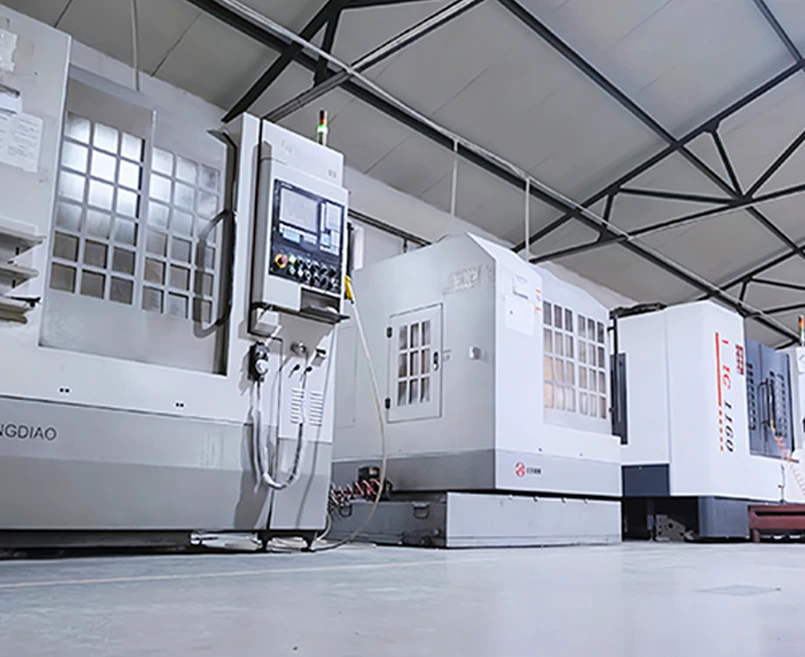
Manufacturing typically employs injection molding. Polypropylene resin is heated to a molten state (around 230-260°C) and injected under high pressure into a precisely machined mold cavity. Key parameters controlled during injection molding include melt temperature, mold temperature (typically 30-50°C), injection pressure (15-25 MPa), and cooling time. Improper control can lead to defects such as weld lines, sink marks, and warpage, compromising structural integrity. Post-molding, elbows undergo quality control checks, including dimensional accuracy assessments using coordinate measuring machines (CMMs) and visual inspection for surface flaws. Socket fusion welding is the standard joining technique for PP elbows, requiring both the elbow and pipe surfaces to be heated and fused together, creating a homogenous joint. The temperature and pressure applied during socket fusion are critical; insufficient heat causes incomplete fusion, while excessive heat leads to material degradation.
Performance & Engineering
The performance of a 1/2” polypropylene 90-degree elbow is fundamentally governed by its ability to withstand internal pressure and external loads without failure. Force analysis considers hoop stress, which arises from internal pressure acting on the pipe wall, and bending stress induced by the change in direction. The elbow's geometry—radius of curvature and wall thickness—significantly influence stress distribution. A larger radius of curvature minimizes bending stress concentration. The wall thickness must be sufficient to resist both hoop stress and bending stress, factoring in a safety factor to account for uncertainties in material properties and operating conditions.
Environmental resistance is crucial. Polypropylene exhibits good resistance to many chemicals, including acids, bases, and salts, making it suitable for diverse industrial applications. However, it is susceptible to degradation from prolonged exposure to UV radiation, which causes chain scission and embrittlement. Therefore, outdoor applications require UV stabilizers in the PP formulation or protective shielding. Temperature plays a significant role; PP-R elbows generally maintain their mechanical properties up to around 60-70°C. Higher temperatures reduce the yield strength and creep resistance, potentially leading to deformation or failure. Compliance requirements vary by region and application. For potable water systems, elbows must comply with standards ensuring the absence of harmful leachables. Industrial applications may necessitate compliance with pressure vessel codes or industry-specific standards for chemical compatibility.
Technical Specifications
| Parameter | Unit | Typical Value (1/2" PP-R Elbow) | Test Standard |
|---|---|---|---|
| Nominal Size | inch | 1/2 | ASTM D2467 |
| Material | - | Polypropylene Random Copolymer (PP-R) | ISO 15874 |
| Pressure Rating | bar | PN20 (2.0 MPa) | DIN 8077/8078 |
| Wall Thickness | mm | 2.3 | ISO 15874 |
| Burst Pressure | bar | 60 | ISO 15874 |
| Operating Temperature Range | °C | -20 to 70 | ASTM D1598 |
Failure Mode & Maintenance
Several failure modes can affect the service life of 1/2” polypropylene 90-degree elbows. Fatigue cracking can occur under cyclical pressure loading, particularly near the weld joints or areas of stress concentration. Creep rupture is a concern at elevated temperatures over extended periods, where the material slowly deforms under constant stress. Chemical attack by incompatible fluids can cause swelling, cracking, or dissolution of the polypropylene. UV degradation, as previously mentioned, leads to embrittlement and reduced impact resistance. Thermal stress resulting from rapid temperature changes can induce cracking, especially in thick-walled elbows. Hydrostatic fatigue occurs in systems with repeated pressure fluctuations.
Preventive maintenance involves regular visual inspections for cracks, discoloration, or deformation. Periodic pressure testing can identify leaks or weaknesses in the system. Proper support and anchoring of piping are crucial to minimize stress on the elbows. Avoid exposing the elbows to direct sunlight or harsh chemicals. If damage is detected, the elbow should be replaced immediately. Socket fusion welding repairs are generally not recommended due to the difficulty of achieving consistent weld quality and the potential for introducing new stress concentrations. Ensure that welding equipment is calibrated and operators are properly trained. Maintaining a record of installation dates, operating conditions, and inspection findings is essential for proactive maintenance planning.
Industry FAQ
Q: What is the long-term hydrostatic stress resistance (HSR) of PP-R elbows, and how does it relate to service life?
A: Long-term HSR, determined according to ISO 11671, is a critical indicator of an elbow's ability to withstand sustained pressure over its expected lifespan. PP-R elbows typically exhibit HSR values exceeding 10 MPa at 70°C for 50 years. Lower HSR values indicate a higher probability of creep rupture over time. The relationship is exponential; a small reduction in HSR can significantly reduce the predicted service life.
Q: How does the radius of curvature in a 90-degree elbow affect pressure drop and stress concentration?
A: A larger radius of curvature minimizes both pressure drop and stress concentration. A sharper bend creates greater turbulence, increasing frictional losses and pressure drop. The increased curvature also concentrates bending stress at the elbow's outer wall, making it more susceptible to fatigue cracking. A longer radius distributes the stress over a larger area, reducing the peak stress level.
Q: What are the key differences between PP-R, PP-H, and PVC elbows, and when would you choose one over the others?
A: PP-R (Random Copolymer) offers superior impact resistance and flexibility, making it suitable for general plumbing and heating applications. PP-H (Homopolymer) has higher tensile strength and temperature resistance, ideal for industrial processes involving higher temperatures and pressures. PVC (Polyvinyl Chloride) is less expensive but exhibits lower temperature resistance and impact strength. PP-R is preferred for potable water due to its hygienic properties; PP-H is chosen for demanding industrial environments; PVC is suitable for drainage and irrigation where high temperatures aren’t a concern.
Q: What is the impact of improper socket fusion welding on the performance of PP-R elbows?
A: Improper socket fusion welding is a primary cause of elbow failure. Insufficient heat results in an incomplete fusion, creating a weak joint prone to leaking or separation. Excessive heat causes material degradation, reducing the weld’s strength and chemical resistance. Incorrect alignment or inadequate fusion pressure also compromise joint integrity. Proper training, calibrated equipment, and adherence to manufacturer’s guidelines are essential.
Q: How can UV exposure be mitigated for outdoor applications of polypropylene elbows?
A: UV exposure can be mitigated by incorporating UV stabilizers into the polypropylene formulation during manufacturing. Alternatively, elbows can be shielded from direct sunlight using protective coatings, enclosures, or by installing them in shaded locations. Regular inspection for signs of UV degradation (discoloration, cracking) is also important, and severely degraded elbows should be replaced.
Conclusion
The 1/2” polypropylene 90-degree elbow represents a reliable and cost-effective solution for fluid conveyance in various applications. Its performance is intrinsically linked to the properties of the PP-R material – including impact resistance, chemical compatibility and hydrostatic stress resistance – and the precision of the injection molding and socket fusion welding processes. Understanding potential failure modes, such as fatigue cracking, creep rupture and UV degradation, is critical for ensuring long-term system integrity and minimizing maintenance costs.
Future advancements in polypropylene formulations, including the development of enhanced UV stabilizers and increased HSR materials, will further improve the durability and service life of these elbows. Implementation of rigorous quality control procedures throughout the manufacturing process, coupled with adherence to relevant international standards and best practices in installation and maintenance, will continue to optimize the performance and reliability of polypropylene piping systems. Proper material selection, engineering design, and ongoing monitoring are essential for maximizing the return on investment in these critical components.