
Introduction
The 10-inch PVC pipe 90-degree elbow is a critical component in fluid conveyance systems across a wide spectrum of industries, including water distribution, irrigation, chemical processing, and wastewater management. Positioned within the piping network, it facilitates directional changes in pipeline routing, minimizing flow restriction when appropriately specified and installed. Its function extends beyond simple direction; it provides a structural integrity point connecting pipe segments and distributing stresses generated by internal pressure and external loads. The performance characteristics of this elbow, defined by its pressure rating, material composition, and dimensional accuracy, directly impact the overall efficiency and reliability of the entire piping system. Key performance indicators include its ability to maintain flow rate with minimal head loss, resist chemical degradation, and withstand sustained hydrostatic pressure as defined by governing standards. This guide provides a comprehensive technical overview of 10-inch PVC elbows, encompassing material science, manufacturing processes, performance engineering, failure modes, and relevant industry standards.
Material Science & Manufacturing
The primary material for 10-inch PVC 90-degree elbows is Polyvinyl Chloride (PVC), specifically a rigid PVC compound formulated for pressure applications. This PVC comprises a homopolymer resin combined with stabilizers, lubricants, and impact modifiers. The PVC resin itself is produced through the polymerization of vinyl chloride monomer (VCM). Critical material properties include a high tensile strength (typically 6,000-10,000 psi), a flexural modulus (around 400,000 psi), and a relatively low coefficient of thermal expansion. Impact modifiers, such as methyl methacrylate-butadiene-styrene (MBS), enhance toughness and resistance to brittle fracture, particularly at low temperatures. Stabilizers, predominantly metal-based (e.g., tin or calcium-zinc), are essential to prevent thermal degradation during processing and service.
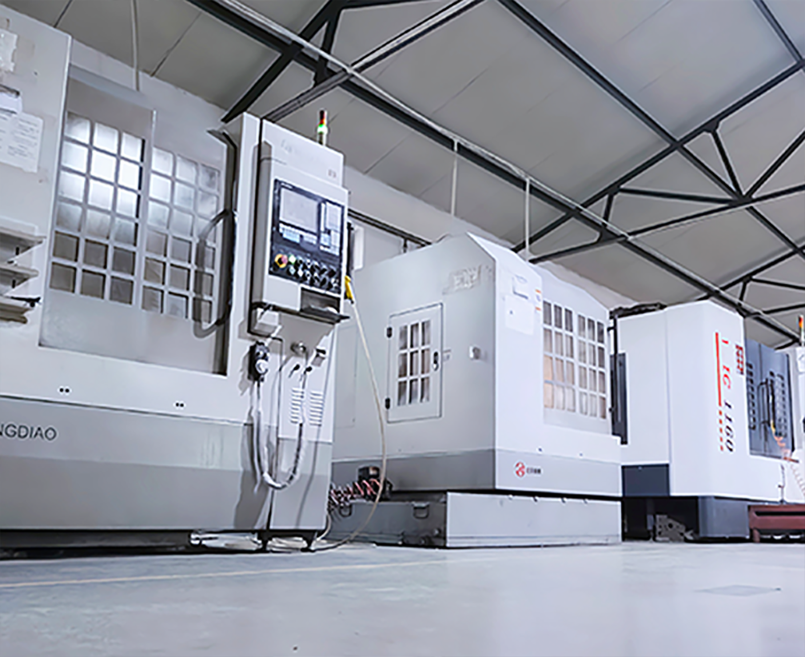
Manufacturing typically involves injection molding. PVC compound is fed into a heated barrel, melted, and injected under high pressure into a precisely engineered mold cavity shaped as the 90-degree elbow. Key parameters controlled during injection molding include melt temperature (typically 380-400°F), mold temperature (70-90°F), injection pressure (up to 10,000 psi), and cooling time. Precise temperature control is crucial to avoid material degradation and ensure complete mold filling. Following molding, elbows are often tested for dimensional accuracy, pressure resistance, and impact strength. Some manufacturers employ extrusion followed by compression forming for larger diameter elbows, however injection molding is more common for 10-inch diameters due to its ability to produce complex geometries with high precision. Post-molding processes may include deburring and surface finishing to ensure smooth flow and proper gasket seating.
Performance & Engineering
The performance of a 10-inch PVC elbow is primarily governed by its ability to withstand internal hydrostatic pressure and resist external loads. Hydrostatic pressure testing, conducted in accordance with ASTM D2412, verifies the elbow’s burst pressure, which typically exceeds the specified working pressure by a significant margin (e.g., a 4-inch Schedule 40 PVC elbow may have a working pressure of 300 psi, but a burst pressure of over 900 psi). Force analysis focuses on hoop stress induced by internal pressure, which is directly related to the pipe diameter, wall thickness (schedule), and internal pressure. Finite Element Analysis (FEA) is frequently employed to model stress distribution and identify potential weak points in the elbow geometry.
Environmental resistance is also critical. PVC exhibits good resistance to many acids, bases, and salts, but prolonged exposure to certain solvents (e.g., ketones, aromatic hydrocarbons) can cause swelling and degradation. UV degradation is another concern, particularly for outdoor applications. UV stabilizers are incorporated into the PVC compound to mitigate this effect, but long-term exposure may still necessitate protective coatings or burial. Compliance with industry standards (detailed in the footer) ensures that elbows meet minimum performance criteria for pressure rating, dimensional accuracy, and material properties. Furthermore, installation practices – proper solvent cementing, adequate support, and avoidance of excessive bending moments – are essential to maintain structural integrity and prevent premature failure.
Technical Specifications
| Parameter | Schedule 40 | Schedule 80 | ASTM D1785 Specification |
|---|---|---|---|
| Nominal Pipe Size (inches) | 10 | 10 | 10 |
| Outside Diameter (inches) | 10.75 | 10.75 | 10.75 |
| Wall Thickness (inches) | 0.154 | 0.218 | Varies by Schedule |
| Pressure Rating @ 73°F (psi) | 300 | 600 | Dependent on Schedule & Temperature |
| Weight per Elbow (lbs - approx.) | 8.5 | 12.0 | Varies with Manufacturing Tolerances |
| Material | Rigid PVC (Type I, Grade 1) | Rigid PVC (Type I, Grade 1) | PVC per ASTM D1785 |
Failure Mode & Maintenance
Common failure modes for 10-inch PVC elbows include cracking due to overpressure, impact damage, chemical attack, and UV degradation. Fatigue cracking can occur under cyclic pressure loading, especially if the elbow is subjected to excessive vibration or bending moments. Chemical attack typically manifests as swelling, softening, or crazing of the PVC material. UV degradation causes embrittlement and discoloration, reducing impact resistance. A critical failure mode is solvent cement joint failure, often resulting from improper surface preparation, inadequate cement application, or use of incompatible solvents.
Preventive maintenance involves regular visual inspections for cracks, discoloration, or signs of chemical attack. Periodic hydrostatic testing can verify the elbow’s continued pressure-holding capability. For outdoor applications, protective coatings or burial are recommended to minimize UV exposure. If damage is detected, the elbow should be replaced immediately. Proper installation, including correct solvent cementing techniques and adequate support, is the most effective form of maintenance. When replacing an elbow, ensure compatibility of the new component with the existing piping system in terms of pressure rating, material grade, and dimensions. Periodic assessment of support structures is also crucial; sagging pipes put undue stress on elbows.
Industry FAQ
Q: What is the impact of temperature on the pressure rating of a 10-inch PVC elbow?
A: The pressure rating of PVC elbows decreases with increasing temperature. PVC loses strength and stiffness as temperature rises, reducing its ability to withstand internal pressure. ASTM D1785 provides derating factors for different temperatures. For example, a Schedule 40 elbow rated at 300 psi at 73°F may have a significantly reduced pressure rating at 140°F. It is crucial to consult the manufacturer’s specifications and relevant standards for accurate derating factors.
Q: How does the choice of solvent cement affect the long-term performance of an elbow joint?
A: The correct solvent cement is critical for a durable joint. Using an incompatible cement can lead to a weak bond, eventual joint failure, and leaks. It’s vital to use a cement specifically formulated for PVC pipe and fittings, and to follow the manufacturer's instructions precisely, including proper surface preparation (cleaning and priming) and adequate curing time. The cement’s chemical composition must be compatible with the PVC formulation to ensure proper solvent welding.
Q: What is the significance of the "Schedule" number (e.g., Schedule 40, Schedule 80)?
A: The "Schedule" number indicates the wall thickness of the PVC pipe and fitting. Higher Schedule numbers correspond to thicker walls and therefore higher pressure ratings. Schedule 80 elbows have a thicker wall than Schedule 40 elbows and can withstand higher internal pressures. Selecting the appropriate Schedule depends on the system's operating pressure, fluid temperature, and any external loads.
Q: Can PVC elbows be used in buried applications, and what precautions should be taken?
A: Yes, PVC elbows are commonly used in buried applications, but several precautions are necessary. Ensure the surrounding soil is properly compacted to provide adequate support and prevent deformation of the elbow. Consider potential soil corrosion or chemical contamination that could affect the PVC material. Protective coatings or the use of cathodic protection may be necessary in corrosive environments. Additionally, proper backfill material should be used to avoid stress concentration.
Q: What are the key differences between ASTM D1785 and ASTM D2412 standards in relation to PVC elbows?
A: ASTM D1785 specifies the requirements for PVC pipe and fittings, including material properties, dimensions, and markings. It defines the PVC compound characteristics, ensuring consistent quality. ASTM D2412 outlines the procedure for hydrostatic testing of plastic pipe and fittings, verifying their ability to withstand internal pressure. D2412 is a testing standard; D1785 is a material specification.
Conclusion
The 10-inch PVC pipe 90-degree elbow is a fundamental component in numerous fluid handling systems, demanding careful consideration of material science, manufacturing quality, and engineering principles. The selection of appropriate schedules, the utilization of compatible solvent cements, and adherence to relevant industry standards like ASTM D1785 and D2412 are paramount to ensuring long-term reliability and preventing premature failure.
Proper installation practices, including adequate support, correct alignment, and prevention of stress concentration, are equally critical. Regular inspections and preventative maintenance, focusing on identifying signs of degradation or damage, further contribute to maximizing the service life and minimizing the risk of costly downtime. Understanding the potential failure modes and implementing proactive measures will optimize system performance and maintain operational integrity.