
Introduction
The 2-inch Polyvinyl Chloride (PVC) pipe elbow is a crucial component in fluid conveyance systems, serving to change the direction of flow in piping. It is a short-radius 90-degree fitting commonly employed in residential, commercial, and industrial applications, including plumbing, irrigation, chemical processing, and wastewater management. Positioned within the broader piping system, its function dictates the efficiency and reliability of the entire network. Core performance metrics include pressure rating, flow resistance, and chemical compatibility. The inherent corrosion resistance of PVC makes it a preferable alternative to metallic elbows in many environments, leading to reduced maintenance costs and extended service life. Understanding its material properties, manufacturing processes, and potential failure modes is paramount for effective system design and long-term operational integrity.
Material Science & Manufacturing
The primary material for 2-inch PVC pipe elbows is Polyvinyl Chloride (PVC), a thermoplastic polymer produced through the polymerization of vinyl chloride monomer. PVC resin exhibits excellent chemical resistance, low flammability, and good mechanical strength. Additives such as stabilizers (typically calcium-zinc or lead-based compounds – though lead is increasingly restricted due to environmental concerns), lubricants, and impact modifiers are incorporated during compounding to enhance processing characteristics and end-use performance. The molecular weight and degree of polymerization influence the final material's strength and flexibility.
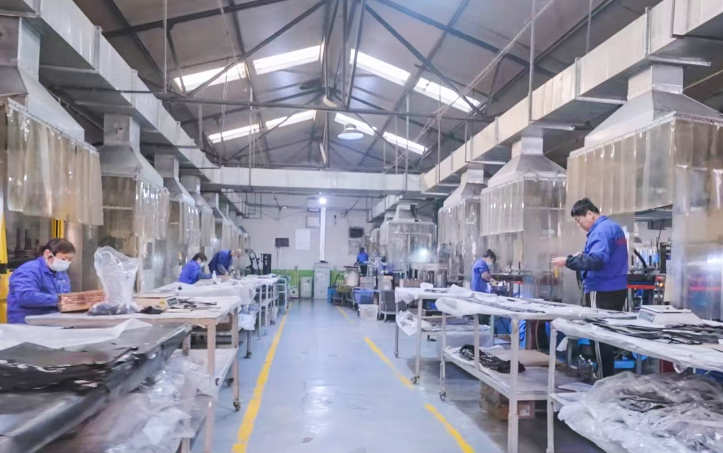
Manufacturing typically involves injection molding. PVC resin and additives are blended and fed into an injection molding machine. The material is heated to a plastic state and then injected under high pressure into a precisely engineered mold cavity. Cooling is crucial, often employing circulating water within the mold to control the solidification process. Key parameters controlled during injection molding include melt temperature (typically 180-210°C), mold temperature (30-60°C), injection pressure (500-1000 bar), and cooling time. Improper control can lead to defects like sink marks, warpage, and weld lines. Post-molding, elbows are often inspected for dimensional accuracy, surface finish, and structural integrity. Extrusion followed by cutting and forming is also employed, particularly for larger diameter elbows, offering cost advantages for high-volume production. The choice between injection molding and extrusion depends on production volume, desired precision, and overall cost considerations.
Performance & Engineering
The performance of a 2-inch PVC pipe elbow is primarily governed by its ability to withstand internal pressure and resist environmental stress. Force analysis focuses on hoop stress generated by internal fluid pressure. The elbow wall thickness is a critical design parameter; thicker walls provide greater pressure-handling capacity but increase material costs. Bernoulli's principle dictates that the change in flow direction introduces a pressure drop, quantified by the minor loss coefficient (K-factor). The K-factor for a 90-degree elbow typically ranges from 0.75 to 1.0, depending on the radius of curvature.
Environmental resistance is crucial. PVC exhibits good resistance to many acids, bases, and salts, but is susceptible to degradation from prolonged exposure to ultraviolet (UV) radiation, causing discoloration and embrittlement. The addition of UV stabilizers during compounding mitigates this effect. Temperature also plays a role; PVC's mechanical properties degrade at elevated temperatures (above 60°C). Chemical compatibility must be carefully considered based on the conveyed fluid. Prolonged exposure to aromatic hydrocarbons or chlorinated solvents can cause swelling and cracking. Compliance requirements, such as NSF/ANSI 61 for potable water systems and ASTM D1785 for PVC pipe, dictate material specifications and testing procedures to ensure safety and reliability. Installation practices, including proper solvent cementing and support, significantly impact long-term performance. Incorrectly cemented joints are a common point of failure.
Technical Specifications
| Parameter | Units | Typical Value | Test Standard |
|---|---|---|---|
| Nominal Pipe Size | inches | 2 | ASTM D1785 |
| Pressure Rating | psi | 200-300 (Schedule 40/80) | ASTM D2412 |
| Wall Thickness (Schedule 40) | inches | 0.133 | ASTM D2412 |
| Wall Thickness (Schedule 80) | inches | 0.179 | ASTM D2412 |
| Material | - | PVC (Polyvinyl Chloride) | ASTM D1785 |
| Impact Strength (Izod Notched) | ft-lb/in | 5-10 | ASTM D256 |
Failure Mode & Maintenance
Common failure modes for 2-inch PVC pipe elbows include cracking due to excessive stress, particularly during freeze-thaw cycles; degradation from UV exposure, resulting in embrittlement and loss of impact resistance; chemical attack leading to swelling, blistering, or dissolution; and joint failure due to improper solvent cementing or mechanical stress. Fatigue cracking can occur under cyclical pressure loading, especially at stress concentrators like weld lines or areas of geometric discontinuity. Delamination can occur in lower quality elbows due to insufficient material bonding during molding. Oxidation, though slow, can contribute to long-term material degradation.
Preventive maintenance involves regular visual inspections for cracks, discoloration, or signs of deterioration. Joints should be checked for leaks. Protection from direct sunlight through painting or shielding can extend service life. In applications involving fluctuating temperatures, insulation can mitigate thermal stress. If a crack is detected, the elbow should be replaced immediately. For minor surface degradation, a PVC repair compound can provide a temporary solution, but full replacement is recommended for significant damage. Proper installation, following manufacturer’s guidelines for solvent cementing and support, is crucial to prevent premature failure. Storage of PVC elbows should be in a cool, dry place, away from direct sunlight and incompatible chemicals.
Industry FAQ
Q: What is the impact of water hammer on the longevity of PVC elbows?
A: Water hammer, or pressure surge, can significantly reduce the lifespan of PVC elbows. The sudden increase in pressure creates stress waves that can induce cracking, especially at joints. Mitigation strategies include installing water hammer arrestors, ensuring proper pipe anchoring, and controlling valve closing speeds.
Q: How does the schedule number (e.g., Schedule 40 vs. Schedule 80) affect the elbow’s performance?
A: The schedule number denotes the wall thickness. Schedule 80 elbows have thicker walls and therefore higher pressure ratings compared to Schedule 40 elbows. While more robust, Schedule 80 elbows are also more expensive and heavier.
Q: What type of solvent cement is recommended for joining 2-inch PVC elbows?
A: A solvent cement specifically formulated for PVC, meeting ASTM D2564 standards, is essential. The cement should be compatible with the PVC resin used in the elbow and pipe. Primer application is crucial to soften the PVC surface and ensure a strong, permanent bond. Avoid using cements not specifically designed for PVC.
Q: Are PVC elbows suitable for use in underground applications where soil conditions are corrosive?
A: While PVC is generally corrosion-resistant, prolonged exposure to corrosive soils can lead to degradation. Consider using a protective sleeve or coating on the elbow, or exploring alternative materials like HDPE (High-Density Polyethylene) which offer superior resistance in highly corrosive environments.
Q: What are the implications of using lead-based stabilizers in PVC elbows, and are there alternatives?
A: Lead-based stabilizers, while effective, pose environmental and health risks. Increasingly, manufacturers are transitioning to calcium-zinc-based stabilizers, which are less toxic but may slightly reduce thermal stability. Regulatory restrictions on lead content are becoming more stringent globally.
Conclusion
The 2-inch PVC pipe elbow represents a critical, yet often overlooked, component in many fluid handling systems. Its seemingly simple design belies a complex interplay of material science, manufacturing precision, and engineering considerations. A thorough understanding of PVC’s properties, coupled with adherence to established standards and best practices in installation and maintenance, is paramount to ensuring long-term system reliability and preventing costly failures. Proper selection based on pressure requirements, chemical compatibility, and environmental conditions is essential for optimal performance.
Future development will likely focus on enhancing PVC formulations with improved UV resistance, impact strength, and thermal stability. The increasing adoption of sustainable materials and processes will also drive innovation in PVC manufacturing, potentially leading to the use of bio-based feedstocks and recycled content. Continuous monitoring and adherence to evolving industry standards will remain crucial for maintaining the integrity and performance of PVC piping systems.