
Introduction
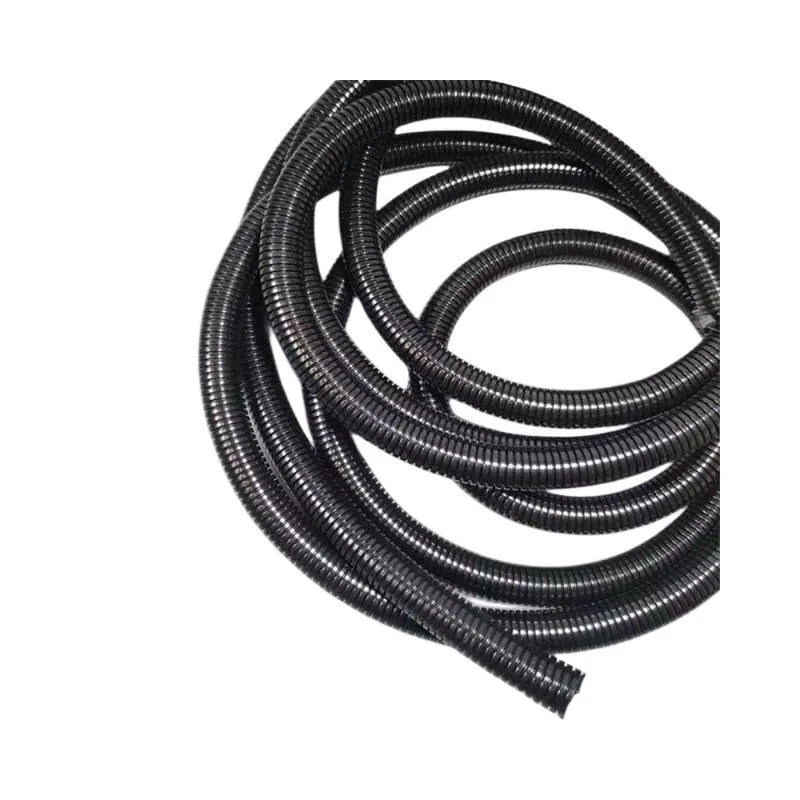
36-inch corrugated plastic pipe (CPP), typically constructed from polyethylene (PE) or polypropylene (PP), represents a prevalent solution in subsurface drainage, stormwater management, and industrial applications. Its technical position within the broader infrastructure chain lies as a cost-effective alternative to traditional concrete or metal piping, offering a favorable strength-to-weight ratio and ease of installation. Core performance characteristics center around hydraulic capacity, load-bearing strength, and long-term durability in corrosive environments. The increasing demand for CPP is driven by its lightweight nature, reducing transportation and installation costs, and its inherent resistance to many chemicals commonly found in soil and wastewater. However, proper material selection, installation techniques, and understanding of load distribution are crucial to prevent premature failure. This guide provides an in-depth technical analysis of 36-inch CPP, covering material science, manufacturing processes, performance engineering, potential failure modes, and relevant industry standards.
Material Science & Manufacturing
The primary raw materials for 36-inch CPP are PE (High-Density Polyethylene – HDPE, Low-Density Polyethylene – LDPE) and PP. HDPE is favored for its superior ring stiffness and tensile strength, crucial for withstanding external loads. PP offers good chemical resistance and cost-effectiveness but generally exhibits lower impact resistance than HDPE. The manufacturing process typically involves extrusion. Resin pellets are fed into an extruder, melted, and forced through a circular die to form a continuous pipe profile. The corrugated profile is created using a series of rollers that shape the molten plastic as it exits the die. Critical parameters during extrusion include melt temperature, die pressure, cooling rate, and roller alignment. Variations in these parameters directly impact the pipe’s dimensional accuracy, wall thickness uniformity, and overall structural integrity. Post-extrusion processes often include quality control checks for dimensional tolerances and visual inspection for defects. Additives, such as UV stabilizers and antioxidants, are frequently incorporated into the resin formulation to enhance the pipe’s resistance to environmental degradation. The degree of crystallinity in the polymer significantly affects the mechanical properties; higher crystallinity generally leads to increased stiffness and resistance to creep.
Performance & Engineering
Performance analysis of 36-inch CPP centers around its ability to withstand both internal hydrostatic pressure and external loads from soil cover and traffic. The primary failure modes under load are buckling and crushing. Buckling is influenced by the pipe’s ring stiffness (a measure of its resistance to deformation) and the surrounding soil conditions. Crushing occurs when the external load exceeds the pipe’s structural capacity. Engineering calculations must account for factors like soil density, pipe embedment depth, and traffic loads. Environmental resistance is also a critical performance factor. CPP is generally resistant to most chemicals found in soil and wastewater, but prolonged exposure to certain solvents or hydrocarbons can cause degradation. UV exposure can also lead to embrittlement and cracking, necessitating the use of UV stabilizers in the resin formulation. Compliance with relevant standards, such as ASTM F2306 (Standard Specification for Plastic Corrugated Pipe for Sanitary and Storm Sewers), dictates minimum performance requirements for strength, stiffness, and durability. Hydraulic performance is determined by the pipe’s internal diameter and roughness coefficient, influencing flow capacity and head loss. Proper joint design and installation are crucial for maintaining hydraulic integrity and preventing leakage.
Technical Specifications
| Parameter | HDPE - Standard Grade | HDPE - High Ring Stiffness | PP - Standard Grade |
|---|---|---|---|
| Nominal Diameter (in) | 36 | 36 | 36 |
| Ring Stiffness (psi) | 48 | 79 | 39 |
| Tensile Strength (psi) | 4,000 | 4,500 | 3,500 |
| Impact Strength (ft-lb) | 15 | 18 | 10 |
| Operating Temperature Range (°F) | -40 to 180 | -40 to 180 | -20 to 190 |
| Specific Gravity | 0.953 | 0.953 | 0.905 |
Failure Mode & Maintenance
Common failure modes in 36-inch CPP include ovalation (deformation due to external loads), cracking (resulting from impact, stress concentrations, or UV degradation), joint separation (caused by improper installation or soil movement), and material degradation (induced by chemical exposure or prolonged UV exposure). Fatigue cracking can occur under cyclical loading, particularly in areas around corrugations or joints. Failure analysis often reveals that installation errors, such as inadequate bedding or compaction, contribute significantly to premature failure. Maintenance primarily involves regular inspection for signs of deformation, cracking, or joint separation. Minor cracks can sometimes be repaired using specialized patching compounds, but extensive damage typically requires pipe replacement. Preventative measures include ensuring proper installation techniques, providing adequate soil cover, and protecting the pipe from direct UV exposure. Periodic cleaning to remove sediment buildup can also help maintain hydraulic capacity and prevent corrosion. Proper backfilling with granular material, avoiding large rocks or debris, is essential to distribute loads evenly and prevent localized stress concentrations. Monitoring groundwater levels and drainage patterns can also help identify potential issues before they lead to catastrophic failure.
Industry FAQ
Q: What is the impact of soil corrosivity on the long-term performance of 36-inch CPP?
A: Soil corrosivity, particularly the presence of sulfates or chlorides, can accelerate the degradation of some CPP materials, especially PP. While HDPE exhibits excellent resistance to most soil chemicals, prolonged exposure to aggressive substances can still lead to embrittlement and cracking. A thorough soil analysis should be conducted prior to installation to determine the appropriate material selection and, if necessary, the application of protective coatings.
Q: How does embedment depth affect the load-bearing capacity of 36-inch CPP?
A: Increased embedment depth generally enhances the load-bearing capacity of CPP by providing greater lateral support from the surrounding soil. However, excessive embedment depth can also increase the risk of buckling. Engineering calculations should consider the soil properties, pipe stiffness, and anticipated traffic loads to determine the optimal embedment depth.
Q: What are the key considerations for proper jointing of 36-inch CPP sections?
A: Proper jointing is crucial for maintaining hydraulic integrity and structural stability. Common jointing methods include bell-and-spigot with rubber gaskets, split couplers, and heat fusion welding. The selected method must be compatible with the pipe material and installed according to the manufacturer’s recommendations. Ensuring a watertight seal and adequate alignment are essential to prevent leakage and joint separation.
Q: Can 36-inch CPP be used in applications requiring resistance to petroleum-based products?
A: The resistance of CPP to petroleum-based products varies depending on the specific material and the type of hydrocarbon. HDPE generally exhibits better resistance than PP, but prolonged exposure to certain solvents can still cause swelling and degradation. Chemical compatibility testing is recommended to ensure that the pipe material is suitable for the intended application.
Q: How does ring stiffness relate to the pipe’s ability to withstand heavy loads?
A: Ring stiffness is a direct measure of a pipe’s resistance to flattening under external load. Higher ring stiffness values indicate a greater ability to withstand heavy loads, such as those from traffic or soil cover. Selecting a pipe with adequate ring stiffness is crucial for ensuring long-term structural integrity and preventing deformation or failure.
Conclusion
36-inch corrugated plastic pipe offers a compelling blend of cost-effectiveness, ease of installation, and durability for a range of subsurface drainage and stormwater management applications. Successful implementation, however, hinges on a thorough understanding of material science principles, proper manufacturing controls, and meticulous attention to engineering design and installation practices. The choice between HDPE and PP must be carefully evaluated based on specific application requirements, including soil corrosivity, load demands, and operating temperature.
Ongoing monitoring, regular inspections, and proactive maintenance are essential for maximizing the service life of CPP installations. Future developments may focus on enhancing material properties through the incorporation of advanced polymer blends and nanotechnology, further improving resistance to degradation and increasing load-bearing capacity. Adherence to relevant industry standards and best practices will remain critical for ensuring the long-term performance and reliability of 36-inch corrugated plastic pipe systems.