
Introduction
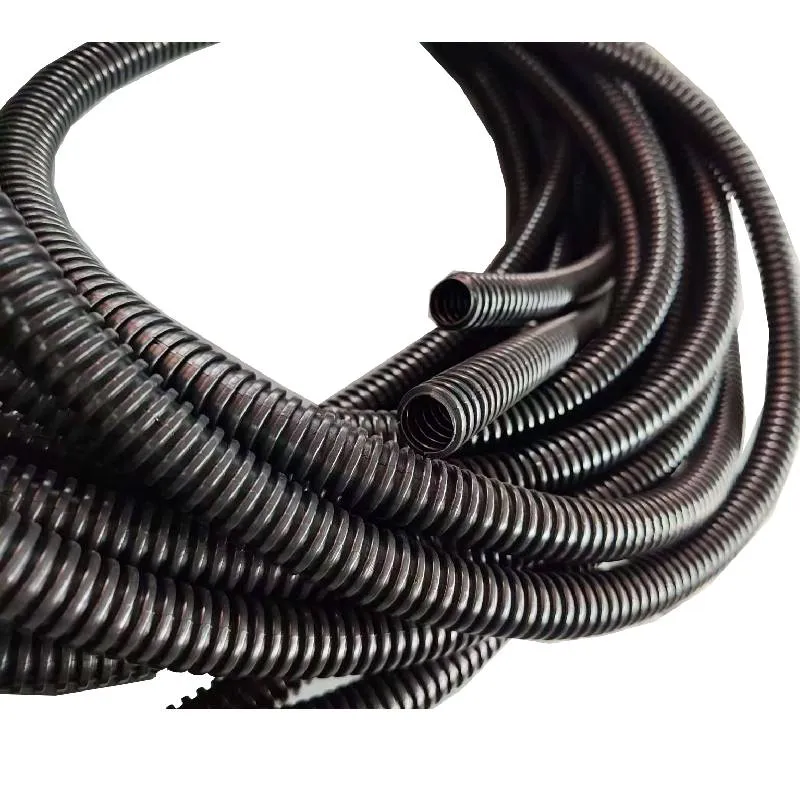
50mm flexible rubber hose is a critical component in fluid transfer systems across diverse industrial applications, including agriculture, construction, mining, and chemical processing. Unlike rigid piping, this hose offers adaptability to dynamic environments and ease of installation. Its primary function is the reliable and safe conveyance of liquids, gases, or granular materials under varying pressure and temperature conditions. Core performance characteristics are defined by burst pressure, tensile strength, chemical compatibility, temperature resistance, and flexibility. This guide provides an in-depth technical overview of these parameters, manufacturing processes, potential failure modes, and relevant industry standards, serving as a comprehensive resource for engineers, procurement specialists, and maintenance personnel.
Material Science & Manufacturing
The foundation of 50mm flexible rubber hose lies in the selection of appropriate elastomer compounds and reinforcing materials. Common elastomers include Natural Rubber (NR) offering excellent elasticity and abrasion resistance, Ethylene Propylene Diene Monomer (EPDM) known for its weather and ozone resistance and compatibility with a wide range of chemicals, Nitrile Rubber (NBR) providing superior oil and fuel resistance, and Chloroprene Rubber (CR, Neoprene) possessing good resistance to weathering, ozone, and moderate oil exposure. The specific elastomer is chosen based on the intended application and the media being transferred. Reinforcement is crucial for withstanding internal pressure. Common reinforcement materials include textile braids (typically polyester or nylon) providing flexibility and moderate pressure resistance, and spiral-wound steel wire imparting high pressure capabilities and dimensional stability.
Manufacturing typically involves several key stages. First, the elastomer compound is mixed and prepared. Then, using extrusion, a continuous rubber tube is formed. This extrusion process demands precise control of temperature, pressure, and screw speed to ensure uniform wall thickness and material consistency. The reinforcement layer is then applied, often through a braiding or spiraling machine, meticulously layering the reinforcement material around the extruded tube. Following reinforcement, a secondary extrusion or coating layer is applied to provide a protective outer surface, enhancing abrasion resistance and chemical compatibility. Finally, the hose is cured (vulcanized) using heat and pressure, inducing cross-linking within the elastomer to achieve the desired mechanical properties. Critical process parameters include cure temperature, cure time, and pressure, which directly impact the hose's strength, elasticity, and resistance to degradation. Post-curing, rigorous quality control checks, including burst pressure testing, tensile strength assessment, and dimensional verification, are performed.
Performance & Engineering
The performance of 50mm flexible rubber hose is dictated by several engineering principles. Burst pressure, a critical safety parameter, is determined by the reinforcement material's tensile strength and the hose's diameter and wall thickness. The hose must withstand several times the working pressure to provide a safety factor. Tensile strength measures the hose's resistance to stretching and tearing, particularly important during installation and handling. Flexural fatigue is a significant concern; repeated bending and flexing can lead to material cracking and eventual failure. The hose’s bend radius must be carefully considered to minimize stress concentrations. Chemical compatibility is paramount. Exposure to incompatible chemicals can cause swelling, softening, or degradation of the elastomer, compromising its structural integrity and leading to leaks or failures. Temperature extremes also pose challenges. High temperatures can accelerate degradation and reduce tensile strength, while low temperatures can decrease flexibility and increase the risk of cracking. Environmental resistance encompasses UV exposure, ozone attack, and weathering, all of which can degrade the rubber compound over time.
Industry compliance necessitates adherence to stringent standards. For example, in the food and beverage industry, hoses must comply with FDA regulations (21 CFR 177.2600) regarding materials used in contact with food products. In applications involving fuel transfer, hoses must meet SAE J30R9 standards for fuel transfer hose. Pressure ratings are typically based on a 4:1 safety factor, indicating the hose can withstand four times its working pressure before bursting. Furthermore, static electricity dissipation is critical in certain applications (e.g., fuel transfer) to prevent ignition hazards, requiring the use of conductive or anti-static hose constructions.
Technical Specifications
| Parameter | Unit | Typical Value (NBR Liner, Polyester Braid) | Typical Value (EPDM Liner, Steel Wire Spiral) |
|---|---|---|---|
| Inner Diameter | mm | 50 | 50 |
| Working Pressure | bar | 10 | 30 |
| Burst Pressure | bar | 40 | 120 |
| Tensile Strength | MPa | 15 | 25 |
| Temperature Range | °C | -40 to +100 | -30 to +150 |
| Elongation at Break | % | 300 | 400 |
Failure Mode & Maintenance
Common failure modes in 50mm flexible rubber hose include burst failure due to exceeding the working pressure or fatigue cracking from repeated flexing. Another prevalent issue is permeation, where fluids or gases migrate through the hose wall, leading to loss of containment. Chemical attack can cause swelling, softening, or cracking of the elastomer, particularly when exposed to incompatible substances. Abrasion, resulting from contact with abrasive materials, can wear away the outer cover, exposing the reinforcement layer. Environmental degradation, caused by UV exposure, ozone, and weathering, leads to material embrittlement and cracking. Delamination, the separation of layers within the hose construction, can occur due to poor bonding during manufacturing or exposure to harsh conditions.
Preventative maintenance is crucial for extending hose lifespan and ensuring safe operation. Regular visual inspections should be conducted to identify signs of wear, cracking, swelling, or discoloration. Pressure testing should be performed periodically to verify the hose’s integrity. The hose should be properly supported to prevent excessive bending and stress. Avoid sharp bends and kinks. Store hoses in a cool, dry, and dark environment away from direct sunlight, ozone sources, and incompatible chemicals. When handling chemicals, verify compatibility with the hose material. Replace hoses immediately if any signs of damage or degradation are detected. Consider implementing a hose management program to track hose usage, inspection dates, and replacement schedules.
Industry FAQ
Q: What are the primary differences between NBR and EPDM rubber hoses for industrial applications?
A: NBR (Nitrile Rubber) offers superior resistance to oils, fuels, and hydrocarbons, making it ideal for applications involving these substances. However, its temperature range and weathering resistance are limited. EPDM (Ethylene Propylene Diene Monomer) boasts excellent resistance to weathering, ozone, and a broad range of chemicals (acids, alkalis, and polar solvents), coupled with a wider temperature range. However, EPDM is generally not recommended for prolonged contact with petroleum-based oils.
Q: How does the reinforcement material affect the hose's performance and lifespan?
A: The reinforcement material dictates the hose's pressure handling capability and resistance to kinking. Textile braids (polyester/nylon) provide flexibility and moderate pressure resistance, making them suitable for lower-pressure applications. Spiral-wound steel wire offers significantly higher pressure capacity and dimensional stability, essential for high-pressure systems. Proper bonding between the reinforcement and the rubber liner is crucial to prevent delamination and ensure longevity.
Q: What is the impact of temperature on rubber hose performance?
A: Temperature extremes significantly affect rubber hose performance. High temperatures accelerate rubber degradation, reducing tensile strength and elasticity, potentially leading to premature failure. Low temperatures can cause rubber to become brittle and less flexible, increasing the risk of cracking. Selecting a rubber compound with an appropriate temperature range is critical for the intended application.
Q: How can I determine if a chemical is compatible with a specific rubber hose?
A: Chemical compatibility charts are readily available from hose manufacturers and chemical suppliers. These charts provide guidance on which rubber compounds are suitable for specific chemicals. Always consult the manufacturer's recommendations and conduct compatibility testing if there's any uncertainty. Incompatible chemicals can cause swelling, softening, or cracking, compromising hose integrity.
Q: What are the key considerations for storing flexible rubber hoses to maximize their service life?
A: Store hoses in a cool, dry, and dark environment, away from direct sunlight, ozone sources (electrical equipment), and incompatible chemicals. Avoid kinking or compressing the hose during storage. Hoses should be stored coiled loosely, not tightly wound. Regularly inspect stored hoses for signs of degradation before use.
Conclusion
50mm flexible rubber hose serves as a vital fluid transfer component across numerous industries. The selection of appropriate materials – elastomer and reinforcement – is paramount, guided by factors such as media compatibility, pressure requirements, temperature range, and environmental conditions. Understanding the manufacturing processes and associated parameter controls is crucial for ensuring consistent quality and performance. Proactive maintenance, coupled with adherence to relevant industry standards, is essential for maximizing hose lifespan and maintaining operational safety.
Future advancements in rubber hose technology will likely focus on developing more durable and chemically resistant elastomers, incorporating smart sensors for real-time monitoring of hose condition, and implementing sustainable manufacturing practices. Continued innovation in reinforcement materials will also lead to lighter-weight hoses with enhanced pressure capabilities. By embracing these advancements, industries can optimize fluid transfer systems, improve efficiency, and reduce downtime.