
Introduction
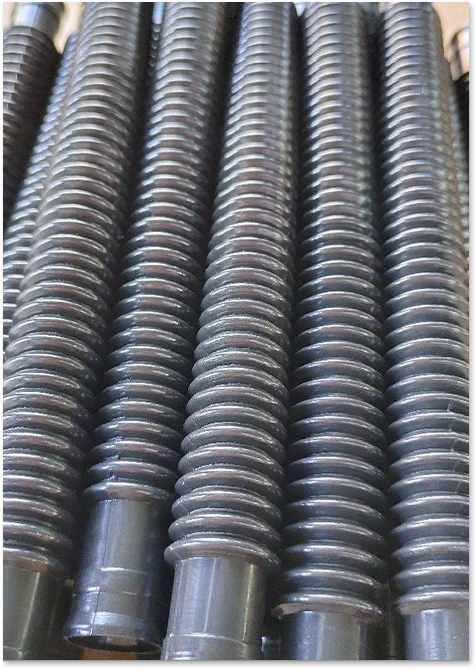
Automotive tube fittings are critical components within vehicle fluid conveyance systems, responsible for creating leak-free connections between tubing and other components. These fittings facilitate the transfer of essential fluids such as brake fluid, fuel, coolant, power steering fluid, and air conditioning refrigerant. They represent a specialized subset of fluid sealing technology, distinct from general plumbing or industrial piping fittings due to the stringent performance, safety, and reliability demands of the automotive environment. Their technical position within the automotive supply chain places them as Tier 2 or Tier 3 suppliers, receiving specifications from Original Equipment Manufacturers (OEMs) and supplying to Tier 1 system integrators. Core performance characteristics center around pressure retention, vibration resistance, corrosion prevention, and the ability to withstand extreme temperature fluctuations common in engine compartments and exposed undercarriage environments. The increasing complexity of modern automotive systems – including hybrid and electric vehicle thermal management – is driving demand for increasingly sophisticated fitting designs and materials.
Material Science & Manufacturing
The selection of materials for automotive tube fittings is paramount, dictated by fluid compatibility, operating pressure, temperature range, and corrosion resistance. Common materials include carbon steel (typically plated for corrosion protection), stainless steel (304, 316 grades for enhanced corrosion resistance and high-temperature applications), brass (for compatibility with certain fluids and ease of machining), and increasingly, engineered plastics like polyamide (PA) and polybutylene terephthalate (PBT) for lightweighting and specific fluid handling requirements. Manufacturing processes vary depending on the fitting type and material. Steel fittings are commonly produced through cold forging, enabling high production rates and enhanced material strength through work hardening. Machining (CNC turning and milling) is used for creating precise geometries and threads. Brass fittings are often manufactured using hot forging followed by machining. Polymer fittings are typically produced via injection molding, allowing for complex geometries and tight tolerances. Key parameter control during manufacturing includes thread pitch accuracy (critical for leak prevention), surface finish (minimizing friction and promoting sealing), material hardness (ensuring sufficient strength and durability), and dimensional consistency. Post-processing steps often include heat treatment (for steel fittings to relieve stress and improve ductility), surface plating (zinc nickel, for example, for corrosion protection), and leak testing to ensure 100% sealing integrity. Forming processes such as swaging are utilized to create flared connections, requiring careful control of deformation parameters to avoid material weakening.
Performance & Engineering
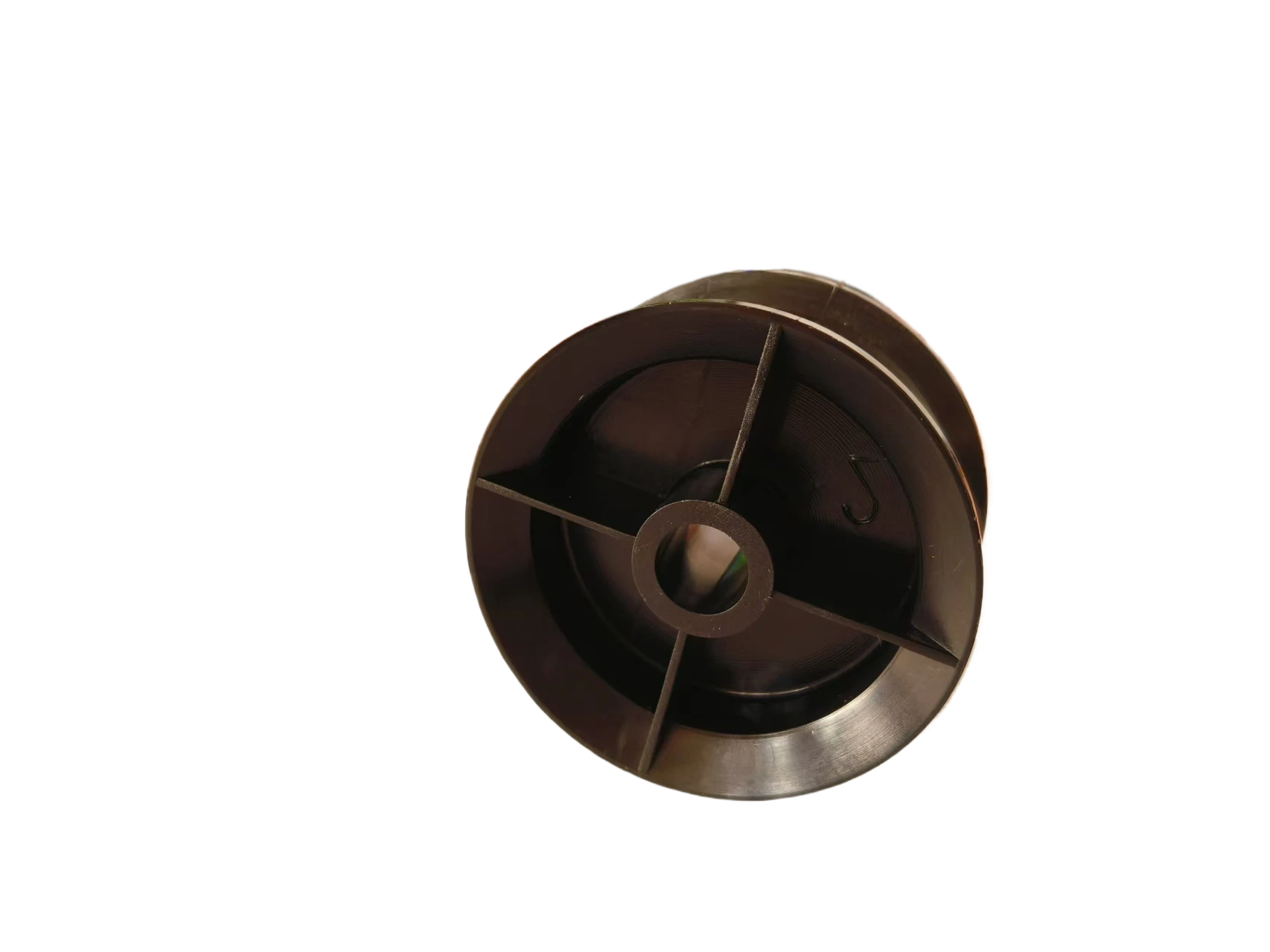
The performance of automotive tube fittings is governed by a complex interplay of factors, including internal pressure, external vibration, temperature cycling, and fluid compatibility. Finite Element Analysis (FEA) is extensively used during the design phase to optimize fitting geometry and material selection to withstand anticipated stresses. Force analysis considers tensile loads from tightening, bending moments from misalignment, and shear forces from fluid pressure. Vibration fatigue is a significant concern, particularly in engine compartments, and is addressed through robust fitting designs, vibration damping materials, and proper installation techniques. Environmental resistance is crucial, with fittings exposed to corrosive fluids, road salt, and extreme temperatures. Material selection and protective coatings (e.g., zinc plating, passivation) are employed to mitigate corrosion. Compliance requirements are stringent, dictated by industry standards (see footer) and OEM specifications. These standards often mandate specific burst pressure ratings, leak rate limits, and material traceability. Functional implementation details vary depending on the fitting type (e.g., compression fittings, flare fittings, O-ring face seal fittings). Each type relies on a distinct sealing mechanism, requiring careful consideration of surface finish, thread engagement, and sealing material compatibility. The trend toward smaller, lighter, and more compact automotive systems necessitates the development of miniature fittings capable of maintaining high performance in limited spaces.
Technical Specifications
| Fitting Type | Material | Operating Pressure (PSI) | Temperature Range (°C) |
|---|---|---|---|
| Compression Fitting (Steel) | Carbon Steel (Zinc Plated) | 3000 | -40 to 120 |
| Flare Fitting (Stainless Steel) | 316 Stainless Steel | 5000 | -60 to 200 |
| O-Ring Face Seal (Brass) | Brass (Nickel Plated) | 2500 | -30 to 150 |
| Push-to-Connect (Plastic) | Polyamide (PA66) | 1500 | -20 to 80 |
| Banjo Fitting (Steel) | Carbon Steel (Black Oxide) | 4000 | -40 to 150 |
| Inverted Flare (Stainless Steel) | 304 Stainless Steel | 4500 | -50 to 180 |
Failure Mode & Maintenance
Automotive tube fittings are susceptible to several failure modes, primarily stemming from corrosion, vibration fatigue, and improper installation. Corrosion, particularly galvanic corrosion between dissimilar metals, can lead to pitting and eventual leakage. Vibration fatigue can cause thread stripping, cracking, or loosening of the fitting. Improper installation, such as over-tightening or cross-threading, can also compromise the integrity of the connection. Failure analysis often reveals that a combination of factors contributes to failure. Common failure modes include: 1) Fatigue Cracking: Initiated at stress concentration points (e.g., thread roots) due to cyclic loading. 2) Corrosion: Localized corrosion due to fluid contamination or exposure to corrosive environments. 3) Thread Damage: Stripped or cross-threaded connections leading to leakage. 4) Seal Degradation: Breakdown of O-rings or sealing surfaces due to temperature extremes, chemical exposure, or age. 5) Creep: Slow deformation of the fitting material under sustained stress. Maintenance typically involves periodic visual inspection for leaks, corrosion, or damage. Torque specifications must be strictly adhered to during installation and re-tightening. Regular replacement of fittings in critical applications (e.g., brake lines) is recommended based on OEM maintenance schedules. Preventative measures include the use of corrosion inhibitors in fluid systems, proper grounding to minimize galvanic corrosion, and the application of thread sealant compounds to prevent galling and leakage. Regular cleaning and inspection are vital.
Industry FAQ
Q: What is the primary difference between a compression fitting and a flare fitting in automotive applications?
A: Compression fittings rely on a compression sleeve or nut to create a seal by squeezing the tubing onto the fitting body. Flare fittings, conversely, create a mechanical seal by flaring the end of the tubing and mating it against a corresponding surface on the fitting. Flare fittings generally offer higher pressure ratings and are less susceptible to vibration loosening compared to compression fittings, making them preferred for critical applications like brake lines. However, flare fittings require specific flaring tools and careful installation.
Q: How does material selection impact the corrosion resistance of automotive tube fittings?
A: Material selection is paramount. Stainless steel (316 grade especially) offers superior corrosion resistance compared to carbon steel. However, even stainless steel can be susceptible to corrosion in certain environments. Protective coatings like zinc nickel plating significantly enhance the corrosion resistance of carbon steel fittings. The fluid being conveyed also plays a role; compatibility between the fitting material and the fluid is essential to prevent corrosion.
Q: What are the key considerations when specifying fittings for high-temperature applications, such as near the exhaust manifold?
A: For high-temperature applications, materials with high thermal stability and resistance to oxidation are crucial. Stainless steel alloys are typically preferred. The selection of sealing materials (e.g., O-rings) must also account for the elevated temperatures. Consideration must be given to thermal expansion and contraction, which can induce stress on the fitting. Furthermore, the impact of temperature cycling on fatigue life must be evaluated.
Q: What is the role of torque specifications in ensuring leak-free connections?
A: Precise torque control is vital. Under-tightening can lead to leakage, while over-tightening can strip threads or damage the fitting. OEMs and fitting manufacturers provide specific torque specifications based on fitting material, thread size, and lubrication conditions. Using a calibrated torque wrench is essential to ensure accurate tightening. Adhering to specified torque values minimizes the risk of both leakage and damage.
Q: How are automotive tube fittings being impacted by the shift towards electric and hybrid vehicles?
A: Electric and hybrid vehicles are increasing the demand for specialized fittings used in thermal management systems for batteries and power electronics. These systems often utilize coolants with different chemical compositions than traditional engine coolants, requiring fittings with enhanced chemical compatibility. There's also a drive towards lightweight materials (e.g., plastics) to reduce vehicle weight, and a need for fittings that can handle higher operating pressures in advanced cooling loops.
Conclusion
Automotive tube fittings are sophisticated components demanding careful material selection, precise manufacturing, and stringent quality control. Their performance is critical to the safety and reliability of vehicle fluid conveyance systems. The industry is constantly evolving, driven by demands for improved performance, reduced weight, and enhanced corrosion resistance. As automotive technology advances – particularly with the proliferation of electric and hybrid vehicles – the requirements for these fittings will become even more complex, necessitating ongoing innovation in materials, designs, and manufacturing processes.
Moving forward, greater emphasis will be placed on predictive maintenance and condition monitoring of tube fitting systems. The integration of sensors and data analytics will enable proactive identification of potential failure points, reducing downtime and improving overall system reliability. Furthermore, the adoption of advanced manufacturing techniques, such as additive manufacturing (3D printing), may allow for the creation of highly customized fittings optimized for specific applications. Continuous research and development are crucial to address these evolving challenges and ensure the continued performance and safety of automotive fluid systems.