
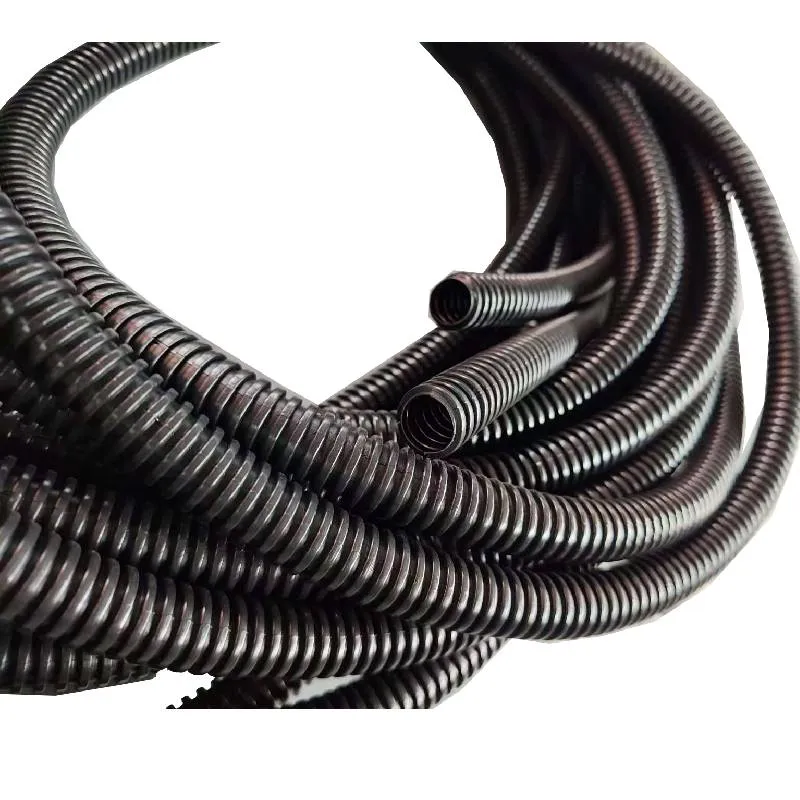
Introduction
Black plastic pipe fittings, commonly manufactured from Polyvinyl Chloride (PVC) or Polypropylene (PP), are essential components in fluid conveyance systems across numerous industries including irrigation, plumbing, chemical processing, and wastewater management. Their widespread adoption stems from a combination of cost-effectiveness, corrosion resistance, and ease of installation. These fittings facilitate the connection of pipes, enabling changes in direction, branching, and the regulation of flow. The inclusion of UV stabilizers in the formulation allows for outdoor applications, mitigating degradation from sunlight exposure. A crucial performance metric is pressure rating, which defines the maximum internal pressure the fitting can withstand without failure, dictating its suitability for specific applications ranging from low-pressure drainage to high-pressure industrial processes. The black pigmentation serves not only aesthetic purposes but also significantly enhances UV resistance compared to lighter colored alternatives, extending service life in outdoor environments. The core challenge for end-users lies in selecting the appropriate fitting material and pressure rating to ensure long-term system integrity and prevent costly failures.
Material Science & Manufacturing
The predominant raw material for black plastic pipe fittings is PVC, specifically Polyvinyl Chloride compounds formulated for rigidity and impact resistance. PP (Polypropylene) is also utilized, particularly in applications requiring higher temperature resistance. The “black” color is achieved through the incorporation of carbon black pigment, typically ranging from 1-5% by weight. Carbon black not only provides UV protection by absorbing radiation but also enhances the material’s mechanical properties, increasing tensile strength and dimensional stability. Manufacturing predominantly utilizes injection molding. PVC resin, along with stabilizers (typically lead-based or calcium-zinc based, increasingly the latter due to environmental concerns), lubricants, and the carbon black pigment, are compounded into a homogenous mixture. This compound is then fed into an injection molding machine. Critical parameters during injection molding include melt temperature (typically 180-210°C for PVC), mold temperature (30-50°C), injection pressure (50-100 MPa), and cooling time. Improper control of these parameters can lead to defects such as sink marks, warpage, and weld lines, compromising the fitting's structural integrity. Extrusion is used for manufacturing larger diameter fittings or those with complex geometries. Quality control includes rigorous testing of raw materials for purity and conformity to specifications (ASTM D1784 for PVC), as well as dimensional inspection and hydrostatic pressure testing of finished fittings (ASTM D2412). Proper annealing post-molding is critical to relieve internal stresses and improve long-term creep resistance.

Performance & Engineering
The performance of black plastic pipe fittings is fundamentally governed by their ability to withstand internal pressure, external loads, and environmental stressors. Force analysis dictates that hoop stress (circumferential stress) is the primary load experienced under internal pressure. This stress is calculated using the Barlow’s formula: σ = (PD)/(2t), where P is the internal pressure, D is the outer diameter, and t is the wall thickness. Finite Element Analysis (FEA) is increasingly employed to model complex stress distributions, particularly around geometric discontinuities like threads or sockets. Environmental resistance is crucial. PVC and PP exhibit good chemical resistance to many common fluids, but prolonged exposure to certain solvents or strong acids can cause swelling or degradation. UV resistance, enhanced by the carbon black, is vital for outdoor applications. Thermal expansion is another critical consideration, particularly in long pipe runs. The coefficient of thermal expansion for PVC is approximately 8 x 10⁻⁵ /°C, requiring expansion loops or flexible couplings to accommodate dimensional changes. Compliance requirements vary by region and application. For potable water systems, fittings must comply with NSF/ANSI 61 standards to ensure they do not leach harmful contaminants into the water supply. For pressure applications, fittings must meet or exceed relevant pressure ratings defined by ASTM D2412 or equivalent international standards. Long-term hydrostatic strength (LTHS) is a crucial metric, representing the sustained pressure a fitting can withstand over a specified period (typically 50 years).
Technical Specifications
| Parameter | PVC (Schedule 40) | PVC (Schedule 80) | PP (Homopolymer) | Unit |
|---|---|---|---|---|
| Material | Polyvinyl Chloride | Polyvinyl Chloride | Polypropylene | - |
| Pressure Rating @ 73°F | 375 | 600 | 350 | psi |
| Tensile Strength | 6900 | 7250 | 3500 | psi |
| Flexural Modulus | 300,000 | 350,000 | 160,000 | psi |
| Water Absorption (24hr) | 0.05 | 0.05 | 0.03 | % |
| Operating Temperature Range | -40 to 140 | -40 to 176 | -20 to 176 | °F |
Failure Mode & Maintenance
Black plastic pipe fittings are susceptible to several failure modes. Fatigue cracking can occur under cyclic pressure fluctuations, particularly at stress concentrations around threads or socket connections. Environmental Stress Cracking (ESC) arises from the combined action of tensile stress and exposure to certain chemicals. UV degradation, despite the carbon black, can still occur over extended periods, leading to embrittlement and cracking. Hydrostatic failure is a sudden rupture due to exceeding the pressure rating. Creep is a time-dependent deformation under sustained load, potentially leading to leakage or failure over the long term. Delamination can occur in fittings manufactured with inadequate bonding between layers. Maintenance primarily involves visual inspection for cracks, deformation, or discoloration. Periodic hydrostatic testing can verify the integrity of the system. Preventative measures include proper material selection based on application requirements, avoiding exposure to incompatible chemicals, and protecting fittings from excessive UV exposure whenever possible. Replacing fittings exhibiting signs of degradation is crucial. Proper tightening of threaded connections is also vital – overtightening can induce stress cracking, while undertightening can lead to leakage. Regular torque checks are recommended. For systems handling corrosive fluids, consider using fittings with enhanced chemical resistance, such as CPVC or fluoropolymers.
Industry FAQ
Q: What is the difference between Schedule 40 and Schedule 80 PVC fittings, and when should I use each?
A: Schedule 40 PVC fittings have thinner walls and are suitable for lower-pressure applications like irrigation or drainage systems. Schedule 80 fittings have thicker walls, providing higher pressure ratings and increased impact resistance. They are recommended for industrial applications, compressed air lines, or any system where higher pressures are anticipated. The increased wall thickness also offers greater durability and resistance to external damage.
Q: How does temperature affect the performance of PVC pipe fittings?
A: PVC becomes more flexible and less rigid at higher temperatures, reducing its pressure rating. Exceeding the maximum operating temperature (typically 140°F for Schedule 40) can lead to deformation and failure. At lower temperatures, PVC becomes more brittle and susceptible to cracking, especially under impact. Therefore, it's essential to consider the operating temperature range when selecting PVC fittings.
Q: What is the best way to prevent leaks at threaded connections?
A: Proper thread sealing is crucial. Always use an appropriate pipe thread sealant, such as PTFE tape (Teflon tape) or a pipe dope specifically designed for plastic fittings. Apply the sealant in the direction of the thread helix to ensure a complete seal. Avoid overtightening, as this can crack the fitting. Use a torque wrench to ensure consistent tightening pressure.
Q: Can black plastic pipe fittings be used for potable water systems?
A: Not all black plastic pipe fittings are suitable for potable water. Fittings intended for potable water must comply with NSF/ANSI 61 certification, which ensures they do not leach harmful contaminants into the water. Always verify the NSF certification before using a fitting in a potable water system. The specific PVC compound formulation must be approved for drinking water contact.
Q: What causes environmental stress cracking (ESC) and how can it be prevented?
A: ESC occurs when a plastic fitting is exposed to certain chemicals (like solvents or detergents) while under sustained stress. This combination causes microscopic cracks to initiate and propagate, leading to failure. Prevention involves selecting fittings made from materials compatible with the fluids being conveyed, minimizing stress concentrations, and avoiding prolonged exposure to incompatible chemicals.
Conclusion
Black plastic pipe fittings represent a versatile and cost-effective solution for fluid conveyance across a broad spectrum of applications. However, their long-term performance hinges on meticulous material selection, adherence to proper manufacturing processes, and a thorough understanding of potential failure modes. Selecting the appropriate schedule (40 or 80) and material (PVC or PP) based on pressure, temperature, and chemical compatibility is paramount.
The future of black plastic pipe fittings will likely focus on the development of more sustainable materials, improved UV stabilization technologies, and enhanced manufacturing processes to reduce defects and improve dimensional accuracy. Furthermore, increasing demand for smart piping systems integrating sensors for leak detection and pressure monitoring will drive innovation in fitting design and material composition, enabling proactive maintenance and extending service life.