
Introduction
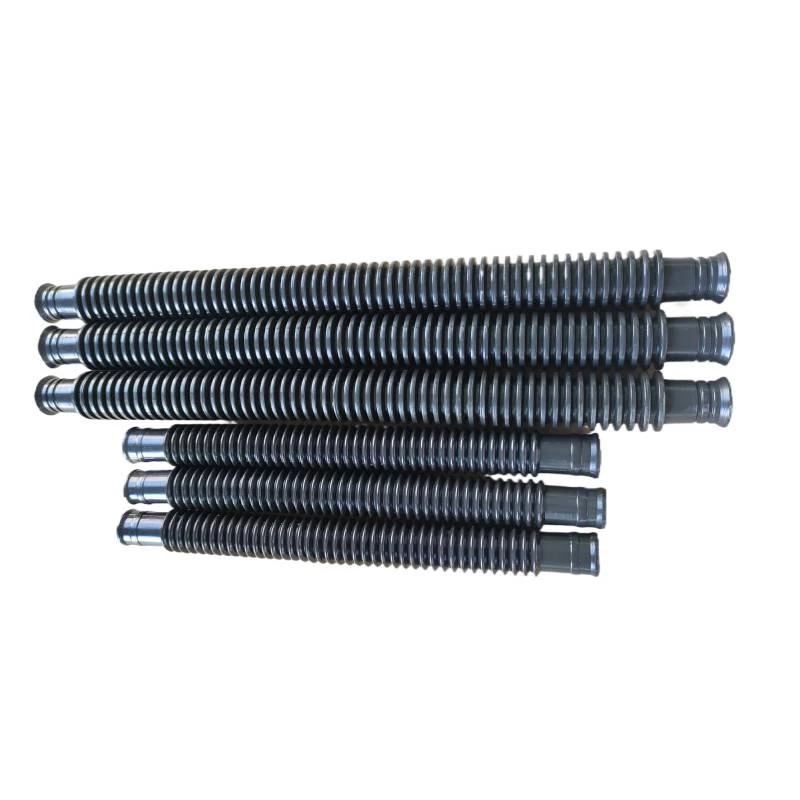
Black plastic water pipe fittings, typically manufactured from Polypropylene Random Copolymer (PPR) or Polyethylene (PE), represent a significant advancement in fluid conveyance systems. Positioned within the plumbing and infrastructure supply chain, they provide corrosion-resistant, lightweight alternatives to traditional metallic fittings like brass or galvanized steel. Their core performance characteristics – pressure rating, temperature resistance, and chemical inertness – are critical in potable water distribution, irrigation, and industrial fluid handling. A key industry pain point addressed by these fittings is the long-term cost of ownership, particularly relating to corrosion-related failures in metallic systems. Black pigmentation, commonly achieved with carbon black, provides UV resistance crucial for outdoor applications, extending the operational lifespan of the piping network. The transition to plastic fittings also directly impacts installation labor costs and system weight, affecting project timelines and logistical considerations.
Material Science & Manufacturing
The predominant material for black plastic water pipe fittings is PPR and PE, each with distinct properties. PPR, a random copolymer of polypropylene, offers a higher temperature resistance (up to 95°C) and inherent rigidity. PE, varying in density (HDPE, LDPE), provides greater flexibility and impact strength, although with a lower maximum operating temperature (typically up to 60°C). The carbon black pigmentation is crucial, acting as a UV stabilizer preventing polymer degradation from prolonged sun exposure. Manufacturing processes primarily involve injection molding. Granulated resin (PPR or PE) mixed with carbon black is heated and injected into a closed mold cavity under high pressure (typically 30-70 MPa). Mold temperature control (20-60°C depending on the polymer) is paramount, influencing crystallization rate and the resulting mechanical properties. Critical parameters include melt flow index (MFI) which dictates processability, and molecular weight distribution (MWD) affecting impact resistance. Extrusion is also used for larger diameter fittings. Post-molding operations often include deburring, quality inspection, and, in some cases, surface treatment to improve aesthetics or reduce friction.
Performance & Engineering
Performance is directly tied to pressure rating, temperature range, and chemical compatibility. Finite element analysis (FEA) is extensively employed during the design phase to optimize fitting geometry and wall thickness to withstand hydrostatic pressure. The Von Mises stress criteria are typically used to assess the structural integrity under load. For threaded fittings, torque analysis is critical to prevent stripping or cracking during installation. Environmental resistance is a key concern. While the carbon black provides UV protection, prolonged exposure to chlorine or other oxidizing agents in potable water can lead to gradual degradation of the polymer matrix. Long-term hydrostatic strength (LTHS) testing, conducted at elevated temperatures and pressures, is essential to determine the fitting’s expected service life. Compliance with regional plumbing codes (e.g., NSF/ANSI 61 in North America, DVGW in Germany) dictates material requirements and testing protocols. Hydrostatic testing, burst pressure testing, and creep rupture testing are common compliance requirements.
Technical Specifications
| Parameter | PPR Fitting | HDPE Fitting | Unit |
|---|---|---|---|
| Maximum Operating Pressure | 16 | 10 | bar |
| Maximum Operating Temperature | 95 | 60 | °C |
| Tensile Strength | 20-25 | 15-20 | MPa |
| Elongation at Break | 300-500 | 200-400 | % |
| Impact Strength (Charpy) | >20 | >30 | kJ/m² |
| Hydrostatic Strength (20°C, 100 hrs) | >16 | >10 | bar |
Failure Mode & Maintenance
Common failure modes in black plastic water pipe fittings include stress cracking (particularly around threaded connections), fatigue cracking due to cyclic pressure fluctuations, and oxidative degradation caused by chlorine exposure. UV degradation, despite the carbon black, can occur over extended periods, leading to embrittlement and cracking. A significant failure mechanism is crazing, where micro-cracks form within the polymer matrix, reducing its mechanical strength. Failure analysis often involves microscopic examination of fractured surfaces to identify the root cause. Maintenance is generally limited to visual inspection for cracks or leaks. Preventative maintenance includes ensuring proper installation torque, avoiding mechanical damage during handling, and regularly flushing the system to remove sediment buildup. Replacing fittings exhibiting any signs of damage is crucial. For systems with known aggressive water chemistry, water softening or filtration may extend the fitting’s lifespan. The use of compatible thread sealant is also vital to prevent galvanic corrosion or chemical attack on the fitting material. Addressing water hammer (sudden pressure surges) through the installation of pressure reducing valves and air chambers is essential to prevent fatigue failure.
Industry FAQ
Q: What is the impact of water hammer on the lifespan of PPR fittings?
A: Water hammer introduces transient pressure spikes significantly exceeding the fitting’s rated pressure. These repeated shocks induce fatigue stress, leading to crack initiation and propagation, particularly at weld or threaded connections. Over time, this drastically reduces the fitting’s lifespan and can cause catastrophic failure. Implementation of pressure reducing valves and air chambers are vital.
Q: How does chlorine concentration affect the long-term performance of PE fittings?
A: High chlorine concentrations can cause oxidative degradation of the polyethylene material, leading to embrittlement and a reduction in tensile strength. This degradation process is accelerated at higher temperatures. Utilizing chlorine-resistant PE formulations or incorporating water treatment to lower chlorine levels are mitigating strategies.
Q: What is the significance of the Hydrostatic Strength test?
A: The Hydrostatic Strength test evaluates a fitting's ability to withstand sustained internal pressure. It’s a critical parameter for determining the fitting's suitability for a specific application and is a mandatory requirement for compliance with international standards like NSF/ANSI 61. The test identifies potential weaknesses and failure points under real-world operating conditions.
Q: What are the advantages of using carbon black pigmentation in plastic pipe fittings?
A: Carbon black acts as an effective UV stabilizer, preventing polymer degradation caused by prolonged sun exposure. This significantly extends the service life of fittings used in outdoor applications. It also contributes to the fitting's opacity, preventing algal growth within the piping system.
Q: Can PPR and PE fittings be directly joined using standard PVC cement?
A: No, PPR and PE fittings cannot be joined with PVC cement. PVC cement is chemically incompatible with polypropylene and polyethylene. Specialized welding techniques (hot plate welding for PPR, electrofusion or butt fusion for PE) or mechanical fittings designed for these materials must be used to ensure a secure and leak-proof connection.
Conclusion
Black plastic water pipe fittings offer a compelling combination of corrosion resistance, lightweight design, and cost-effectiveness, positioning them as a viable and increasingly preferred alternative to traditional metallic fittings. Understanding the nuances of material science – specifically the properties of PPR and PE – alongside meticulous control of manufacturing parameters is paramount to ensuring consistent performance and long-term reliability. Proper installation techniques, preventative maintenance, and adherence to relevant industry standards are crucial for maximizing the operational lifespan and mitigating potential failure modes.
Future development will likely focus on enhancing the chemical resistance of these materials, exploring bio-based polymer alternatives to reduce environmental impact, and integrating smart sensing technologies for real-time monitoring of system integrity. Optimizing fitting designs for reduced pressure drop and improved flow characteristics will also be a key area of innovation. Continued investment in non-destructive testing methods will further enhance quality control and ensure the long-term sustainability of plastic piping systems.