
Introduction
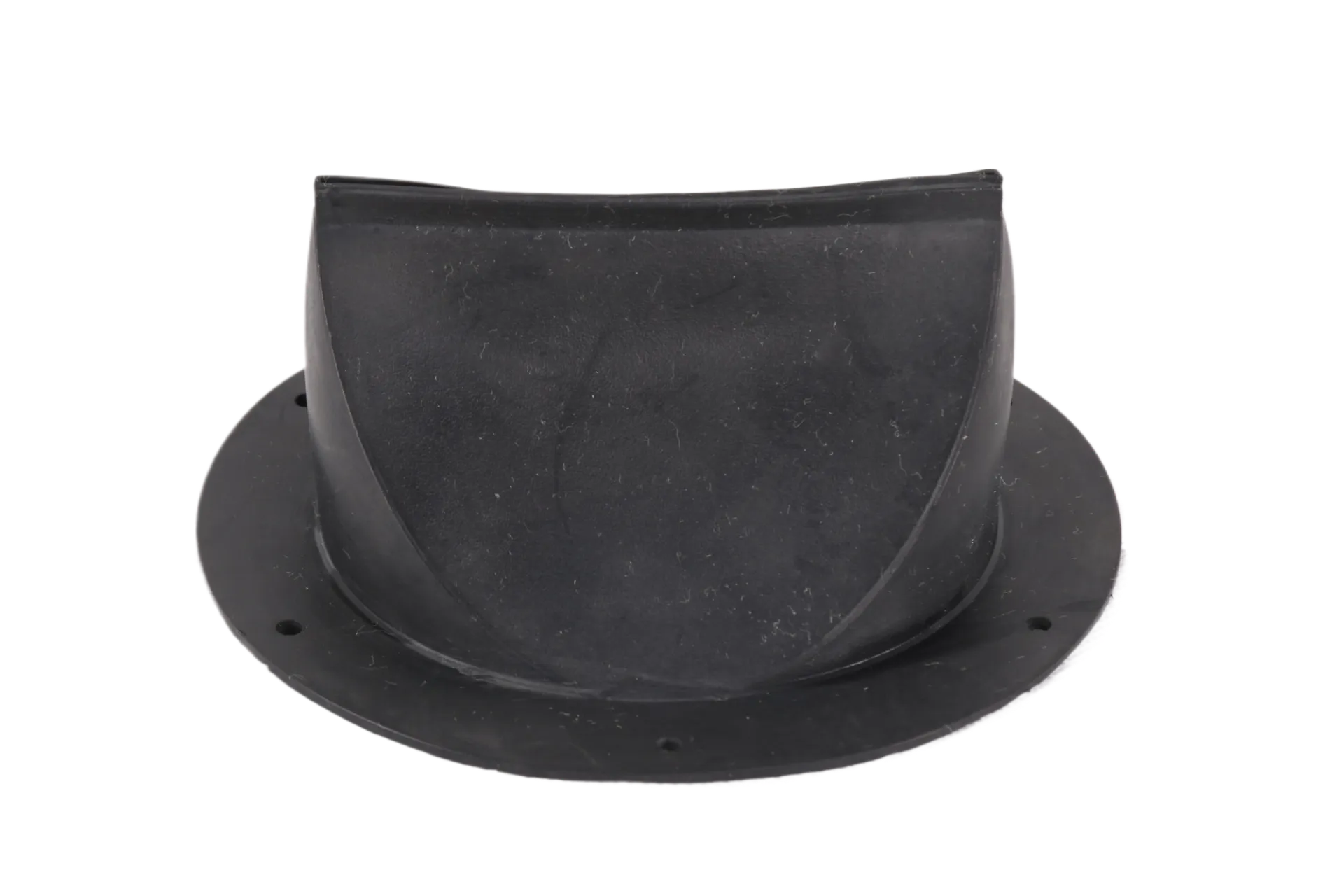
Industrial hose pipe fittings are critical components in fluid transfer systems across diverse sectors including oil and gas, chemical processing, agriculture, mining, and construction. These fittings establish the connection between flexible hoses and stationary piping, equipment, or other hoses, facilitating the safe and efficient conveyance of liquids, gases, and abrasive materials. Their technical position within the industrial chain is fundamentally as interfacing elements demanding high mechanical strength, chemical compatibility, and leak-proof sealing. Core performance metrics center around pressure rating, temperature resistance, material compatibility with the conveyed media, and adherence to stringent safety standards. Selecting the appropriate fitting is paramount, as failure can result in costly downtime, environmental hazards, and potentially dangerous operational risks. The increasing demand for specialized hoses handling increasingly aggressive and high-temperature fluids necessitates advanced fitting designs and materials.
Material Science & Manufacturing
Industrial hose pipe fittings are manufactured from a range of materials, each possessing distinct physical and chemical properties. Carbon steel is frequently utilized for its high strength and cost-effectiveness, often with zinc plating or epoxy coating for corrosion resistance. Stainless steel (304, 316, 316L) provides superior corrosion resistance, essential for handling aggressive chemicals and saline environments. Alloy steels, such as those incorporating chromium-molybdenum, offer enhanced high-temperature performance and strength. Brass and bronze fittings are employed in applications requiring moderate corrosion resistance and ductility. Polymer materials, including PTFE, PVC, and polypropylene, are used for specialized applications demanding chemical inertness and low friction.
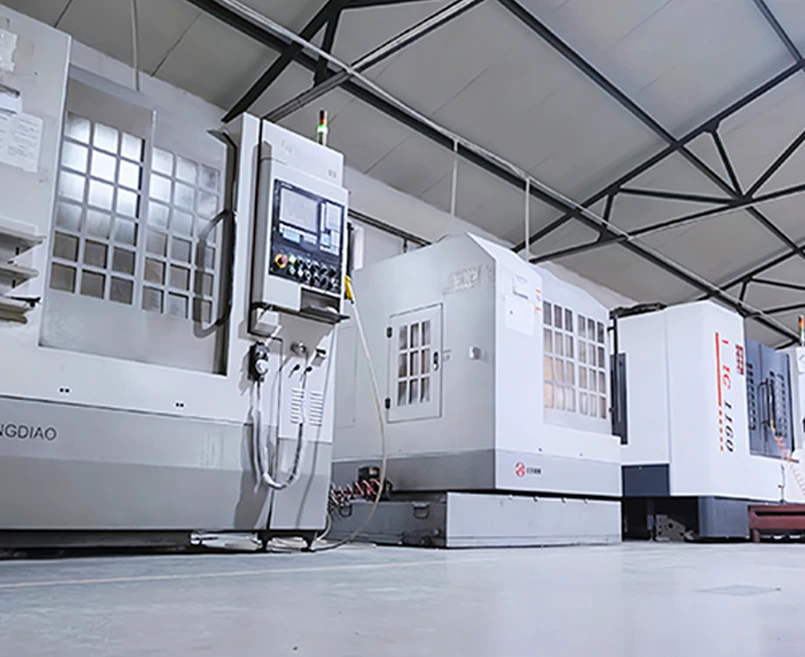
Manufacturing processes vary depending on the material and fitting type. For metal fittings, forging is common for producing high-strength components, followed by precision machining to achieve accurate dimensions and thread profiles. Investment casting allows for complex geometries. Welding, particularly orbital TIG welding, is crucial for creating seamless, leak-proof joints in larger fittings. For polymer fittings, injection molding and compression molding are standard. Key parameter control during manufacturing includes maintaining tight tolerances on dimensions, ensuring consistent material properties (hardness, tensile strength, elongation), and implementing rigorous quality control checks, including non-destructive testing (NDT) like dye penetrant inspection and radiography, to detect internal flaws. Heat treatment processes, such as annealing and hardening, are critical for achieving desired mechanical properties in metal fittings. Surface finishing processes, like electroplating and passivation, enhance corrosion resistance. The choice of manufacturing process directly impacts the final fitting’s mechanical integrity and long-term performance.
Performance & Engineering
Performance analysis of industrial hose pipe fittings centers on their ability to withstand internal pressure, external loads, and environmental stressors. Force analysis involves calculating hoop stress in the fitting body, thread stress during assembly, and bending moments induced by hose flexure. Finite Element Analysis (FEA) is often employed to simulate stress distribution under various loading conditions. Environmental resistance is paramount; fittings must resist corrosion, oxidation, and degradation from exposure to UV radiation, temperature fluctuations, and chemical attack. Material selection is therefore guided by the specific application environment. Compliance requirements are dictated by industry standards and regulations (detailed in the footer). For example, pressure vessel fittings must meet ASME standards, while fittings used in food and beverage processing require FDA compliance. Functional implementation considers the fitting’s compatibility with the hose’s internal diameter and outer diameter, ensuring a secure and leak-proof connection. Thread standards (NPT, BSP, SAE) must be precisely adhered to. Furthermore, the fitting’s design must minimize turbulence and pressure drop in the fluid flow path. Fatigue life analysis is critical for applications involving cyclic loading, such as pump connections or hydraulic systems. Proper installation torque is crucial, as over-tightening can damage threads, while under-tightening can lead to leaks.
Technical Specifications
| Fitting Type | Material | Pressure Rating (PSI) | Temperature Range (°F) |
|---|---|---|---|
| NPT Male Adapter | Carbon Steel (Zinc Plated) | Up to 3000 | -20 to 250 |
| Stainless Steel 316 Socket Weld Fitting | Stainless Steel 316 | Up to 5000 | -328 to 500 |
| Brass Garden Hose Fitting | Brass | Up to 600 | -65 to 250 |
| PTFE Compression Fitting | PTFE | Up to 1000 | -400 to 500 |
| Cam and Groove Coupling (Aluminum) | Aluminum | Up to 250 | -40 to 175 |
| Stainless Steel Flange Fitting | Stainless Steel 304 | Up to 10,000 | -328 to 650 |
Failure Mode & Maintenance
Common failure modes in industrial hose pipe fittings include thread stripping, corrosion-induced cracking, fatigue failure due to cyclic loading, and leakage through seals. Thread stripping occurs when excessive torque is applied during installation or when threads are damaged. Corrosion, particularly in aggressive chemical environments, can lead to pitting, crevice corrosion, and ultimately, through-wall cracking. Fatigue failure results from repeated stress cycles exceeding the material’s endurance limit. Leakage can occur due to improper sealing, damaged o-rings, or loose connections. Failure analysis often involves microscopic examination of fracture surfaces to determine the root cause. Prevention strategies include proper material selection, adhering to specified installation torque values, implementing regular inspection and maintenance programs, and utilizing corrosion inhibitors. Maintenance solutions include thread repair (using thread inserts), component replacement, and application of protective coatings. Regularly check fittings for signs of corrosion, cracks, or leaks. Periodically re-torque connections to ensure a secure seal. Lubricating threads during installation can reduce stress and prevent galling. For critical applications, consider implementing a preventative maintenance schedule based on operating hours or cycles.
Industry FAQ
Q: What is the impact of galvanic corrosion when using dissimilar metals in a hose fitting assembly?
A: Galvanic corrosion occurs when dissimilar metals are in electrical contact in the presence of an electrolyte (e.g., water). The more active metal (anode) corrodes preferentially, while the less active metal (cathode) is protected. This can significantly reduce the lifespan of the anodic component. To mitigate this, use compatible materials, apply isolating coatings, or employ dielectric unions to break the electrical contact.
Q: How do I determine the correct pressure rating for a hose fitting in a hydraulic system?
A: The pressure rating of the fitting must be equal to or greater than the maximum operating pressure of the hydraulic system, including pressure surges and spikes. Consult the fitting manufacturer’s specifications and consider a safety factor. Ensure the hose itself is also rated for the same or higher pressure.
Q: What is the difference between NPT and BSP threads, and why is compatibility important?
A: NPT (National Pipe Taper) is a tapered thread standard commonly used in North America, while BSP (British Standard Pipe) is a parallel or tapered thread standard used internationally. They are not interchangeable. Attempting to connect NPT and BSP fittings will result in leaks. Compatibility is crucial for a secure and leak-proof connection.
Q: What considerations should be made when selecting fittings for handling abrasive slurries?
A: Abrasive slurries cause significant wear on fitting surfaces. Choose fittings made from wear-resistant materials such as hardened steel or ceramic-lined steel. Minimize flow velocity to reduce erosion. Consider using fittings with smooth internal surfaces to reduce turbulence and abrasive action.
Q: What are the benefits of using stainless steel 316L over 304 in corrosive environments?
A: Stainless steel 316L contains molybdenum, which significantly enhances its resistance to chloride pitting and crevice corrosion, particularly in saline or chloride-rich environments. 316L also has lower carbon content, reducing its susceptibility to sensitization and intergranular corrosion after welding.
Conclusion
The selection and implementation of industrial hose pipe fittings necessitate a comprehensive understanding of material science, manufacturing processes, performance characteristics, and potential failure modes. Achieving optimal performance and longevity demands careful consideration of the application environment, fluid compatibility, and relevant industry standards. A rigorous approach to design, material selection, installation, and maintenance is paramount for ensuring the safe and reliable operation of fluid transfer systems.
Future trends in hose fitting technology include the development of lighter-weight materials, smart fittings with integrated sensors for monitoring pressure and flow, and advanced coatings to enhance corrosion resistance. Furthermore, increased emphasis on sustainability will drive the adoption of eco-friendly materials and manufacturing processes. By staying abreast of these advancements and prioritizing engineering best practices, industries can mitigate risks and optimize the efficiency of their fluid handling operations.