
Introduction
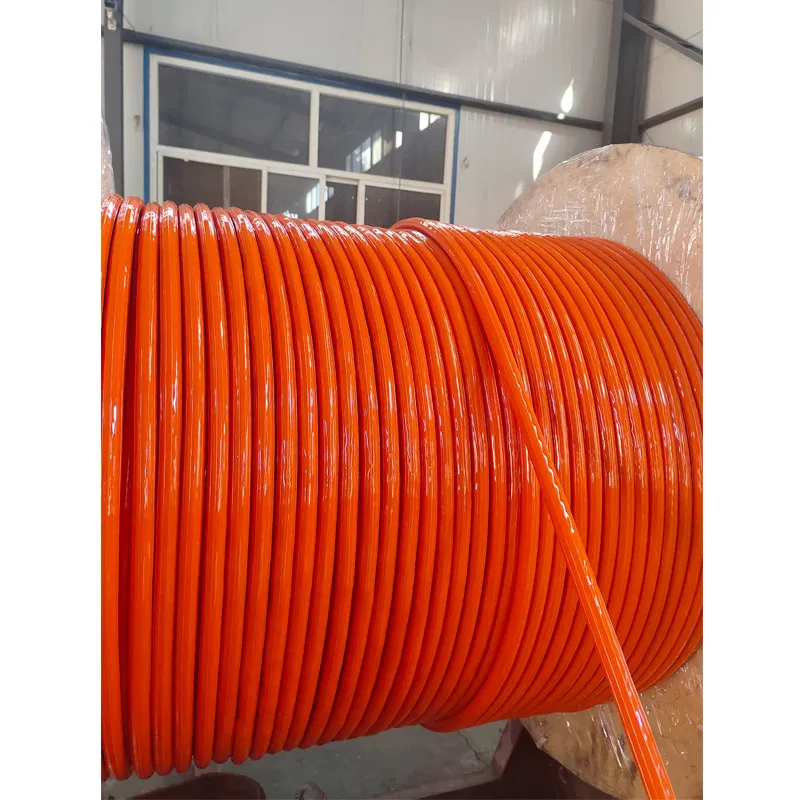
Large rubber hose, typically defined as having an inner diameter exceeding 6 inches, represents a critical component in numerous industrial fluid transfer applications. Positioned within the broader fluid handling industry, these hoses serve as flexible conduits for transporting a wide array of media, including water, air, chemicals, slurries, and granular materials. Their versatility stems from their ability to accommodate movement, vibration, and pressure fluctuations – conditions rigid piping systems struggle to manage efficiently. Core performance characteristics are dictated by pressure rating, temperature resistance, chemical compatibility, and abrasion resistance. The selection of a suitable large rubber hose directly impacts system reliability, operational safety, and long-term cost effectiveness. Industry pain points often center around premature hose failure due to improper material selection, exceeding pressure/temperature limits, or inadequate protection against external abrasion and environmental degradation. Addressing these challenges requires a deep understanding of rubber compound formulations, reinforcement structures, and application-specific requirements.
Material Science & Manufacturing
The foundational material for large rubber hose is typically a synthetic rubber compound, commonly employing Ethylene Propylene Diene Monomer (EPDM), Nitrile (NBR), Chloroprene (CR – Neoprene), or a combination thereof. EPDM offers excellent resistance to weathering, ozone, and heat, making it suitable for outdoor applications and water transfer. NBR provides superior oil and fuel resistance, crucial in petrochemical and automotive industries. CR balances oil resistance with good weathering properties. The specific polymer selection dictates the hose's overall chemical compatibility and operational temperature range. Reinforcement layers are critical for pressure containment and structural integrity. These layers commonly consist of high-tensile strength textiles, such as polyester, nylon, or aramid fibers, embedded within the rubber matrix. Wire helices, typically steel or stainless steel, are often incorporated to provide crush resistance and prevent kinking. Manufacturing processes vary depending on hose complexity. A common method is extrusion, where the rubber compound is forced through a die to create a continuous tube. Reinforcement layers are applied during or immediately after extrusion, followed by curing (vulcanization) to crosslink the rubber molecules, enhancing strength and elasticity. Critical parameters during extrusion include die temperature, screw speed, and material feed rate. Curing parameters – temperature, time, and pressure – must be precisely controlled to achieve optimal physical properties. Post-curing processes may include surface finishing, end fitting attachment (crimping, flanging, threading), and rigorous quality control testing. Chemical compatibility testing is performed to verify resistance to target media, while burst pressure testing validates structural integrity under extreme conditions.
Performance & Engineering
The performance of large rubber hose is governed by several key engineering principles. Force analysis, particularly stress-strain relationships, is fundamental to determining the hose’s ability to withstand internal pressure and external loads. The hoop stress within the hose wall, resulting from internal pressure, is directly proportional to the pressure and radius, and inversely proportional to the wall thickness. Therefore, maintaining appropriate wall thickness is critical for preventing burst failures. Environmental resistance is a major consideration. Exposure to UV radiation, ozone, and extreme temperatures can cause rubber degradation, leading to cracking and loss of flexibility. Antioxidants and UV stabilizers are incorporated into the rubber formulation to mitigate these effects. Abrasion resistance is paramount in applications involving the transport of abrasive materials, such as slurries or granular solids. Selecting rubber compounds with high hardness and incorporating abrasion-resistant liners can significantly extend hose lifespan. Compliance requirements are dictated by industry standards and regulatory bodies. For example, hoses used in food and beverage applications must comply with FDA regulations regarding material safety and leachability. Hoses used in hydraulic systems must meet SAE standards for pressure rating and impulse testing. The design of end fittings is also critical. Fittings must be securely attached to the hose to prevent leakage and separation under pressure. Crimping, using specialized hydraulic presses, is a common method for attaching fittings, ensuring a tight and durable connection. Proper selection of fitting material – carbon steel, stainless steel, or brass – is essential for compatibility with the transported media and operating environment.
Technical Specifications
| Parameter | Unit | Typical Value (EPDM Liner, Steel Helix Reinforcement) | Test Standard |
|---|---|---|---|
| Inner Diameter | inches | 8 | ASTM D1418 |
| Working Pressure | psi | 200 | ASTM D1430 |
| Burst Pressure | psi | 600 | ASTM D1430 |
| Temperature Range | °F | -40 to 212 | ASTM D573 |
| Tensile Strength | psi | 1500 | ASTM D412 |
| Elongation at Break | % | 400 | ASTM D412 |
Failure Mode & Maintenance
Large rubber hoses are susceptible to several failure modes. Fatigue cracking, induced by repeated flexing and pressure cycles, is a common issue, particularly in applications involving dynamic loads. Delamination, the separation of reinforcement layers from the rubber matrix, can occur due to inadequate adhesion or exposure to corrosive fluids. Chemical attack can lead to rubber degradation, causing swelling, softening, and loss of strength. Oxidation and ozone cracking are prevalent in outdoor applications, causing surface cracks and eventual failure. Abrasion from internal or external sources can wear away the rubber material, reducing wall thickness and compromising pressure containment. Maintenance strategies are crucial for extending hose lifespan. Regular visual inspections should be conducted to identify signs of cracking, abrasion, or swelling. Pressure testing should be performed periodically to verify structural integrity. Hoses should be stored in a cool, dry place, away from direct sunlight and ozone sources. Avoid sharp bends or kinks, which can induce stress concentrations and accelerate fatigue failure. When handling abrasive materials, consider using hoses with abrasion-resistant liners and minimizing flow velocity. Promptly replace any hose that exhibits signs of significant damage or degradation. Properly documenting hose usage and maintenance records can aid in identifying recurring failure patterns and optimizing hose selection and maintenance practices. For hoses exposed to harsh chemicals, consult a chemical resistance guide to ensure compatibility.
Industry FAQ
Q: What is the impact of hose layline on service life?
A: The layline, or helix pitch, significantly influences hose flexibility and resistance to kinking. A tighter layline generally improves crush resistance but can reduce flexibility. Conversely, a wider layline offers greater flexibility but may be more prone to kinking under vacuum or bending stress. The optimal layline depends on the application's specific requirements.
Q: How does the choice of reinforcement material affect burst pressure?
A: Reinforcement material plays a critical role in determining burst pressure. Steel reinforcement provides the highest tensile strength and is suitable for high-pressure applications. High-tensile textiles, such as aramid fibers, offer a good strength-to-weight ratio and are often used in applications where weight is a concern. The specific weave pattern and ply count also impact burst pressure.
Q: What considerations should be made when selecting a hose for intermittent service?
A: Intermittent service, characterized by frequent start-stop cycles, can induce fatigue cracking. It's crucial to select a hose with a high fatigue resistance rating and a suitable burst pressure margin. Consider using hoses with specialized anti-kink features to prevent damage during pressure fluctuations. Regularly inspect the hose for signs of fatigue.
Q: What are the advantages of a corrugated hose design?
A: Corrugated hose designs enhance flexibility, allowing for tighter bends and easier routing in confined spaces. The corrugations also increase the hose’s resistance to kinking and collapse under vacuum. However, corrugated hoses may have a lower burst pressure compared to smooth bore hoses of the same dimensions.
Q: How do I determine the chemical compatibility of a rubber hose with a specific fluid?
A: Refer to a comprehensive chemical resistance chart provided by the hose manufacturer. These charts detail the compatibility of various rubber compounds with a wide range of chemicals. It's crucial to consider the concentration, temperature, and duration of exposure when assessing chemical compatibility. If a specific chemical is not listed, consult the manufacturer for further guidance.
Conclusion
Large rubber hose selection requires a holistic understanding of material science, manufacturing processes, and application-specific demands. The interplay between rubber compound, reinforcement structure, and operating conditions dictates hose performance and longevity. Choosing the appropriate hose, coupled with diligent maintenance practices, is essential for maximizing reliability, minimizing downtime, and ensuring operational safety.
Future advancements in rubber hose technology will likely focus on developing more durable and chemically resistant materials, incorporating smart sensing capabilities for real-time monitoring of hose condition, and optimizing hose designs for specific applications. The integration of predictive maintenance algorithms, based on sensor data, will enable proactive replacement of hoses before catastrophic failure, further enhancing system reliability and reducing operational costs.