
Introduction
Plastic clad wheels are composite structures consisting of a metallic core, typically steel or aluminum, overmolded or bonded with a polymeric cladding material. These wheels find application across diverse industries, including material handling, robotics, industrial machinery, and specialized transport. Their primary function is to provide robust load-bearing capacity combined with features like noise reduction, floor protection, and resistance to corrosive environments. Unlike solid metal or fully plastic wheels, plastic clad wheels represent a balance of mechanical strength and surface characteristics, addressing specific performance requirements where traditional wheel materials fall short. The selection of cladding polymer and bonding technique is critical to achieving the desired performance characteristics and longevity in service, influencing factors like wear resistance, chemical compatibility, and operating temperature range. This guide details the material science, manufacturing processes, performance parameters, potential failure modes, and maintenance considerations for plastic clad wheels.
Material Science & Manufacturing
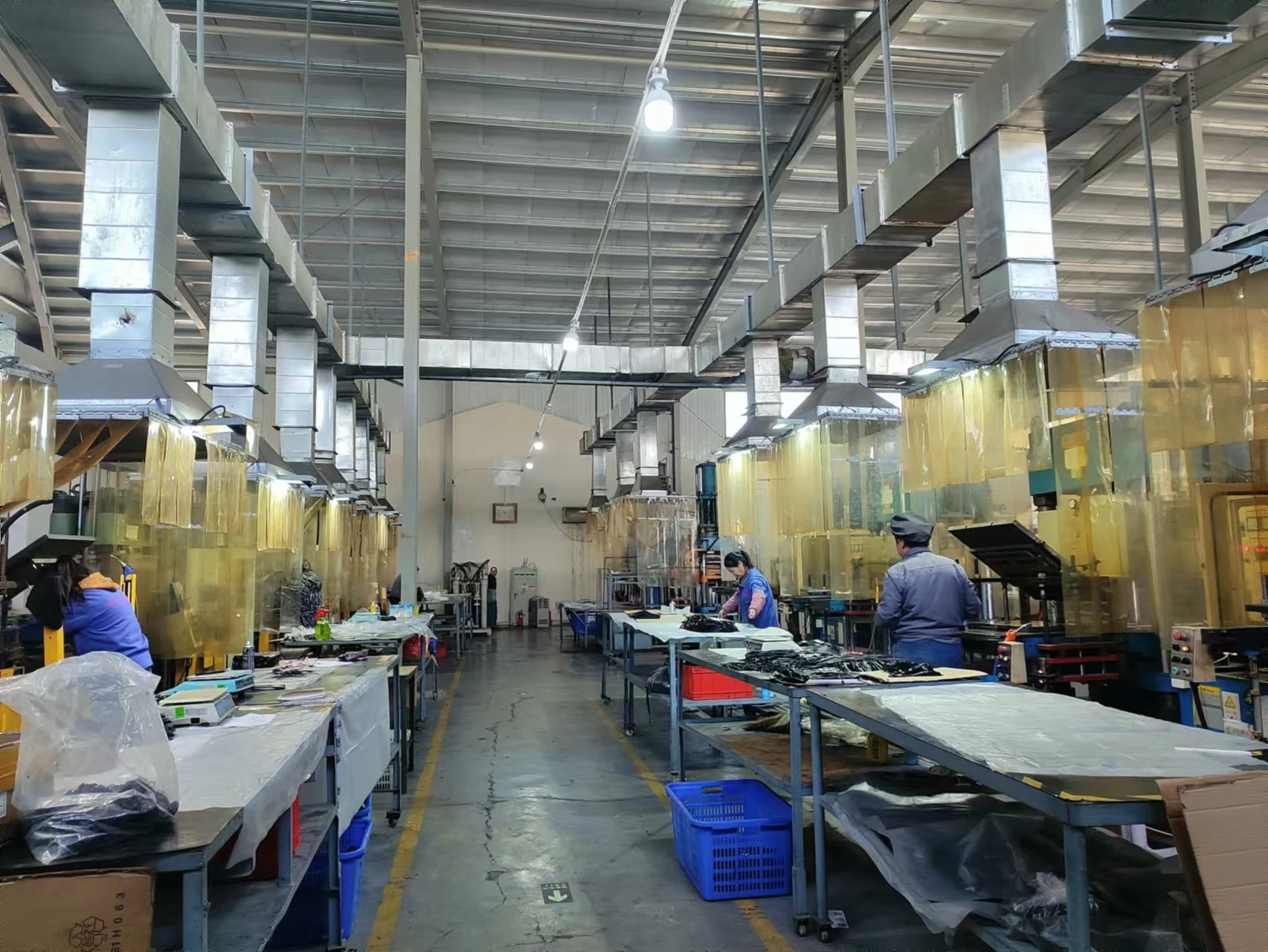
The core material for plastic clad wheels is predominantly carbon steel (AISI 1045, 4140) or aluminum alloys (6061-T6, 7075-T6). Steel provides high load-bearing capacity and impact resistance, while aluminum offers a lighter weight alternative. The cladding material is typically a thermoplastic polymer, with Polyurethane (PU), Nylon (Polyamide 6, Polyamide 66), Polypropylene (PP), and High-Density Polyethylene (HDPE) being the most common choices. PU offers excellent abrasion resistance and elasticity, ideal for applications requiring shock absorption. Nylons exhibit high tensile strength and wear resistance, suitable for demanding environments. PP and HDPE are cost-effective options offering good chemical resistance. The manufacturing process commonly involves either overmolding or bonding. Overmolding injects molten polymer directly onto the heated core, creating a mechanical interlock and chemical bond. This process demands precise temperature control (typically 180-250°C for PU, 230-280°C for Nylon) and injection pressures to ensure complete encapsulation and void-free bonding. Bonding utilizes adhesive systems, often epoxy or polyurethane-based, applied to prepared core surfaces. Surface preparation typically includes grit blasting to enhance adhesion. Critical parameters include adhesive viscosity, application thickness, curing temperature (typically 80-120°C for epoxies), and pressure during the curing cycle. The chemical compatibility between the core material, cladding polymer, and adhesive (if used) must be rigorously assessed to prevent degradation and bond failure. Material characterization techniques like Differential Scanning Calorimetry (DSC) and Thermogravimetric Analysis (TGA) are employed to confirm polymer composition and thermal stability.
Performance & Engineering
Performance of plastic clad wheels is governed by several key engineering considerations. Static load capacity is determined by the core material’s yield strength and the cladding’s resistance to deformation. Dynamic load capacity is further influenced by the polymer’s damping characteristics and fatigue resistance. Force analysis, utilizing Finite Element Analysis (FEA), is crucial in optimizing wheel geometry and material selection for specific load conditions. Environmental resistance is a critical factor. UV exposure can degrade many polymers, leading to embrittlement and cracking. Chemical exposure (oils, solvents, acids) can cause swelling, softening, or chemical attack. Operating temperature ranges dictate polymer selection; exceeding the glass transition temperature (Tg) can lead to significant loss of mechanical properties. Compliance requirements vary by industry. In food processing applications, the cladding material must comply with FDA regulations regarding food contact safety. In explosive atmospheres, wheels must be electrically conductive to prevent static discharge. Coefficient of restitution, a measure of elasticity, impacts rolling resistance and noise generation. A higher coefficient results in lower rolling resistance but potentially higher noise levels. The cladding layer’s thickness directly influences both wear resistance and impact absorption; a thicker layer provides increased protection but also adds weight and cost. Understanding the interplay between these factors is essential for designing plastic clad wheels that meet specific application demands.
Technical Specifications
| Parameter | Steel Core (AISI 1045) | Nylon 6 Cladding | Polyurethane Cladding | Unit |
|---|---|---|---|---|
| Tensile Strength | 570 MPa | 80 MPa | 60 MPa | MPa |
| Hardness (Shore D) | 40 HRC | 70 | 85 | - |
| Impact Strength (Izod Notched) | 20 J | 60 J | 80 J | J |
| Operating Temperature Range | -40 to 120 °C | -30 to 80 °C | -20 to 90 °C | °C |
| Coefficient of Friction (Steel on Polymer) | 0.6 | 0.4 | 0.3 | - |
| Maximum Static Load | 5000 N | Dependent on cladding thickness; typically 2000-4000 N | Dependent on cladding thickness; typically 1500-3000 N | N |
Failure Mode & Maintenance
Plastic clad wheels are susceptible to several failure modes. Fatigue cracking in the steel core can occur under cyclical loading, especially around stress concentration points. Delamination, the separation of the polymer cladding from the core, is a common issue arising from inadequate adhesion or thermal stress. Polymer degradation, caused by UV exposure, chemical attack, or high temperatures, leads to embrittlement and reduced performance. Abrasion wear, particularly in abrasive environments, causes gradual material loss from the cladding surface. Oxidation of the polymer can also contribute to degradation. Maintenance strategies include regular visual inspection for signs of cracking, delamination, or wear. Cleaning with mild detergent and water is recommended to remove contaminants. Avoidance of harsh chemicals or abrasive cleaners is crucial. In case of minor delamination, epoxy adhesive can be used for localized repair, provided the damaged area is thoroughly cleaned and prepared. Lubrication of the wheel bearing is essential for smooth operation and preventing premature wear. If the core material exhibits fatigue cracking, wheel replacement is necessary. Preventative measures involve selecting appropriate polymer materials for the intended application, ensuring proper surface preparation during bonding or overmolding, and implementing regular inspection and maintenance schedules. Consideration should be given to protecting the wheels from direct sunlight and harsh chemicals when not in use.
Industry FAQ
Q: What factors should I consider when selecting between a Nylon and Polyurethane cladding for a heavy-duty conveyor wheel?
A: For heavy-duty conveyors, consider the abrasive nature of the conveyed material. Polyurethane offers superior abrasion resistance, extending wheel life in abrasive environments. However, Nylon generally has a higher tensile strength and load-bearing capacity. If the load is consistently high and the material isn’t highly abrasive, Nylon might be preferred. Cost is also a factor; Polyurethane is typically more expensive. Conducting wear tests with your specific material is highly recommended.
Q: How can I ensure a robust bond between the steel core and the plastic cladding during the manufacturing process?
A: Proper surface preparation of the steel core is paramount. Grit blasting to achieve a surface profile of 25-50 micrometers is standard practice. Select an adhesive compatible with both the steel and the polymer. Epoxy adhesives generally provide excellent adhesion to steel, while polyurethane adhesives bond well with a wider range of polymers. Precise control of curing temperature and pressure is also crucial. Perform adhesion testing (e.g., pull-off tests) to verify bond strength.
Q: What are the implications of operating plastic clad wheels in high-temperature environments?
A: Elevated temperatures can significantly reduce the mechanical properties of the polymer cladding. Consider the glass transition temperature (Tg) of the chosen polymer. Operating above Tg leads to softening, reduced strength, and increased wear. For high-temperature applications, select polymers with high Tg values or explore reinforced polymers with improved thermal stability. Monitoring wheel temperature during operation is recommended.
Q: How does UV exposure affect the long-term performance of plastic clad wheels used outdoors?
A: Prolonged UV exposure causes polymer degradation, leading to discoloration, embrittlement, and cracking. Adding UV stabilizers to the polymer formulation is essential for outdoor applications. Alternatively, consider using polymers inherently resistant to UV degradation, such as fluoropolymers, although these are more expensive. Protective coatings can also be applied to shield the polymer from UV radiation.
Q: What testing should be performed to validate the performance of plastic clad wheels before deployment in a critical application?
A: Comprehensive testing should include static and dynamic load testing, abrasion resistance testing (e.g., Taber abrasion test), chemical resistance testing (immersion testing), and environmental aging tests (UV exposure, temperature cycling). Finite Element Analysis (FEA) can be used to simulate stress distribution under various load conditions. Non-destructive testing methods like ultrasonic inspection can detect internal flaws or delamination.
Conclusion
Plastic clad wheels offer a compelling solution where a balance of load-bearing capacity, surface protection, and specific performance characteristics are required. The successful implementation of these wheels hinges on a thorough understanding of material science principles, precise manufacturing controls, and careful consideration of operational environments. The choice of core material, cladding polymer, and bonding technique must be tailored to the specific application demands, factoring in load requirements, temperature, chemical exposure, and UV radiation.
Ongoing monitoring, preventative maintenance, and adherence to industry standards are crucial for maximizing the lifespan and reliability of plastic clad wheels. Future developments will likely focus on advanced polymer formulations with improved wear resistance, thermal stability, and UV protection, as well as the integration of smart sensing technologies for real-time performance monitoring and predictive maintenance.