
Introduction
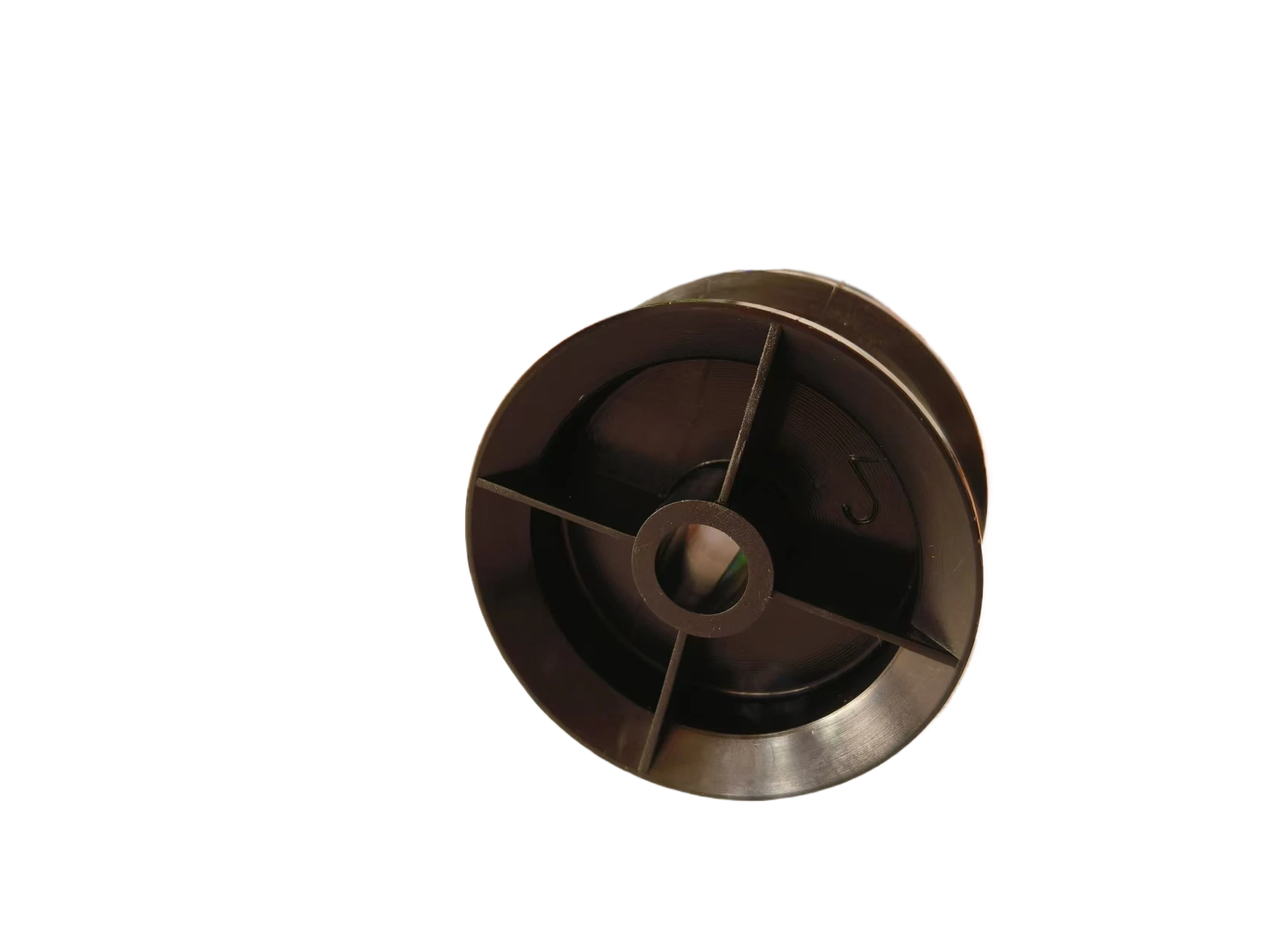
Plastic wheels are ubiquitous components in a vast range of industrial and commercial applications, serving as critical elements in material handling, transportation, and automated systems. This guide provides a comprehensive technical overview of plastic wheel manufacturing, encompassing material science, production methodologies, performance characteristics, failure analysis, and relevant industry standards. Unlike traditional metal wheels, plastic wheels offer advantages in weight reduction, corrosion resistance, noise dampening, and cost-effectiveness. However, their performance is fundamentally tied to the selection of appropriate polymer materials, precise molding processes, and a thorough understanding of their mechanical and environmental limitations. The core pain points within the industry revolve around balancing load capacity, wear resistance, and long-term durability, particularly in demanding applications involving exposure to chemicals, temperature extremes, and repetitive stress. Achieving consistent quality and minimizing premature failure are paramount concerns for both manufacturers and end-users.
Material Science & Manufacturing
The selection of polymer material is the foundational element in plastic wheel manufacturing. Common materials include Polypropylene (PP), Polyethylene (PE), Polyvinyl Chloride (PVC), Polyurethane (PU), Nylon (Polyamide 6 & 66), and Acrylonitrile Butadiene Styrene (ABS). PP and PE are favored for their low cost and good chemical resistance, but exhibit lower strength and temperature resistance. PVC offers good abrasion resistance but can become brittle at low temperatures. PU provides exceptional wear resistance and load capacity, often used in heavy-duty applications, although it can be susceptible to hydrolysis. Nylon boasts high tensile strength and good impact resistance, making it suitable for demanding environments. ABS provides a balance of properties, offering good impact strength and rigidity. Manufacturing processes primarily involve injection molding. This process requires precise control of mold temperature (typically 80-250°C depending on the polymer), injection pressure (ranging from 50-200 MPa), and cooling rates. Proper venting of the mold is crucial to prevent voids and ensure complete filling. Material shrinkage rates (0.5-2.5% depending on the polymer) must be accurately accounted for in mold design. For larger diameter wheels, rotational molding can be employed, offering cost-effectiveness but generally yielding lower precision and mechanical properties. Post-molding operations may include deburring, surface finishing (polishing, painting), and insertion of bearings or other hardware. Parameter control during injection molding, including melt temperature, mold temperature, and cooling time, directly impacts the crystallinity of the polymer, thus influencing its mechanical strength and dimensional stability.

Performance & Engineering
The performance of plastic wheels is governed by several key engineering considerations. Load capacity is dictated by the material's flexural modulus and the wheel’s geometry. Finite Element Analysis (FEA) is commonly employed to simulate stress distribution under load and optimize wheel design to prevent deformation or failure. Wear resistance is a critical factor, particularly in abrasive environments. The Taber abrasion test (ASTM D1044) is frequently used to quantify wear rates. Environmental resistance is another important aspect. Exposure to UV radiation can cause polymer degradation, leading to embrittlement and discoloration. UV stabilizers are often incorporated into the polymer formulation to mitigate this effect. Chemical resistance must be considered when wheels are used in contact with solvents, oils, or acids. Compatibility charts should be consulted to ensure the chosen polymer is resistant to the specific chemicals encountered in the application. Coefficient of friction is important for rolling resistance and traction. Lubrication, or the use of low-friction polymers, can minimize rolling resistance and improve efficiency. Dynamic loading (repetitive impact) can lead to fatigue failure, necessitating careful material selection and design to withstand cyclical stresses. Compliance requirements vary by industry. For example, wheels used in food processing applications must comply with FDA regulations regarding material safety and hygiene.
Technical Specifications
| Material | Tensile Strength (MPa) | Hardness (Shore D) | Operating Temperature (°C) | Coefficient of Friction (Static) | Maximum Load Capacity (kg) - 100mm Diameter |
|---|---|---|---|---|---|
| Polypropylene (PP) | 20-30 | 60-70 | -20 to 80 | 0.15-0.25 | 50 |
| Polyethylene (PE) | 15-25 | 50-60 | -40 to 60 | 0.10-0.20 | 40 |
| Polyvinyl Chloride (PVC) | 50-70 | 75-85 | -10 to 60 | 0.20-0.30 | 80 |
| Polyurethane (PU) | 80-120 | 70-95 | -30 to 90 | 0.30-0.40 | 200 |
| Nylon 6 | 60-90 | 70-80 | -30 to 80 | 0.35-0.45 | 150 |
| Acrylonitrile Butadiene Styrene (ABS) | 35-50 | 85-95 | -20 to 85 | 0.25-0.35 | 60 |
Failure Mode & Maintenance
Plastic wheels are susceptible to several failure modes. Fatigue cracking can occur under cyclic loading, particularly around stress concentration points such as bearing seats or mounting holes. Delamination can occur in composite wheels or wheels with surface coatings, caused by poor adhesion or environmental exposure. Creep, or time-dependent deformation under sustained load, is common in polymers with lower modulus. Oxidation can lead to embrittlement and loss of mechanical properties, especially at elevated temperatures. UV degradation, as previously mentioned, causes discoloration and reduced strength. Wear, in the form of abrasion or erosion, reduces wheel diameter and compromises performance. Maintenance involves regular inspection for cracks, delamination, or excessive wear. Lubrication of bearings is critical to minimize friction and prevent premature failure. Cleaning wheels to remove contaminants, such as dirt, grease, or chemicals, can prolong their lifespan. When replacing wheels, it is crucial to select a material and design that are appropriate for the specific application and operating conditions. Preventative maintenance schedules should be implemented based on the severity of the application and the expected operating life.
Industry FAQ
Q: What is the impact of load distribution on the lifespan of a plastic wheel?
A: Uneven load distribution significantly reduces the lifespan of a plastic wheel. Concentrated loads create stress concentrations that accelerate fatigue cracking and wear. Proper mounting and alignment are critical to ensure even load distribution. Using wheels with a larger diameter and wider contact area can also help distribute the load more effectively.
Q: How does temperature affect the performance of polyurethane wheels?
A: Polyurethane wheels exhibit temperature sensitivity. High temperatures can reduce their load capacity and increase their susceptibility to creep. Low temperatures can cause them to become brittle and prone to cracking. Selecting a PU formulation with appropriate temperature resistance for the application is crucial.
Q: What are the advantages of using nylon wheels over polypropylene wheels in a corrosive environment?
A: Nylon possesses superior chemical resistance compared to polypropylene. While PP is resistant to many acids and bases, nylon offers better resistance to a wider range of solvents, oils, and chemicals. This makes nylon a more suitable choice in corrosive environments where prolonged exposure could degrade the polypropylene.
Q: How can I minimize wear on plastic wheels used in abrasive applications?
A: Utilizing harder polymer materials (e.g., PU, Nylon) with higher abrasion resistance is the first step. Applying surface coatings, such as ceramic-filled polymers, can further enhance wear resistance. Regular inspection and replacement of worn wheels are essential. Optimizing the application to minimize abrasive contact, if possible, can also extend wheel life.
Q: What is the significance of the Shore D hardness rating when selecting a plastic wheel?
A: The Shore D hardness rating indicates the wheel’s resistance to indentation. A higher Shore D rating signifies a harder material, which generally translates to better wear resistance and load capacity. However, harder materials can be less resilient and more prone to cracking under impact. The optimal hardness depends on the specific application requirements.
Conclusion
The selection and implementation of plastic wheels require a comprehensive understanding of material science, manufacturing processes, and engineering principles. Balancing factors like load capacity, wear resistance, environmental compatibility, and cost-effectiveness is paramount. Proper material selection, precise molding control, and consistent quality assurance are critical for maximizing wheel performance and longevity.
Future advancements in plastic wheel technology will likely focus on the development of new polymer formulations with enhanced properties, such as increased temperature resistance, improved UV stability, and self-lubricating capabilities. Furthermore, the integration of sensors and data analytics will enable predictive maintenance and optimize wheel performance in real-time. Adhering to established industry standards and conducting thorough failure analysis will remain essential for ensuring the reliable operation of plastic wheel systems across diverse industrial applications.