
Introduction
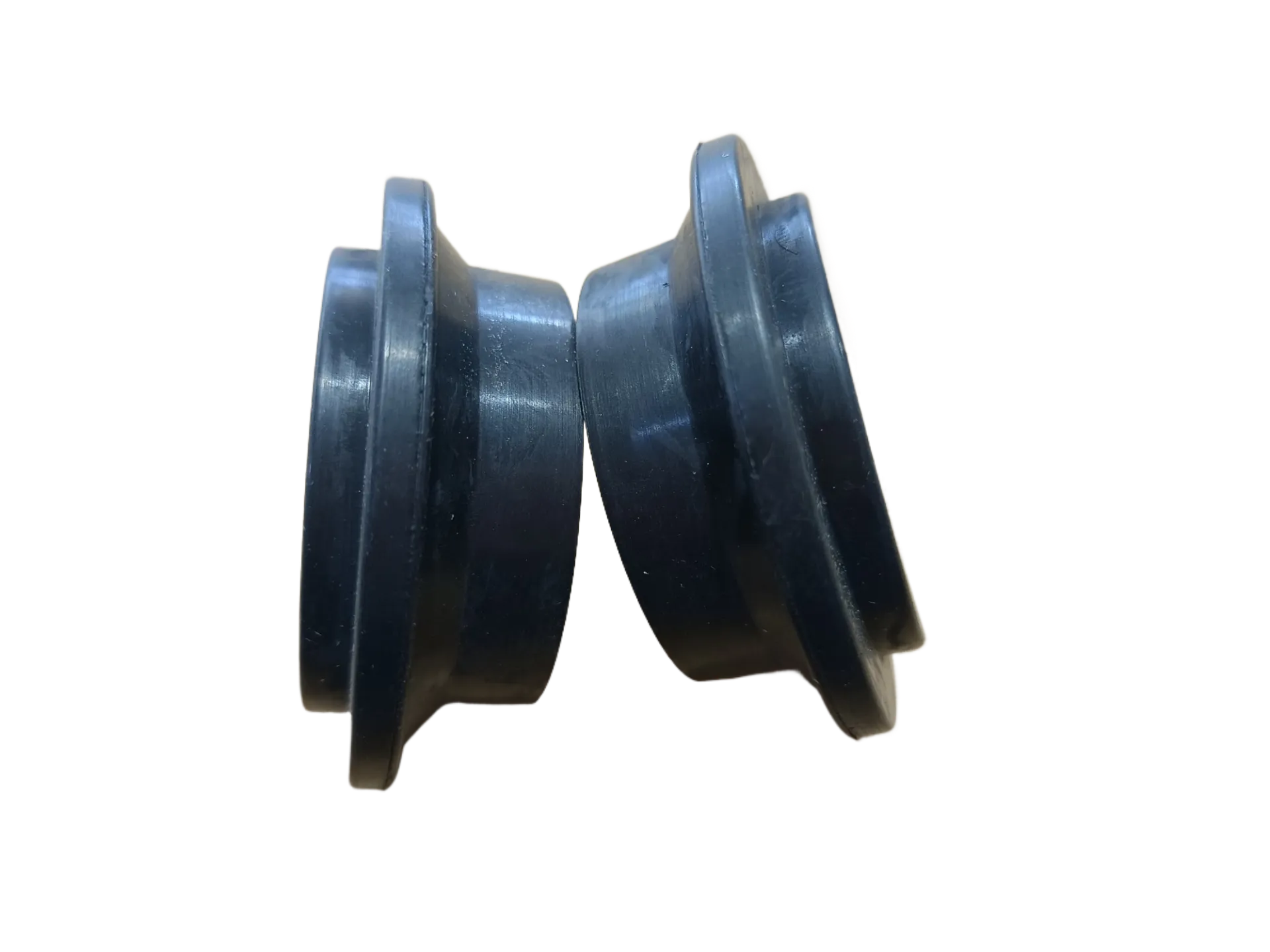
Rubber hose connectors are critical components in fluid transfer systems across a vast range of industries, including automotive, agriculture, industrial processing, and construction. These connectors facilitate the secure and leak-proof joining of flexible rubber hoses to fittings, equipment, or other hoses. They are not merely mechanical fasteners, but engineered interfaces demanding careful material selection and design to ensure compatibility with the conveyed media, operating pressures, temperatures, and environmental conditions. The technical position of a rubber hose connector lies at the interface between hose technology (compounding, extrusion, reinforcement) and connection technology (fitting design, sealing principles). Core performance characteristics revolve around pressure retention, chemical resistance, temperature stability, and the prevention of fluid leakage, all while maintaining mechanical integrity under dynamic loading and vibration. Failure in these areas can lead to significant operational downtime, environmental hazards, and safety concerns.
Material Science & Manufacturing
Rubber hose connectors are commonly manufactured using a combination of materials, primarily elastomers and metals. The elastomer component, typically a synthetic rubber such as Ethylene Propylene Diene Monomer (EPDM), Nitrile Butadiene Rubber (NBR), or Chloroprene Rubber (CR, Neoprene), provides the sealing function and flexibility. EPDM offers excellent resistance to weathering, ozone, and heat, making it suitable for automotive coolant systems and outdoor applications. NBR excels in oil and fuel resistance, ideal for hydraulic systems and fuel lines. CR provides a balance of properties, including resistance to oil, weathering, and abrasion. The metal component, often stainless steel, carbon steel (with protective coatings), or brass, provides the structural integrity and mechanical strength for secure connection.
Manufacturing processes vary depending on the connector type and complexity. For simple crimped connectors, the rubber is molded around a metal ferrule, often using compression molding or transfer molding. Critical parameters include mold temperature, curing time, and compression force, all of which impact the rubber’s crosslink density and mechanical properties. More complex connectors may involve injection molding of the rubber component, allowing for intricate designs and tight tolerances. Metal components are often produced via stamping, machining, or casting. Surface treatments, such as galvanizing or passivation (for stainless steel), are applied to enhance corrosion resistance. Crimping, a crucial step in assembly, requires precise control of crimp height, ovality, and force to ensure a leak-proof seal without damaging the hose or connector. Non-destructive testing (NDT) methods, such as visual inspection, dye penetrant testing, and ultrasonic testing, are employed to verify the integrity of the crimp and identify potential defects. Proper vulcanization of the rubber compound is also paramount; insufficient curing results in low tensile strength and poor elasticity, while over-curing leads to brittleness and reduced elongation.
Performance & Engineering
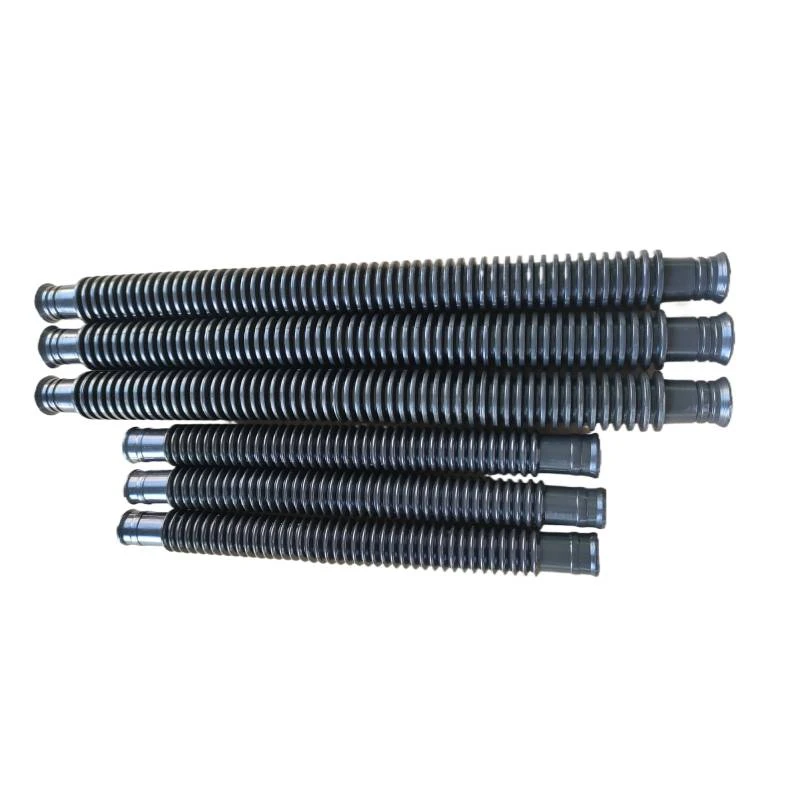
The performance of a rubber hose connector is governed by several engineering principles. Pressure rating, often expressed in PSI or Bar, is a primary consideration. This is dictated by the connector's geometry, material strength (both rubber and metal), and the integrity of the crimp. Finite Element Analysis (FEA) is frequently used to model the stress distribution within the connector under various pressure loads and identify potential failure points. Burst pressure testing, conducted to industry standards (see Section 7), confirms the connector’s ability to withstand extreme pressure without rupture.
Environmental resistance is another critical aspect. Exposure to UV radiation, ozone, extreme temperatures, and corrosive fluids can degrade the rubber material, leading to cracking, swelling, or loss of elasticity. Material selection must account for these factors. For instance, hoses used in automotive applications are designed to withstand exposure to engine oil, coolant, and road salts. Fatigue resistance is crucial in applications involving vibration or pulsating pressures. Repeated stress cycles can lead to fatigue cracking, particularly at the crimp interface. Connector design should minimize stress concentrations and promote uniform load distribution. Furthermore, compliance with industry-specific regulations is essential. For example, automotive hose connectors must meet stringent safety standards related to fuel line integrity and leak prevention. Static and dynamic sealing performance is assessed through leak testing using air, water, or the specific fluid the connector will convey. Leakage rates are often specified in terms of volume per unit time. Finally, the connector's ability to maintain a reliable seal over its service life must be considered, necessitating accelerated aging tests to simulate long-term exposure to operating conditions.
Technical Specifications
| Parameter | Typical Value (EPDM/Stainless Steel) | Typical Value (NBR/Carbon Steel) | Testing Standard |
|---|---|---|---|
| Pressure Rating (PSI) | 500-1500 | 300-1000 | SAE J2044 |
| Temperature Range (°C) | -40 to +150 | -30 to +120 | ASTM D2000 |
| Tensile Strength (Rubber, MPa) | 10-20 | 8-15 | ASTM D412 |
| Elongation at Break (%) | 300-500 | 200-400 | ASTM D412 |
| Hardness (Shore A) | 60-80 | 50-70 | ASTM D2240 |
| Fluid Compatibility | Water, Coolant, Brake Fluid | Oil, Fuel, Hydraulic Fluid | SAE J1757 |
Failure Mode & Maintenance
Rubber hose connectors are susceptible to several failure modes. Crimped connections can fail due to insufficient crimp force, leading to leakage. Corrosion of the metal component, particularly in carbon steel connectors without adequate coating, can weaken the structure and cause failure. Rubber degradation, caused by exposure to UV radiation, ozone, heat, or incompatible fluids, results in cracking, hardening, and loss of sealing capability. Fatigue cracking can occur at the crimp interface due to repeated stress cycles. Delamination between the rubber and metal components can compromise the seal. Oxidation of the rubber material, especially at elevated temperatures, leads to embrittlement and reduced elasticity. A common failure analysis approach involves visual inspection for cracks, swelling, or corrosion. Destructive testing, such as tensile testing and burst pressure testing, can quantify the remaining strength of the connector. Scanning Electron Microscopy (SEM) can reveal the microstructure of the rubber and identify the root cause of degradation.
Preventative maintenance is crucial for extending the service life of rubber hose connectors. Regular visual inspections should be conducted to identify any signs of damage or degradation. Connectors exposed to corrosive environments should be periodically cleaned and inspected for corrosion. Lubrication of the connection point can prevent galling and facilitate disassembly. Hoses and connectors should be replaced at recommended intervals or when any signs of damage are detected. Proper storage conditions, away from direct sunlight, heat, and ozone sources, can minimize degradation. When replacing connectors, it's vital to ensure compatibility with the hose material and the conveyed fluid. Utilizing calibrated crimping tools and following manufacturer’s specifications are essential for ensuring a secure and leak-proof connection. Furthermore, documentation of maintenance activities and connector replacements is vital for tracking performance and identifying potential issues.
Industry FAQ
Q: What are the key differences between EPDM and NBR rubber in hose connector applications?
A: EPDM offers superior resistance to weathering, ozone, and heat, making it ideal for external applications and coolant systems. NBR provides excellent resistance to oils, fuels, and hydraulic fluids, making it the preferred choice for those environments. The selection depends heavily on the conveyed media and the operating environment. EPDM generally has lower oil resistance than NBR, while NBR’s weathering resistance isn’t as robust as EPDM's.
Q: How critical is the crimping process, and what parameters need to be controlled?
A: The crimping process is paramount. Incorrect crimping leads to leakage, connector failure, or hose damage. Key parameters include crimp height, ovality, crimp force, and the use of appropriate dies. Crimp force must be sufficient to create a secure seal but not so high as to damage the hose reinforcement. Regular calibration of crimping tools is essential.
Q: What methods can be used to assess the chemical compatibility of the rubber material with the conveyed fluid?
A: Immersion testing, where the rubber sample is exposed to the fluid for a specified period at a controlled temperature, is a common method. Changes in weight, hardness, and tensile strength are monitored. Fluid resistance charts are also available, but these should be verified with specific testing for the actual fluid composition.
Q: What are the typical failure modes associated with stainless steel connectors, and how can they be prevented?
A: While corrosion resistant, stainless steel connectors can suffer from pitting corrosion in chloride-rich environments, stress corrosion cracking, and galvanic corrosion when in contact with dissimilar metals. Prevention involves selecting appropriate stainless steel grades (e.g., 316), avoiding contact with incompatible metals, and applying protective coatings where necessary.
Q: What is the role of FEA in the design and validation of rubber hose connectors?
A: Finite Element Analysis (FEA) allows engineers to simulate the stress distribution within the connector under various operating conditions, such as pressure loading, temperature fluctuations, and vibration. This helps identify potential failure points, optimize the connector geometry, and validate the design before prototyping. It reduces the need for costly physical testing.
Conclusion
Rubber hose connectors, while seemingly simple components, represent a sophisticated intersection of material science, manufacturing precision, and engineering design. Their performance is critical for maintaining the integrity of fluid transfer systems across diverse industries. The selection of appropriate materials, coupled with rigorous control of manufacturing processes and adherence to relevant industry standards, are essential for ensuring long-term reliability and preventing catastrophic failures.
Future advancements in rubber hose connector technology are likely to focus on the development of new elastomer formulations with enhanced chemical resistance and temperature stability, as well as the implementation of smart monitoring systems that can detect early signs of degradation. Furthermore, the increasing demand for lightweight and sustainable materials will drive innovation in connector design and manufacturing, potentially leading to the adoption of bio-based rubbers and advanced molding techniques. Ongoing research in non-destructive testing will also play a crucial role in improving the reliability and safety of these critical components.