
Introduction
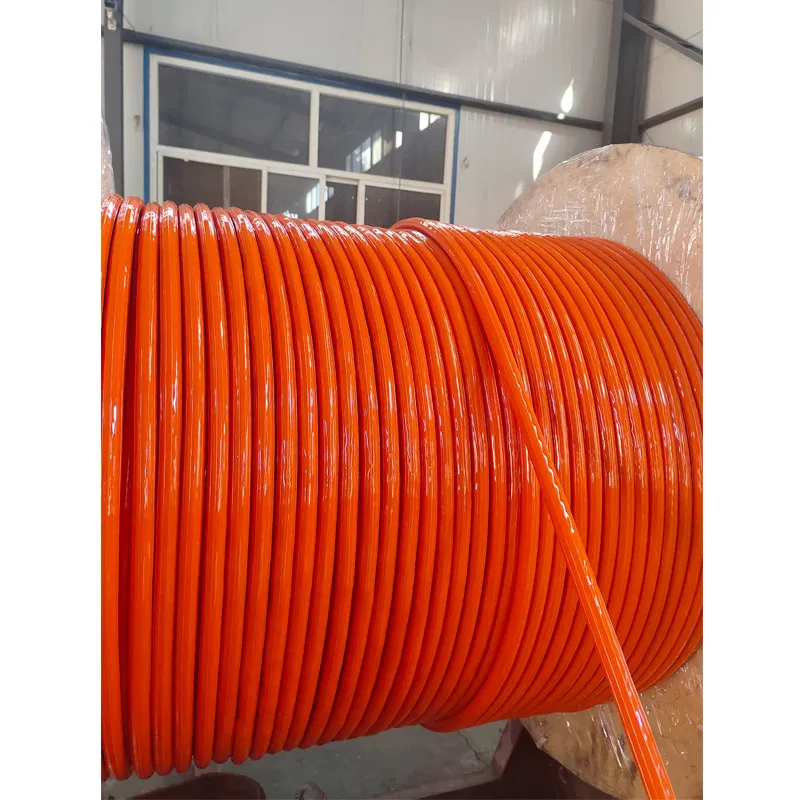
Smooth Wall High-Density Polyethylene (HDPE) pipe is a thermoplastic piping system utilized extensively across diverse industrial applications, including water distribution, sewer conveyance, gas transport, and industrial process piping. Its position within the broader piping industry is characterized by a balance of cost-effectiveness, durability, and ease of installation, offering a compelling alternative to traditional materials like ductile iron, steel, and concrete. HDPE pipe is produced through extrusion processes, offering consistent dimensions and properties. Core performance attributes include exceptional chemical resistance, high impact strength, leak-free joints via heat fusion, and a long service life exceeding 50 years. A primary industry pain point surrounds ensuring proper installation techniques to maintain the integrity of heat-fused joints and mitigating concerns regarding long-term creep behavior under sustained pressure, particularly in critical infrastructure applications.
Material Science & Manufacturing
HDPE pipe derives its properties from the polymerization of ethylene, resulting in a semi-crystalline thermoplastic with a high strength-to-density ratio. Raw material selection typically focuses on high-density polyethylene resins conforming to ASTM D3350 standards, categorized by cell classification (e.g., PE345434C, PE360832C) based on density and molecular weight distribution. Density, generally between 0.930 and 0.965 g/cm³, directly correlates with tensile strength and stiffness. Manufacturing predominantly employs extrusion techniques. The process begins with HDPE resin pellets being fed into an extruder, where they are melted and homogenized. This molten plastic is then forced through a die to form the pipe’s desired diameter and wall thickness. Key parameter control during extrusion includes maintaining precise temperature profiles along the extruder barrel (typically ranging from 120°C to 210°C), controlling the screw speed to ensure adequate mixing and melt homogeneity, and calibrating the die to achieve accurate dimensional tolerances. Cooling is crucial, often utilizing water baths to rapidly solidify the pipe while maintaining its shape. Post-extrusion, pipes undergo quality control checks including hydrostatic pressure testing (ASTM D1597) and dimensional verification to ensure compliance with industry standards. The semi-crystalline nature of HDPE leads to shrinkage during cooling, which must be carefully managed through die design and controlled cooling rates to prevent warping or ovality.
Performance & Engineering
The performance of smooth wall HDPE pipe is dictated by a complex interplay of mechanical stress, environmental factors, and the inherent material properties. Force analysis, particularly for buried pipelines, considers hydrostatic pressure, soil overburden pressure, live loads (traffic, structures), and potential external impacts. HDPE exhibits a significant creep component; sustained pressure over long periods can lead to slow, time-dependent deformation. This creep behavior is temperature-dependent, accelerating at higher temperatures. Engineering design must account for this by appropriately sizing the pipe wall thickness and implementing stress relief features where necessary. Environmental resistance is a key strength of HDPE. It demonstrates excellent resistance to a broad spectrum of chemicals, including acids, bases, and solvents, making it suitable for industrial applications. However, prolonged exposure to ultraviolet (UV) radiation can cause degradation, necessitating the use of UV stabilizers or protective coatings. HDPE pipe systems utilize heat fusion joining methods, primarily butt fusion, socket fusion, and electrofusion. These methods create a homogenous weld, offering superior strength and leak-free performance compared to mechanical joints. Compliance requirements vary by region and application, but generally adhere to standards such as AWWA standards for water distribution, ASTM F480 for gas transport, and local building codes. Fatigue resistance is also important, particularly in applications subject to cyclical pressure or ground movement.
Technical Specifications
| Parameter | Units | Typical Value (IPS - Iron Pipe Size) | Test Standard |
|---|---|---|---|
| Pressure Rating | psi | 100 - 200 (dependent on SDR) | ASTM D1597 |
| SDR (Standard Dimension Ratio) | - | 6.3, 10.5, 17.6 | ASTM D2239 |
| Density | g/cm³ | 0.930 – 0.965 | ASTM D1505 |
| Tensile Strength at Yield | psi | 4,000 - 6,000 | ASTM D638 |
| Elongation at Break | % | 300 – 500 | ASTM D638 |
| Operating Temperature Range | °F | -40 to 140 | ASTM D1597 |
Failure Mode & Maintenance
Several failure modes can affect the long-term integrity of smooth wall HDPE pipe. Slow Crack Growth (SCG) is a significant concern, particularly in environments with sustained tensile stress and the presence of certain surfactants. SCG initiates at stress concentrators (e.g., scratches, gouges) and propagates slowly through the material. Fatigue cracking can occur under cyclical loading, such as from ground movement or water hammer events. Delamination can occur if improper fusion techniques are employed during jointing, creating weak interfaces susceptible to failure. Oxidation, while generally slow, can occur with prolonged exposure to elevated temperatures and oxidizing agents, leading to embrittlement. UV degradation causes surface chalking and loss of mechanical properties. Maintenance focuses on preventative measures. Regular visual inspections should be conducted to identify signs of damage, such as cracks, deformations, or discoloration. Pressure testing can verify the integrity of the system. For SCG mitigation, avoid using incompatible lubricants during installation and ensure proper bedding and backfill to minimize stress on the pipe. For corrosion protection, consider protective coatings in harsh chemical environments. Joint integrity should be periodically assessed, particularly for critical pipelines. Repair options typically involve cut-and-replace sections utilizing heat fusion techniques.
Industry FAQ
Q: What are the primary advantages of HDPE pipe over ductile iron for water distribution?
A: HDPE offers several advantages including lower weight, superior corrosion resistance (eliminating the need for costly coatings), leak-free joints through heat fusion, and greater flexibility allowing for installation in challenging terrains with minimal disruption. While ductile iron has higher tensile strength, HDPE's inherent flexibility often provides greater long-term performance in dynamic soil conditions.
Q: How does temperature affect the long-term performance of HDPE pipe?
A: Elevated temperatures accelerate creep deformation and can reduce the long-term hydrostatic strength of HDPE. Lower temperatures can increase brittleness, particularly during installation. Design calculations must account for the expected operating temperature range, and appropriate derating factors should be applied to pressure ratings.
Q: What are the critical parameters to control during butt fusion joining?
A: Key parameters include ensuring proper surface cleanliness and preparation, maintaining accurate alignment of the pipe ends, controlling the heating temperature and time (typically 130-140°C for a specific duration based on pipe size), applying consistent fusion pressure, and allowing sufficient cooling time before stress is applied to the joint.
Q: What is the impact of soil corrosivity on HDPE pipe?
A: HDPE is inherently resistant to most forms of soil corrosion, unlike metallic pipes. However, highly acidic or alkaline soils can potentially degrade the pipe over extremely long periods. Proper bedding and backfill materials can help mitigate these effects.
Q: Can HDPE pipe be used in high-pressure gas transmission applications?
A: Yes, HDPE pipe is widely used in gas distribution networks and can be suitable for certain gas transmission applications depending on the pressure rating, pipe size, and regulatory requirements. Specifically formulated HDPE compounds and stringent quality control are essential for these applications, as defined by standards like ASTM F480.
Conclusion
Smooth wall HDPE pipe represents a robust and versatile solution for a wide range of industrial piping applications. Its inherent properties – high chemical resistance, excellent impact strength, and ease of installation – provide a compelling alternative to traditional materials. However, a thorough understanding of its material behavior, particularly creep and susceptibility to SCG, is crucial for ensuring long-term reliability. Proper design considerations, meticulous installation practices, and adherence to relevant industry standards are paramount.
Looking forward, continued advancements in HDPE resin technology, coupled with improved fusion techniques and non-destructive testing methods, will further enhance the performance and expand the application scope of HDPE piping systems. Furthermore, ongoing research into mitigating SCG and optimizing design for creep resistance will contribute to greater confidence in the long-term durability of these critical infrastructure components.