
Introduction
White plastic wheels, commonly fabricated from polymers like polypropylene (PP), polyethylene (PE), nylon, or acetal, represent a ubiquitous component across diverse industrial and consumer applications. Their primary function is to facilitate motion and load-bearing within systems ranging from material handling equipment and furniture to medical devices and robotics. Unlike metallic wheel solutions, plastic wheels offer advantages in corrosion resistance, reduced noise, and lower cost. This guide provides an in-depth technical assessment of white plastic wheels, covering material science, manufacturing processes, performance characteristics, failure modes, and relevant industry standards. A key industry pain point revolves around selecting the appropriate plastic material to withstand specific load, temperature, and chemical exposure conditions, alongside ensuring dimensional stability and long-term durability. Achieving optimal performance necessitates a comprehensive understanding of the interplay between polymer properties and operational demands.
Material Science & Manufacturing
The selection of the plastic material dictates the wheel's ultimate properties. Polypropylene (PP) offers good chemical resistance and low cost, but has lower strength and temperature resistance. Polyethylene (PE), particularly High-Density Polyethylene (HDPE), improves strength over PP and boasts excellent impact resistance. Nylon (Polyamide 6 or 66) provides superior wear resistance and strength, suitable for heavier loads and higher speeds, but absorbs moisture, potentially affecting dimensional stability. Acetal (Polyoxymethylene, POM) offers excellent stiffness, low friction, and dimensional stability, making it ideal for precision applications.
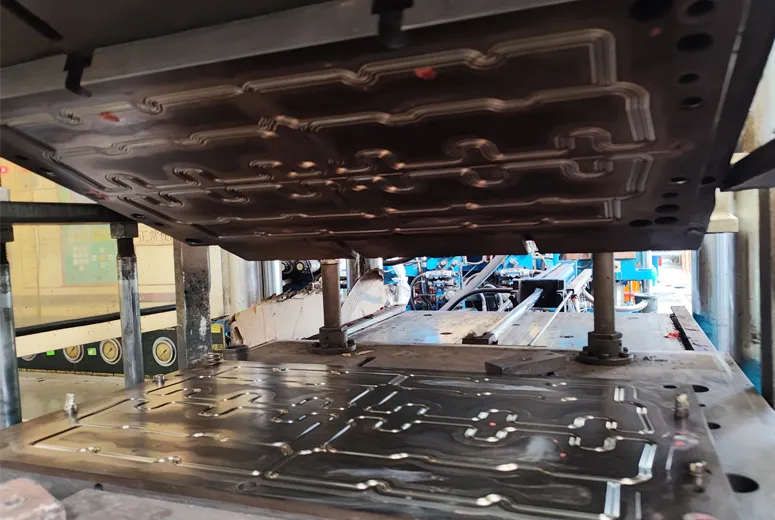
Manufacturing processes vary based on wheel complexity and volume. Injection molding is dominant for high-volume production, allowing for intricate designs and tight tolerances. The process involves injecting molten plastic into a closed mold, where it cools and solidifies. Key parameters include melt temperature, mold temperature, injection pressure, and cooling time. Proper control of these parameters is crucial to minimize warpage, sink marks, and residual stresses. Extrusion followed by machining is utilized for larger diameter wheels or custom designs. Thermoforming is less common but suitable for simpler wheel geometries. Post-processing often includes deburring, surface finishing (e.g., polishing), and potentially surface coating to enhance wear resistance or UV stability. The whiteness of the wheel is often achieved through the addition of titanium dioxide (TiO2) to the plastic resin during the molding process; the concentration of TiO2 directly impacts the opacity and UV resistance.
Performance & Engineering
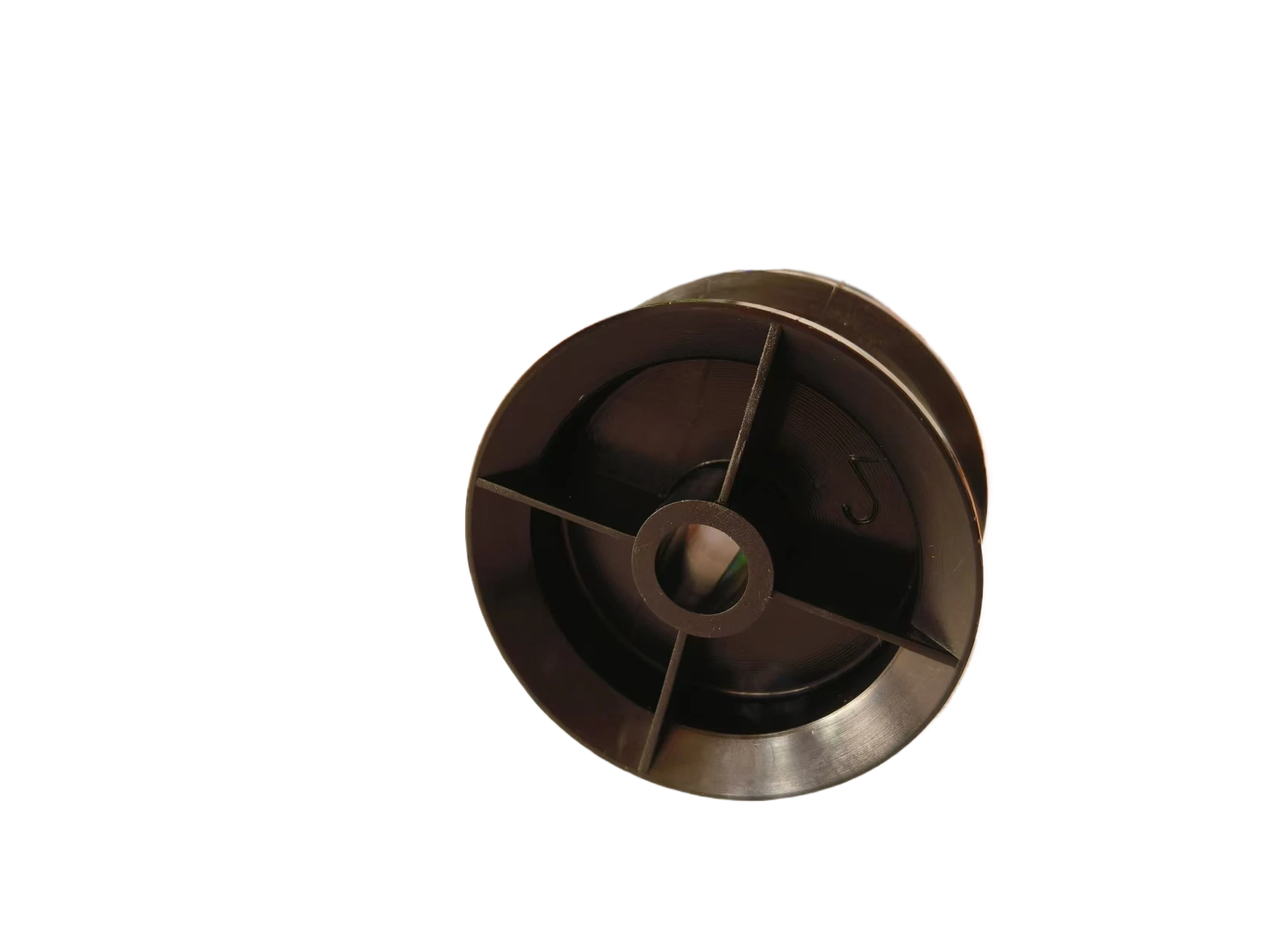
Performance evaluation necessitates consideration of static and dynamic load capacities, wear resistance, coefficient of friction, and environmental resistance. Static load capacity refers to the maximum load the wheel can support without permanent deformation. Dynamic load capacity, more critical in many applications, defines the maximum load it can sustain during continuous movement. Wear resistance is directly related to the plastic material; nylon and acetal exhibit superior wear resistance compared to PP and PE. The coefficient of friction influences rolling resistance and energy efficiency. Environmental resistance encompasses factors like temperature, humidity, UV exposure, and chemical exposure.
Engineering analysis involves stress analysis, particularly finite element analysis (FEA), to predict wheel deformation and stress distribution under load. This analysis informs material selection and design optimization. For high-speed applications, dynamic balancing is essential to minimize vibration and ensure smooth operation. Compliance requirements often dictate specific material certifications (e.g., FDA compliance for food contact applications, RoHS compliance for restricted substances). In applications involving electrical conductivity, specialized formulations incorporating conductive fillers are employed to dissipate static electricity.
Technical Specifications
| Material | Hardness (Shore D) | Tensile Strength (MPa) | Operating Temperature (°C) |
|---|---|---|---|
| Polypropylene (PP) | 60-70 | 20-30 | -20 to 80 |
| Polyethylene (HDPE) | 65-75 | 30-40 | -40 to 60 |
| Nylon 6 | 70-85 | 60-80 | -30 to 80 |
| Nylon 66 | 75-90 | 70-90 | -20 to 100 |
| Acetal (POM) | 80-95 | 70-85 | -40 to 80 |
| Reinforced Nylon 66 (Glass Filled) | 85-95 | 100-120 | -20 to 120 |
Failure Mode & Maintenance
Common failure modes include wear, cracking, fatigue failure, and environmental degradation. Wear arises from abrasive contact, leading to material loss. Cracking can result from stress concentrations, impact damage, or material defects. Fatigue failure occurs under cyclic loading, leading to progressive crack growth. Environmental degradation encompasses UV-induced embrittlement, chemical attack, and hydrolysis (particularly for nylon).
Maintenance strategies focus on regular inspection for wear, cracks, or deformation. Lubrication can reduce friction and wear. For nylon wheels operating in humid environments, periodic drying may be necessary to mitigate moisture absorption. Preventative measures include selecting appropriate materials for the application environment, avoiding overloading, and ensuring proper mounting and alignment. Failure analysis often involves microscopic examination of fractured surfaces to determine the root cause of failure. If cracking is observed, replacement is crucial to prevent catastrophic failure. For applications with high contamination levels, regular cleaning of the wheel surfaces can extend their lifespan.
Industry FAQ
Q: What is the impact of moisture absorption on nylon wheels?
A: Nylon is hygroscopic, meaning it absorbs moisture from the environment. This absorption causes dimensional changes (swelling) and a reduction in mechanical properties, particularly tensile strength and stiffness. In applications where dimensional stability is critical, consider using a glass-filled nylon formulation, which significantly reduces moisture absorption, or an alternative material like acetal.
Q: How does UV exposure affect white plastic wheels?
A: Prolonged UV exposure can cause polymer chain scission, leading to embrittlement, discoloration, and loss of mechanical properties. The addition of UV stabilizers (e.g., hindered amine light stabilizers - HALS) to the plastic formulation can mitigate these effects. The concentration of TiO2 also contributes to UV resistance, providing a degree of opacity that blocks UV penetration.
Q: What load capacity should I consider when selecting a wheel for a conveyor system?
A: The load capacity should be calculated based on the maximum weight the wheel will support, including dynamic loads and potential shock loads. A safety factor of at least 2-3 should be applied to account for uncertainties and prevent premature failure. Consider both static and dynamic load ratings when making your selection. Also, account for the number of wheels supporting the load.
Q: Can plastic wheels be used in food processing environments?
A: Yes, but careful material selection is critical. FDA-compliant materials, such as certain grades of polyethylene and polypropylene, are approved for direct food contact. Ensure the wheel's design facilitates easy cleaning and sanitation to prevent bacterial growth. Avoid materials that may leach harmful substances into the food product.
Q: What is the difference between Nylon 6 and Nylon 66 in terms of wheel applications?
A: Nylon 66 generally exhibits higher strength, stiffness, and temperature resistance compared to Nylon 6. However, Nylon 6 has better impact resistance and is more readily dyed. For heavier load applications and environments with higher temperatures, Nylon 66 is usually preferred. Nylon 6 is more commonly used in applications where impact resistance and cost are primary concerns.
Conclusion
The selection of white plastic wheels requires a nuanced understanding of material properties, manufacturing processes, and application-specific requirements. Factors such as load capacity, wear resistance, environmental conditions, and cost must be carefully considered. Proper material selection, coupled with appropriate design and maintenance practices, ensures optimal performance and longevity.
Future advancements in plastic wheel technology will likely focus on the development of novel polymer blends with enhanced properties, such as improved wear resistance, self-lubricating capabilities, and increased temperature resistance. Furthermore, the incorporation of smart materials and sensors into wheel designs could enable real-time monitoring of performance and predictive maintenance. Continued innovation in manufacturing processes, like additive manufacturing (3D printing), will allow for the creation of customized wheel designs tailored to specific application needs.