
Introduction
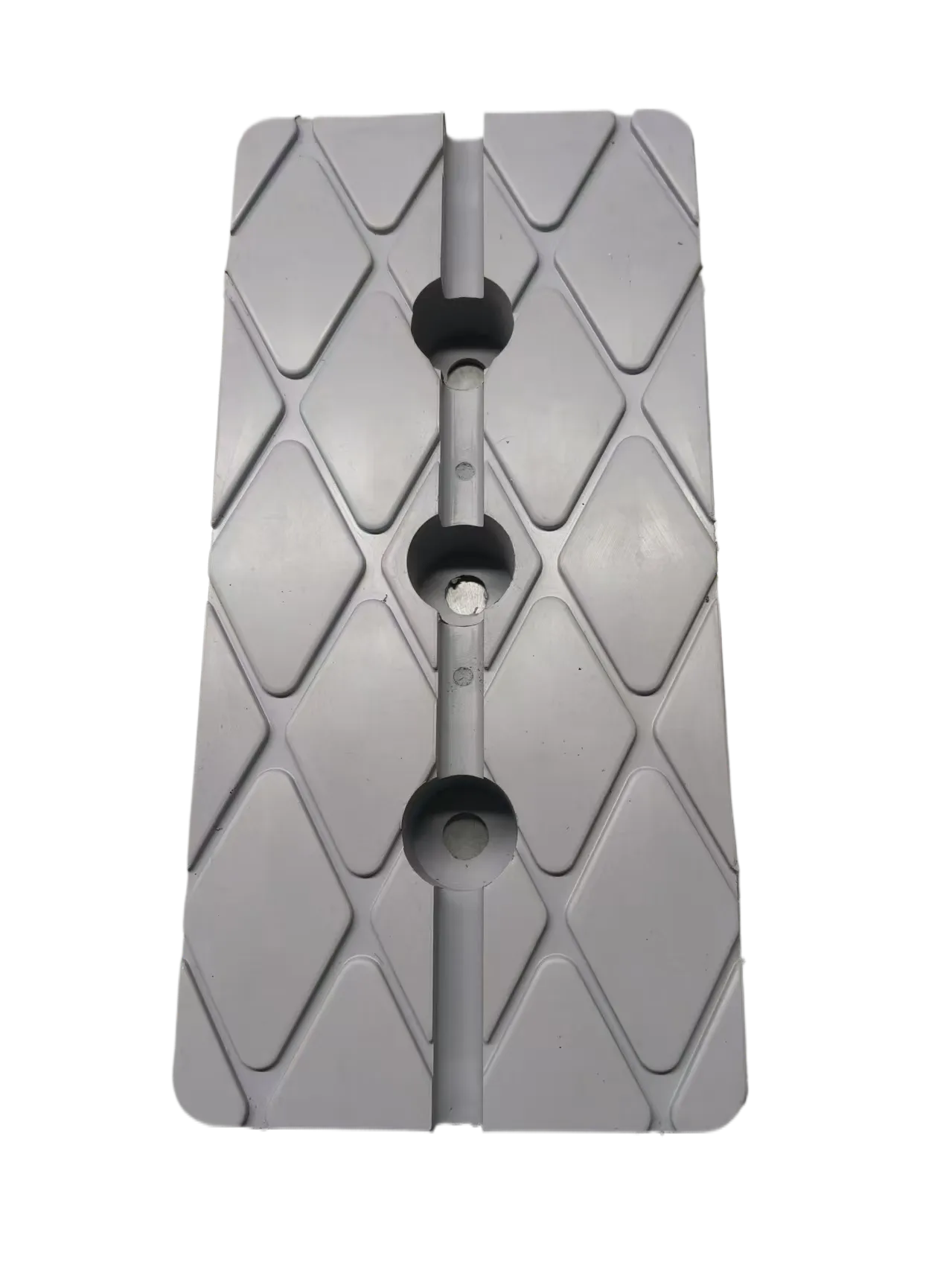
Metal roof washers are critical fasteners used in the installation of metal roofing systems, providing a watertight seal between the roofing material and the underlying structure. They are differentiated from standard washers by their larger outer diameter and often incorporate a rubber or polymeric sealing component. Their primary function is to distribute the load of the fastener, prevent damage to the roofing panel, and more importantly, ensure long-term weather resistance by preventing water ingress through the fastener hole. These washers are essential across a diverse range of metal roofing types, including standing seam, corrugated, and trapezoidal profiles, commonly found in commercial, industrial, and residential construction. Failure of these components can lead to significant structural damage, corrosion, and costly repairs, making correct specification and installation paramount. The industry faces challenges related to material compatibility with various metal roofing substrates, varying environmental conditions (UV exposure, thermal cycling, corrosion potential), and ensuring consistent sealing performance over the lifecycle of the structure.
Material Science & Manufacturing
Metal roof washers are typically manufactured from steel, stainless steel (grades 304 and 316 being common), aluminum, or coated steel. The choice of material depends on the roofing material it will be used with, the environmental conditions, and the required level of corrosion resistance. Carbon steel washers are often zinc plated or coated with other protective layers (e.g., epoxy, polyester) to mitigate corrosion. Stainless steel offers superior corrosion resistance, particularly grade 316, which incorporates molybdenum for enhanced chloride resistance, making it suitable for coastal environments. Aluminum is lightweight and corrosion resistant in many environments, but may be less durable under mechanical stress. The sealing components, when present, are commonly made from EPDM (ethylene propylene diene monomer) rubber, neoprene, or thermoplastic elastomers (TPEs) chosen for their UV resistance, flexibility, and ability to conform to irregular surfaces.
Manufacturing processes vary based on material. Steel and stainless steel washers are typically produced through stamping from coil stock. The stamping process involves precise die cutting to achieve the desired shape and dimensions. Post-stamping operations include deburring, cleaning, and potentially coating. Aluminum washers are similarly produced via stamping or from aluminum bar stock through machining. Washers with sealing components often involve an overmolding process where the rubber or TPE is molded directly onto the metal washer body, creating a robust bond. Key parameter control during manufacturing focuses on maintaining dimensional accuracy (outer diameter, inner diameter, thickness) to ensure proper fit and sealing. Coating thickness and adhesion are also critical for corrosion protection. Quality control involves regular material testing (chemical composition, hardness) and dimensional inspections using calipers, micrometers, and optical comparators.
Performance & Engineering
The performance of metal roof washers is dictated by several key engineering considerations. Load distribution is a primary factor; the washer must effectively spread the clamping force from the fastener over a wider area of the roofing panel to prevent deformation and maintain the integrity of the seal. Force analysis involves calculating the stress concentration around the fastener hole and optimizing the washer geometry to minimize this stress. Environmental resistance is crucial, particularly regarding UV exposure, thermal cycling, and corrosion. UV degradation can lead to embrittlement of the sealing component, reducing its effectiveness. Thermal cycling causes expansion and contraction of the materials, potentially loosening the fastener and compromising the seal. Corrosion, particularly galvanic corrosion between dissimilar metals (e.g., steel fastener and aluminum roofing), can lead to washer failure.
Compliance requirements vary depending on the region and application. Building codes often specify minimum performance requirements for roofing systems, including wind uplift resistance and watertightness. Washers must contribute to meeting these requirements. Testing standards include ASTM E1592 (Standard Test Method for Water Penetration of Standing Seam Roof Systems) and UL 580 (Tests for Uplift Resistance of Roof Assemblies). Furthermore, the selection of compatible materials is paramount to prevent accelerated corrosion. For example, using an aluminum washer with a steel fastener in a marine environment without a proper isolating layer will accelerate corrosion of the steel fastener. The washer’s compression set (the ability of the sealing component to retain its original shape after being compressed) is also a critical performance parameter. A high compression set indicates the sealing component has permanently deformed, reducing its sealing capability.
Technical Specifications
| Material | Outer Diameter (mm) | Inner Diameter (mm) | Thickness (mm) | Seal Material (if applicable) | Tensile Strength (MPa) |
|---|---|---|---|---|---|
| Carbon Steel (Zinc Plated) | 30 | 10 | 2.0 | N/A | 400 |
| Stainless Steel 304 | 35 | 12 | 2.5 | EPDM | 500 |
| Stainless Steel 316 | 40 | 15 | 3.0 | Neoprene | 520 |
| Aluminum 5052 | 25 | 8 | 1.5 | N/A | 280 |
| Carbon Steel (Epoxy Coated) | 32 | 11 | 2.2 | TPE | 420 |
| Stainless Steel 304 | 50 | 20 | 4.0 | EPDM | 510 |
Failure Mode & Maintenance
Metal roof washers can fail through several mechanisms. Fatigue cracking around the fastener hole can occur due to repeated thermal cycling and wind loading. Crevice corrosion, particularly in stainless steel washers in chloride-rich environments, can initiate at the interface between the washer and the roofing panel. Delamination of the sealing component from the metal washer body can compromise the watertight seal, leading to water ingress. Oxidation of carbon steel washers, even with protective coatings, can eventually lead to corrosion and loss of structural integrity. Degradation of the sealing component due to UV exposure results in cracking and loss of elasticity. Improper installation, such as overtightening or undertightening the fastener, can also lead to premature failure. Overtightening can deform the washer and damage the roofing panel, while undertightening can allow for movement and water penetration.
Preventative maintenance involves periodic inspection of the roofing system, particularly after severe weather events. Visual inspection should focus on identifying signs of corrosion, cracking, or delamination of the washers. Torque verification of the fasteners ensures they are within the specified range. If corrosion is detected, replacing the affected washers with compatible materials is crucial. Re-tightening fasteners that have loosened due to thermal cycling or vibration can prevent further damage. The application of a compatible sealant around the fastener head can provide an additional layer of protection against water ingress. Regular cleaning to remove debris and contaminants can also help prolong the life of the washers. A comprehensive maintenance plan should be documented and followed consistently to maximize the lifespan and performance of the metal roofing system.
Industry FAQ
Q: What is the primary difference between a standard washer and a metal roof washer?
A: A metal roof washer is specifically designed for use with metal roofing materials. It typically has a larger outer diameter to distribute the clamping load over a wider area and often incorporates a sealing component (rubber or polymer) to provide a watertight seal around the fastener, preventing water ingress. Standard washers lack these features and are not suitable for metal roofing applications.
Q: What material is best suited for metal roof washers in a coastal environment?
A: In coastal environments, where chloride exposure is high, stainless steel grade 316 is the preferred material. The addition of molybdenum in 316 stainless steel significantly enhances its resistance to chloride-induced corrosion compared to 304 stainless steel.
Q: What is the impact of galvanic corrosion on metal roof washers?
A: Galvanic corrosion occurs when dissimilar metals are in contact in the presence of an electrolyte (like rainwater). If a steel fastener is used with an aluminum roof panel without a proper isolating layer, the steel will corrode preferentially. To avoid this, use compatible materials (e.g., stainless steel fasteners with aluminum panels) or use an isolating washer or coating.
Q: What torque should be applied when installing metal roof washers?
A: The appropriate torque depends on the fastener size, material, and roofing material. The roofing material manufacturer and fastener supplier will provide specific torque recommendations. Overtightening can damage the roofing panel and washer, while undertightening can lead to leaks. A calibrated torque wrench should always be used.
Q: How can I determine if a metal roof washer has failed due to UV degradation?
A: UV degradation manifests as cracking, chalking, and loss of elasticity in the sealing component (if present). Visually inspect the washers for these signs. If the rubber or polymer sealing component feels brittle or easily tears, it has likely been compromised by UV exposure and should be replaced.
Conclusion
Metal roof washers represent a critical, often underestimated, component of any metal roofing system. Their selection and proper installation directly impact the long-term weather resistance, structural integrity, and overall lifespan of the roof. Understanding the material science involved, the nuances of manufacturing processes, and the potential failure modes is crucial for ensuring optimal performance. The industry’s continuous pursuit of improved materials and coating technologies promises to enhance the durability and corrosion resistance of these essential fasteners.
Moving forward, greater emphasis on standardized testing procedures and comprehensive quality control measures will be vital. Further research into alternative sealing materials with enhanced UV and chemical resistance is warranted. Proactive maintenance and regular inspections are key to identifying and addressing potential issues before they escalate into costly repairs. A holistic approach, encompassing material selection, installation techniques, and ongoing maintenance, will guarantee the long-term reliability and effectiveness of metal roof washer systems.