
Introduction
Plastic pipes and fittings represent a significant advancement in fluid conveyance systems across diverse industrial and municipal applications. Positioned as a cost-effective and corrosion-resistant alternative to traditional metallic piping, they are integral to water distribution, wastewater management, chemical processing, irrigation, and numerous other sectors. These systems are comprised of a range of thermoplastic materials – primarily Polyvinyl Chloride (PVC), Chlorinated Polyvinyl Chloride (CPVC), Polypropylene (PP), Polyethylene (PE), and Acrylonitrile Butadiene Styrene (ABS) – each offering unique properties tailored to specific operational requirements. Core performance characteristics include pressure rating, temperature resistance, chemical compatibility, and long-term durability. The selection of the appropriate plastic pipe and fitting material hinges on a thorough understanding of the fluid being conveyed, the operating environment, and relevant industry standards. The industry faces ongoing challenges relating to material degradation from UV exposure, permeation issues with certain chemicals, and the increasing demand for sustainable and recyclable materials.
Material Science & Manufacturing
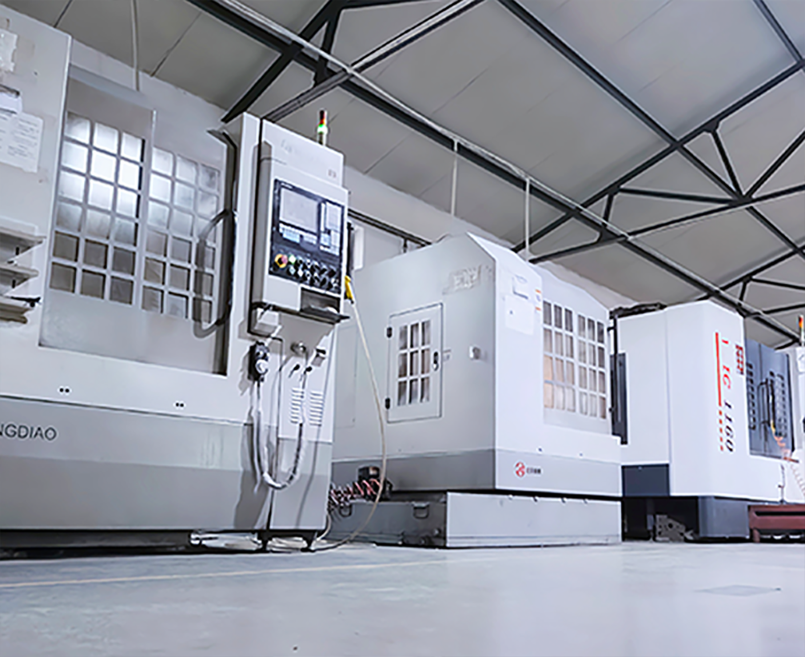
The foundation of plastic pipe performance lies in the material science of the thermoplastic polymers used. PVC, for instance, comprises a vinyl chloride monomer polymerized with plasticizers and stabilizers to achieve desired flexibility and resistance. CPVC incorporates additional chlorine, boosting temperature resistance up to approximately 82°C (180°F). PP exhibits excellent chemical resistance and is often used in high-temperature applications. PE, available in various densities (LDPE, HDPE, UHMWPE), offers superior ductility and impact resistance, while ABS provides a balance of strength, rigidity, and impact resistance. Manufacturing processes vary based on the material and pipe diameter. Extrusion is the dominant method, where molten plastic is forced through a die to create continuous pipes. Parameter control – including die temperature, screw speed, and cooling rates – is critical to maintain dimensional accuracy and uniform material properties. Fitting production involves injection molding, requiring precise mold design and temperature control to ensure structural integrity and tight tolerances. Welding techniques, like solvent cementing for PVC/CPVC and heat fusion for PE/PP, are vital for creating leak-proof joints. Quality control measures throughout the manufacturing process, including hydrostatic pressure testing and dimensional inspections, are essential to meet industry standards. The incorporation of UV stabilizers and antioxidants during the manufacturing phase significantly extends the service life of pipes exposed to sunlight.
Performance & Engineering
The performance of plastic pipe systems is governed by principles of fluid mechanics and material mechanics. Burst pressure, a critical design parameter, is determined by the material’s tensile strength, pipe diameter, and wall thickness, as described by Barlow’s formula (P = 2St/D, where P is pressure, S is tensile strength, t is wall thickness, and D is diameter). Long-term hydrostatic strength (LTHS) is a more realistic measure of sustained pressure capability, accounting for creep and material degradation over time. Environmental stress cracking (ESC) is a significant concern, particularly with PVC, where sustained tensile stress in the presence of certain chemicals can lead to premature failure. Temperature fluctuations induce thermal expansion and contraction, requiring expansion joints and proper support systems to prevent stress on joints and fittings. The chemical resistance of the material must be carefully considered to avoid degradation and leaching. For buried pipelines, soil conditions (corrosivity, load bearing capacity) and ground movement necessitate appropriate bedding and backfill materials. Compliance requirements vary by region and application, with stringent regulations governing potable water systems, hazardous waste conveyance, and fire protection systems. Finite Element Analysis (FEA) is frequently employed to model stress distributions, predict failure modes, and optimize pipe system designs.
Technical Specifications
| Material | Operating Temperature (°C) | Pressure Rating (psi) @ 23°C | Tensile Strength (MPa) |
|---|---|---|---|
| PVC | 0 – 60 | Up to 400 | 55 – 70 |
| CPVC | 0 – 93 | Up to 600 | 60 – 80 |
| PP | -20 – 95 | Up to 300 | 20 – 35 |
| HDPE | -40 – 60 | Up to 500 | 30 – 40 |
| ABS | -40 – 82 | Up to 250 | 40 – 50 |
| PVDF | -40 – 150 | Up to 800 | 60 – 90 |
Failure Mode & Maintenance
Plastic pipes are susceptible to several failure modes, including brittle fracture (particularly at low temperatures), crazing (formation of microcracks under stress), environmental stress cracking (ESC), and chemical attack. UV degradation causes embrittlement and discoloration, reducing long-term strength. Fatigue cracking can occur in systems subjected to cyclic pressure or vibration. Permeation, the diffusion of fluids through the pipe wall, can be problematic with certain chemicals and gases. Joint failures are often attributed to improper solvent cementing (for PVC/CPVC) or inadequate heat fusion (for PE/PP). Maintenance procedures should include regular visual inspections for cracks, leaks, and discoloration. Pressure testing can identify hidden leaks. For buried pipelines, cathodic protection may be necessary to mitigate corrosion of metallic fittings or adjacent structures. Cleaning procedures should avoid abrasive materials that can damage the pipe surface. Preventative maintenance programs should include monitoring of operating conditions (temperature, pressure, chemical exposure) and timely replacement of damaged components. Repair options include mechanical couplings, patch repairs (for minor damage), and complete pipe replacement for extensive failures. Proper storage of pipes and fittings, shielded from UV exposure and extreme temperatures, is crucial to maintain material integrity.
Industry FAQ
Q: What are the key differences between PVC and CPVC in terms of application suitability?
A: CPVC's higher chlorine content imparts significantly improved temperature resistance compared to PVC. While PVC is suitable for cold water and drainage applications up to around 60°C, CPVC can handle temperatures up to approximately 93°C, making it ideal for hot water distribution and certain industrial processes involving heated fluids. CPVC also exhibits greater resistance to certain chemicals, but it's generally more expensive than PVC.
Q: How does the pressure rating of a plastic pipe vary with pipe schedule (e.g., Schedule 40 vs. Schedule 80)?
A: Pipe schedule refers to the wall thickness. A higher schedule number (e.g., Schedule 80) indicates a thicker wall, resulting in a higher pressure rating. Thicker walls provide greater resistance to hoop stress under internal pressure. Schedule 80 pipes are typically used in applications requiring higher pressure capability or greater mechanical strength.
Q: What are the primary factors contributing to environmental stress cracking (ESC) in plastic pipes?
A: ESC is caused by the combined action of sustained tensile stress, a susceptible material (often PVC), and a specific chemical agent. The chemical agent weakens the polymer structure, making it prone to crack propagation under stress. Factors like prolonged exposure to certain solvents, high temperatures, and residual stresses from manufacturing can exacerbate ESC.
Q: How important is proper solvent cementing technique when joining PVC pipes and fittings?
A: Proper solvent cementing is paramount to achieving a leak-proof and structurally sound joint. Incorrect application – insufficient cement, inadequate dwell time, or improper pipe preparation – can lead to weak joints prone to failure. Following the manufacturer’s instructions regarding cement type, application technique, and curing time is crucial.
Q: What considerations should be taken into account when selecting plastic piping for buried applications?
A: Soil conditions, including corrosivity, load bearing capacity, and potential ground movement, are critical. Proper bedding and backfill materials are essential to distribute load evenly and prevent damage to the pipe. The pipe material must also be resistant to soil chemicals and microbial attack. Consideration should be given to the depth of burial and the potential for frost heave.
Conclusion
Plastic pipes and fittings represent a versatile and reliable solution for fluid conveyance, offering advantages in cost, corrosion resistance, and ease of installation. The selection of the optimal material necessitates a comprehensive understanding of the application requirements, including fluid compatibility, operating temperature, pressure demands, and environmental conditions. Adhering to relevant industry standards and employing proper installation and maintenance practices are critical to ensuring long-term performance and minimizing the risk of failure.
Future developments in plastic pipe technology will likely focus on the development of more sustainable materials, improved joining techniques, and enhanced performance characteristics. The demand for high-performance plastics capable of withstanding increasingly harsh environments and conveying complex fluids will drive innovation in material science and manufacturing processes. Furthermore, advancements in non-destructive testing methods will enable more effective monitoring of pipe integrity and predictive maintenance strategies.