
Introduction
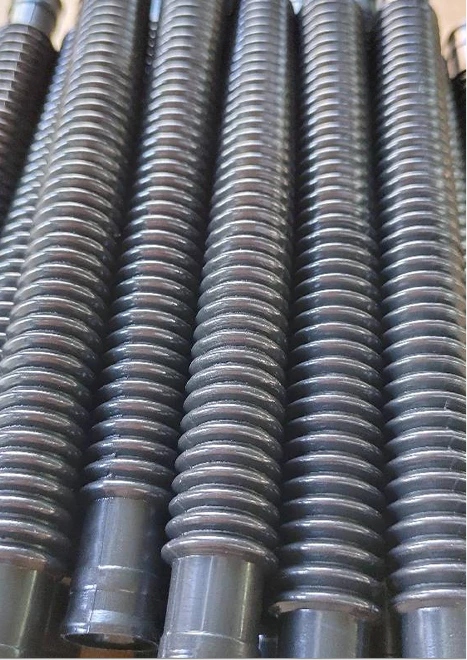
Machined plastic parts represent a critical component in a diverse range of industries, including aerospace, automotive, medical devices, and industrial automation. Unlike molded plastic components, machined parts are created through subtractive manufacturing processes – milling, turning, drilling, and grinding – from solid plastic stock. This methodology allows for tighter tolerances, complex geometries, and the realization of functional prototypes and low-volume production runs that may be impractical or uneconomical with injection molding. The technical position of machined plastics resides between standard plastic fabrication and precision metalworking, offering a balance of cost, weight, and performance characteristics. Core performance attributes include dimensional accuracy, surface finish, material strength, and resistance to chemical degradation and wear. The rising demand for lightweighting, corrosion resistance, and design flexibility continues to drive the adoption of machined plastic parts across various engineering applications. A significant pain point for manufacturers lies in selecting the appropriate plastic material for a given application, considering factors such as load, temperature, environment, and machinability.
Material Science & Manufacturing
The spectrum of plastics suitable for machining is broad, encompassing thermoplastics and thermosets, each possessing unique physical and chemical properties. Common thermoplastics include Acrylonitrile Butadiene Styrene (ABS), Polycarbonate (PC), Polyetheretherketone (PEEK), Polymethylmethacrylate (PMMA – Acrylic), Nylon (Polyamide), and Polyoxymethylene (POM – Acetal). Thermosets, while generally more challenging to machine, offer superior dimensional stability and temperature resistance, examples being Phenolic resins and Epoxy materials. The choice of material significantly impacts machinability. PEEK, for instance, requires specialized tooling and slow feed rates due to its inherent toughness and abrasive nature. ABS, conversely, is readily machinable but offers lower strength and temperature resistance. Manufacturing processes begin with the selection of appropriate stock shapes – rods, sheets, and tubes. CNC milling is the most prevalent machining method, utilizing rotating cutting tools to remove material. Turning is employed for cylindrical components, while drilling and tapping create precise holes. Key parameters controlling the process include spindle speed, feed rate, depth of cut, and coolant application. Coolant selection is critical, as incompatibility can lead to stress cracking or surface defects. For instance, ketones are often avoided with polycarbonate due to stress cracking issues. Surface finish is heavily influenced by tool geometry, feed rate, and material properties. Polishing and other post-machining operations are frequently employed to achieve desired surface roughness values. Material shrinkage rates must also be considered during programming to ensure dimensional accuracy.
Performance & Engineering
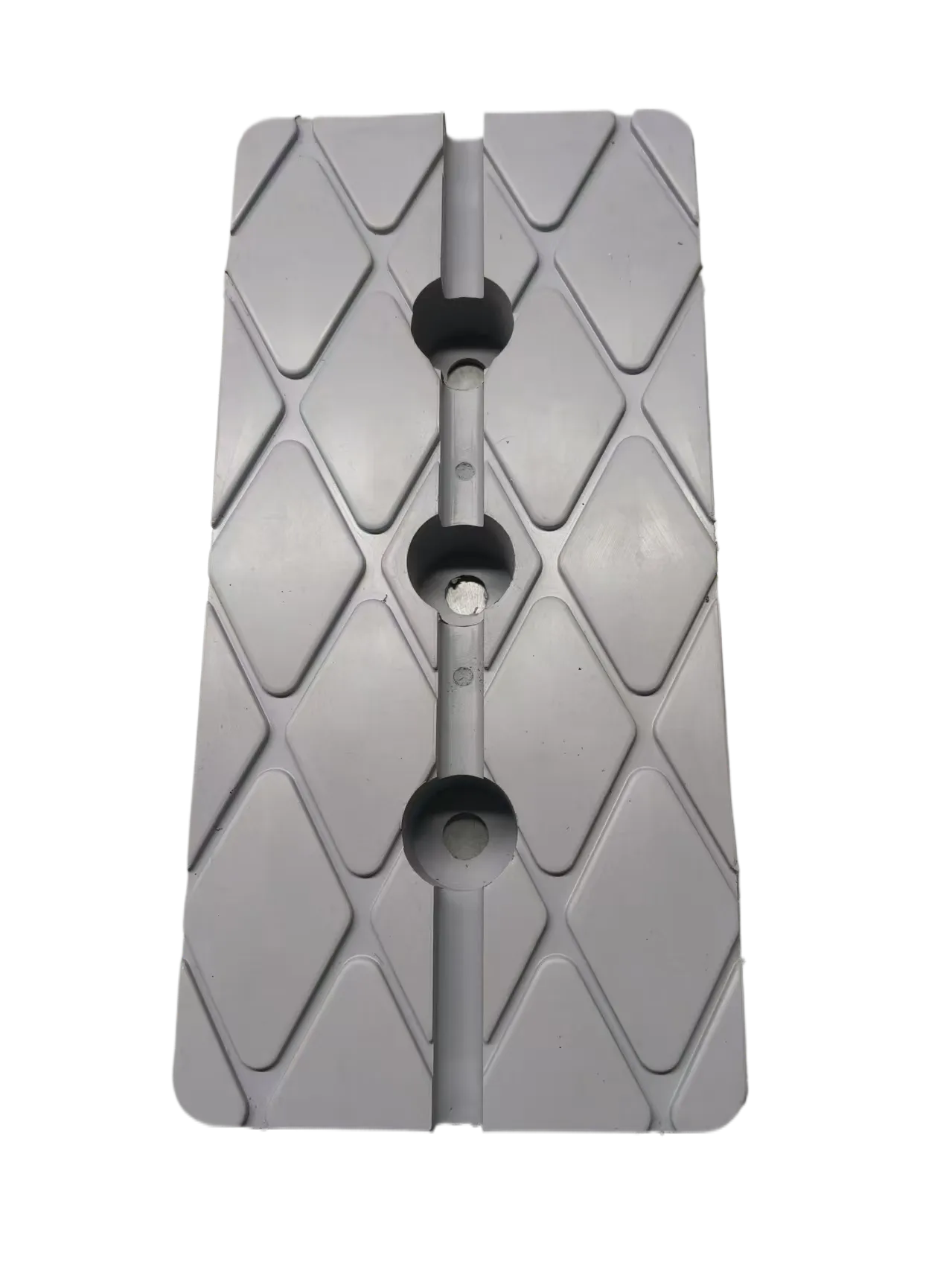
Performance analysis of machined plastic parts necessitates consideration of several key factors. Static and dynamic load analysis dictates material selection and component geometry. Finite Element Analysis (FEA) is often employed to simulate stress distribution under various loading conditions, identifying potential failure points. Environmental resistance is paramount; exposure to UV radiation, chemicals, and temperature extremes can degrade material properties. For example, prolonged exposure to sunlight can cause UV degradation in ABS, leading to embrittlement. Chemical compatibility charts are essential for determining suitability in corrosive environments. Compliance requirements vary by industry. Medical devices demand biocompatible materials (e.g., USP Class VI certified PEEK), while aerospace applications require materials meeting stringent flammability, smoke, and toxicity (FST) standards. Dimensional stability is critical in precision applications. The coefficient of thermal expansion (CTE) must be carefully considered, particularly in assemblies involving dissimilar materials. Fastener integration presents specific challenges. Plastic threads have lower shear strength than metal threads, requiring careful selection of fastener size and material, or the use of inserts. Furthermore, plastic components can creep under sustained load, necessitating over-design or the incorporation of reinforcing features.
Technical Specifications
| Material | Tensile Strength (MPa) | Flexural Modulus (GPa) | Water Absorption (%) | Operating Temperature (°C) | Machinability Rating (1-5, 5=Easy) |
|---|---|---|---|---|---|
| ABS | 40-60 | 2.5-3.5 | 0.5-1.0 | -20 to 85 | 4 |
| Polycarbonate | 60-75 | 2.3-2.7 | 0.1-0.3 | -40 to 120 | 3 |
| PEEK | 90-100 | 3.5-4.5 | 0.1-0.2 | -60 to 260 | 2 |
| PMMA (Acrylic) | 55-70 | 2.5-3.5 | 0.2-0.4 | -20 to 90 | 5 |
| Nylon 6/6 | 70-85 | 2.0-3.0 | 1.3-1.5 | -40 to 100 | 3 |
| POM (Acetal) | 70-80 | 3.0-3.5 | 0.3-0.5 | -40 to 85 | 4 |
Failure Mode & Maintenance
Machined plastic parts are susceptible to several failure modes. Fatigue cracking can occur under cyclic loading, particularly near stress concentrations (e.g., sharp corners, holes). Environmental Stress Cracking (ESC) arises from the combined effect of stress and chemical exposure, leading to brittle failure. Creep, the time-dependent deformation under sustained load, can result in dimensional instability. Delamination, common in layered composites, occurs due to separation between layers. Oxidation, particularly at elevated temperatures, degrades material properties. Wear, whether abrasive or adhesive, reduces dimensional accuracy and functionality. Failure analysis often involves microscopic examination of fracture surfaces to determine the root cause. Maintenance strategies include regular inspections for cracks, wear, and discoloration. Proper lubrication can mitigate wear in moving parts. Avoidance of incompatible chemicals and UV exposure prolongs service life. For critical applications, non-destructive testing methods like ultrasonic inspection can detect internal flaws. When replacing failed components, ensure the new part utilizes the same material grade and manufacturing process to maintain performance consistency. Storage conditions are also important; plastics should be stored in a cool, dry environment away from direct sunlight.
Industry FAQ
Q: What are the key differences between machining ABS and PEEK, and how does this impact cost?
A: Machining PEEK is significantly more challenging than ABS. PEEK requires slower feed rates, specialized cutting tools (often carbide with high-quality coatings), and robust machine tools to overcome its high tensile strength and abrasive nature. ABS is comparatively soft and easily machinable, resulting in faster cycle times and lower tool wear. This translates to a considerably higher cost for machining PEEK due to increased machining time, tool costs, and potential machine downtime. The material cost of PEEK is also substantially higher than ABS.
Q: How does moisture absorption affect the dimensional stability of machined Nylon parts?
A: Nylon is hygroscopic, meaning it readily absorbs moisture from the surrounding environment. This absorption leads to dimensional changes – expansion in size – which can compromise the accuracy of machined parts. The amount of expansion depends on the nylon grade and the level of moisture exposure. For applications requiring tight tolerances, it's crucial to dry the nylon material before machining and to consider the potential for dimensional changes during operation. Stabilized nylon grades with lower moisture absorption rates are available but often at a higher cost.
Q: What is the impact of tool selection on the surface finish of machined Polycarbonate?
A: Polycarbonate is prone to chipping and cracking during machining, making tool selection critical. Sharp tool edges should be avoided; instead, tools with polished flutes and a slightly positive rake angle are preferred to minimize stress concentrations. High-speed steel (HSS) tools can be used for light machining, but carbide tools are recommended for deeper cuts and higher material removal rates. Proper coolant application is also essential to dissipate heat and prevent thermal distortion.
Q: What are the common methods for improving the strength of threaded holes in machined plastic parts?
A: Plastic threads have significantly lower shear strength compared to metal threads. Common methods for improvement include using brass or stainless steel inserts (press-fit or ultrasonic welding), increasing the wall thickness around the threaded hole, and designing threads with a larger diameter. Applying a thread-locking adhesive can also enhance joint strength. Careful consideration of the fastener material and torque specifications is also crucial.
Q: What are the considerations when machining plastics for medical device applications?
A: Medical device applications demand strict adherence to biocompatibility regulations. Materials must be USP Class VI certified or meet equivalent standards. The machining process must be validated to ensure no contaminants are introduced that could compromise biocompatibility. Surface finish is also critical, as rough surfaces can harbor bacteria. Traceability of materials and manufacturing processes is essential for regulatory compliance. Furthermore, sterilization methods (e.g., autoclaving, gamma irradiation) must be compatible with the chosen plastic material.
Conclusion
Machined plastic parts offer a compelling alternative to metal components in numerous applications, providing a unique combination of properties – lightweight, corrosion resistance, design flexibility, and cost-effectiveness. Successful implementation, however, requires a thorough understanding of material science, manufacturing processes, and potential failure modes. The proper selection of plastic material, optimized machining parameters, and appropriate design considerations are paramount to achieving desired performance and longevity.
Looking forward, advancements in machining technology, such as high-speed machining and micro-machining, will further expand the capabilities of producing complex and precision plastic components. Continued development of new plastic materials with enhanced properties – higher strength, improved temperature resistance, and increased biocompatibility – will drive innovation across various industries. A growing emphasis on sustainability will also necessitate the utilization of recycled and bio-based plastics in machining operations.