
Introduction
Extra large metal washers are critical fastening components used in a wide array of industrial applications, ranging from heavy machinery and structural engineering to infrastructure projects and renewable energy installations. Unlike standard washers, these components are characterized by their significantly larger outer diameter and internal diameter, designed to distribute load over a broader surface area and accommodate oversized fasteners. Their primary function is to prevent damage to the joined materials, maintain clamping force under vibration and thermal cycling, and ensure the integrity of bolted connections. In the industry chain, they represent a crucial secondary component complementing bolts, nuts, and the materials being fastened. Core performance characteristics include load distribution capability, resistance to deformation, corrosion resistance, and conformance to specified dimensional tolerances. The increasing demands for larger and more robust infrastructure, coupled with a move towards more durable and reliable fastening systems, are driving the demand for high-quality extra large metal washers.
Material Science & Manufacturing
The manufacturing of extra large metal washers typically involves the use of high-strength carbon steels (e.g., AISI 1045, 1050), alloy steels (e.g., 4140, 4340), or stainless steels (e.g., 304, 316). Material selection is dictated by the application’s required mechanical properties, environmental conditions, and temperature range. Carbon steels offer high strength and are cost-effective, but are susceptible to corrosion. Alloy steels provide increased strength, toughness, and hardenability. Stainless steels excel in corrosion resistance, making them ideal for outdoor or corrosive environments.
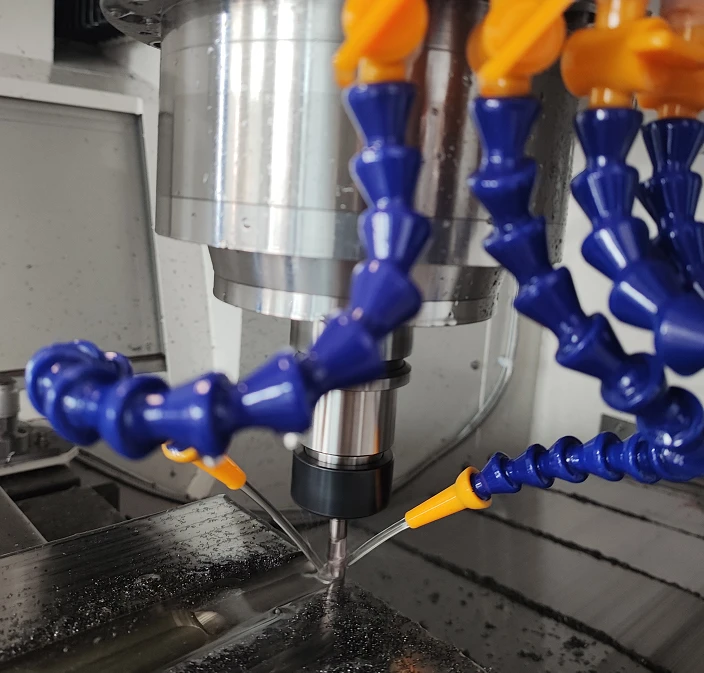
Manufacturing processes commonly employed include blanking, stamping, and forging. Blanking involves cutting the washer shape from a sheet of metal using a die. Stamping forms the final shape through successive die operations, enabling complex geometries. For larger sizes and higher strength requirements, forging (hot or cold) is preferred, providing superior grain structure and mechanical properties. Following forming, washers often undergo heat treatment processes like hardening, tempering, and stress relieving to achieve desired mechanical characteristics. Surface treatments such as zinc plating, hot-dip galvanizing, or powder coating are applied to enhance corrosion resistance. Critical parameters during manufacturing include material composition verification, dimensional accuracy (inner diameter, outer diameter, thickness, and hole diameter), surface finish quality, and hardness testing (Rockwell or Vickers). Deviation from specified tolerances can compromise the washer's performance and lead to premature failure. Quality control procedures involve rigorous inspection using calipers, micrometers, coordinate measuring machines (CMMs), and non-destructive testing methods like magnetic particle inspection to detect surface cracks and flaws.
Performance & Engineering
The performance of extra large metal washers is primarily governed by their load-bearing capacity, resistance to deformation (plastic or elastic), and ability to maintain clamping force under dynamic loading conditions. Force analysis, utilizing finite element analysis (FEA) modeling, is crucial for determining stress distribution within the washer under applied loads. Factors considered include the washer’s geometry, material properties, bolt preload, and external forces (tensile, shear, and bending). Washer thickness is a key parameter influencing load distribution and bending resistance. A thicker washer distributes the load over a larger area, reducing stress concentration on the joined materials. The internal diameter must be appropriately sized relative to the bolt diameter to prevent excessive deformation and maintain clamping force.
Environmental resistance is a critical engineering consideration. Washers exposed to corrosive environments require appropriate surface treatments or the use of corrosion-resistant materials (e.g., stainless steel). Temperature variations can affect the material’s mechanical properties and cause thermal expansion/contraction, potentially loosening the bolted connection. Design considerations must account for these factors. Compliance requirements are often dictated by industry-specific standards (e.g., ASTM, ISO) and application-specific regulations (e.g., bridge construction, aerospace). These standards specify material requirements, dimensional tolerances, mechanical properties, and testing procedures. Furthermore, the functional implementation considers the compatibility of the washer material with the materials being joined to prevent galvanic corrosion.
Technical Specifications
| Material Grade | Inner Diameter (mm) | Outer Diameter (mm) | Thickness (mm) |
|---|---|---|---|
| SAE 1045 Carbon Steel | 50 | 150 | 8 |
| AISI 4140 Alloy Steel | 75 | 225 | 12 |
| ASTM 304 Stainless Steel | 60 | 180 | 10 |
| ASTM 316 Stainless Steel | 80 | 250 | 15 |
| SAE 1050 Carbon Steel | 40 | 120 | 6 |
| AISI 1045 Carbon Steel | 100 | 300 | 18 |
Failure Mode & Maintenance
Common failure modes for extra large metal washers include fatigue cracking, yielding, corrosion, and deformation. Fatigue cracking occurs under cyclic loading, initiating at stress concentration points (e.g., the inner diameter or edges). Yielding occurs when the applied stress exceeds the material’s yield strength, resulting in permanent deformation. Corrosion can weaken the material and reduce its load-bearing capacity. Deformation can compromise clamping force and lead to joint failure. Failure analysis typically involves visual inspection, fractography (examining the fracture surface), and material testing to determine the root cause of failure.
Maintenance strategies involve regular inspection of bolted connections to identify signs of corrosion, deformation, or loosening. Torque checks should be performed periodically to ensure adequate clamping force. Lubrication of bolt threads can reduce friction and prevent loosening. In corrosive environments, protective coatings should be reapplied as needed. If a washer shows signs of fatigue cracking or significant deformation, it should be replaced immediately. Proper storage of washers in a dry environment prevents corrosion during prolonged periods of disuse. Furthermore, proper installation procedures, including the use of calibrated torque wrenches and adherence to specified torque values, are critical for preventing premature failure.
Industry FAQ
Q: What is the impact of material hardness on the performance of extra large washers in high-vibration applications?
A: Higher material hardness generally translates to increased resistance to wear and deformation under vibratory loads. However, excessively high hardness can reduce ductility, making the washer more susceptible to brittle fracture. An optimal balance between hardness and toughness is crucial, often achieved through appropriate heat treatment processes like tempering.
Q: How does the surface finish of a washer affect its corrosion resistance?
A: A smoother surface finish reduces the number of nucleation sites for corrosion. Furthermore, the quality of any applied surface treatment (e.g., zinc plating) is directly affected by the surface finish. A properly prepared surface promotes better adhesion of the coating, enhancing corrosion protection.
Q: What are the key considerations when selecting a washer material for a bimetallic corrosion scenario?
A: Galvanic corrosion can occur when dissimilar metals are in contact in the presence of an electrolyte. Material selection should prioritize minimizing the potential difference between the washer material and the materials being joined. Using a washer made of a more noble metal (cathodic protection) or applying a protective coating can mitigate the risk of galvanic corrosion.
Q: How important is dimensional accuracy, particularly the inner diameter, in maintaining consistent clamping force?
A: Dimensional accuracy of the inner diameter is paramount. An excessively large inner diameter can lead to localized yielding and reduced clamping force, while an undersized inner diameter can exert undue stress on the bolt and washer. Close adherence to specified tolerances ensures proper fit and consistent performance.
Q: What testing methods are typically used to verify the load-bearing capacity of extra large metal washers?
A: Common testing methods include tensile testing, shear testing, and compression testing. These tests are conducted according to relevant industry standards (e.g., ASTM) to determine the washer's yield strength, ultimate tensile strength, and resistance to deformation under various loading conditions. Finite element analysis (FEA) is also frequently employed for virtual testing and performance prediction.
Conclusion
Extra large metal washers are fundamental components in numerous critical engineering applications, demanding careful consideration of material selection, manufacturing processes, and performance characteristics. Their function extends beyond simply distributing load; they are integral to maintaining structural integrity, ensuring reliable fastening, and preventing premature failure. The inherent complexities of stress distribution, environmental resistance, and compliance standards necessitate a thorough understanding of the underlying engineering principles.
Moving forward, advancements in materials science, such as the development of high-strength, corrosion-resistant alloys, and innovative manufacturing techniques, like additive manufacturing, are poised to further enhance the performance and reliability of these essential components. Continued research and adherence to established industry standards will be crucial in meeting the evolving demands of increasingly complex and demanding industrial applications.