
Introduction
PVC conduit accessories represent a critical component within electrical infrastructure, facilitating the safe and organized routing of electrical wiring. These accessories, encompassing couplings, connectors, bends, and junction boxes, are manufactured from Polyvinyl Chloride (PVC) to provide non-conductive, corrosion-resistant, and durable pathways for electrical conductors. Their position in the electrical supply chain is post-conduit manufacturing, acting as essential connecting and terminating elements. Core performance characteristics center around maintaining the integrity of the wiring system against mechanical stress, environmental factors, and ensuring compliance with stringent safety regulations. The selection of appropriate accessories is paramount to a robust and reliable electrical installation, directly impacting system longevity and operational safety. A significant industry pain point revolves around inconsistent quality leading to premature failure, particularly in corrosive environments and high-temperature applications.
Material Science & Manufacturing
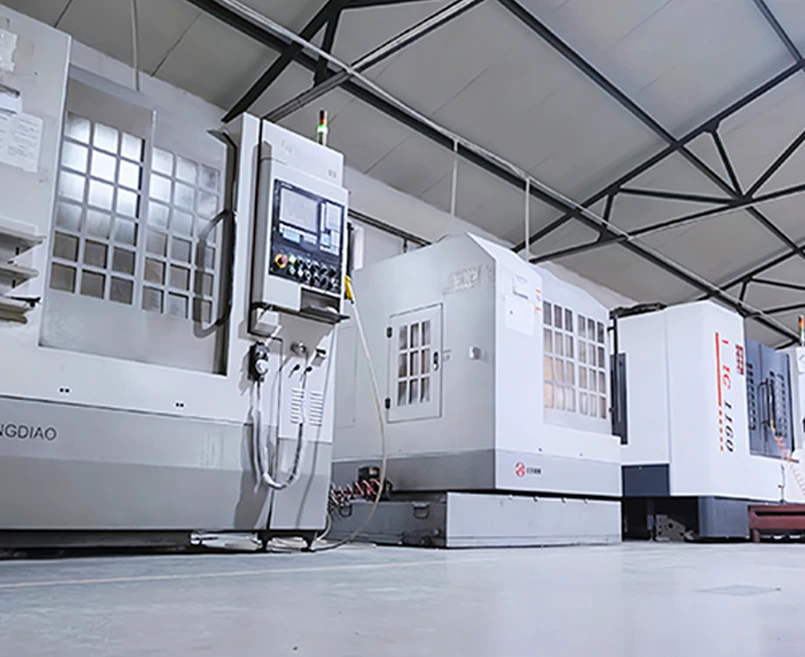
The primary material for PVC conduit accessories is Polyvinyl Chloride, a thermoplastic polymer produced by the polymerization of vinyl chloride monomer. PVC exhibits excellent dielectric strength, flame retardancy, and chemical resistance, crucial properties for electrical applications. Additives such as plasticizers (typically phthalates or alternative non-phthalate plasticizers), stabilizers (often based on lead or calcium-zinc compounds), and lubricants are incorporated during compounding to modify the material's flexibility, heat stability, and processability. Raw material purity and consistent additive dispersion are vital for ensuring uniform mechanical properties. Manufacturing processes primarily involve extrusion and injection molding. Extrusion is employed for creating conduit bodies and larger accessories, utilizing a heated barrel and die to shape the molten PVC. Injection molding is used for smaller, intricate components like connectors and couplings. Critical process parameters include extrusion temperature (160-210°C), injection molding pressure (60-90 MPa), cooling rate, and mold temperature (30-50°C). Precise control of these parameters is essential to minimize residual stress, warpage, and dimensional inaccuracies. The molecular weight distribution of the PVC resin also significantly affects impact resistance and long-term performance. Furthermore, UV stabilizers are often included to mitigate degradation from prolonged sun exposure.
Performance & Engineering
Performance of PVC conduit accessories is dictated by several engineering considerations. Tensile strength, impact resistance (measured by Izod or Charpy impact tests), and elongation at break are critical mechanical properties. These parameters determine the accessory’s ability to withstand physical stresses during installation and operation. Environmental resistance is also paramount; PVC’s inherent resistance to moisture, acids, and alkalis is advantageous. However, prolonged exposure to UV radiation can cause embrittlement and discoloration. Temperature ratings are crucial – standard PVC accessories are typically rated for -5°C to +60°C. Higher temperature applications necessitate specialized formulations with enhanced thermal stability. Force analysis considers bending moments at bends and connectors, requiring sufficient wall thickness and material strength to prevent deformation or fracture. Electrical properties, particularly dielectric strength and insulation resistance, must meet or exceed industry standards (e.g., UL, IEC). Compliance requirements, depending on the region, mandate adherence to specific flame retardancy standards (UL94 V-0 rating is common), dimensional tolerances, and marking requirements. The design of interlocking features, such as threads or solvent-weld joints, must ensure a secure and watertight connection to prevent ingress of moisture and contaminants. Furthermore, consideration must be given to thermal expansion and contraction of the PVC material, which can induce stress on connections over time.
Technical Specifications
| Parameter | Unit | Standard PVC | UV Stabilized PVC |
|---|---|---|---|
| Tensile Strength | MPa | 50-60 | 55-65 |
| Impact Strength (Izod Notched) | kJ/m2 | 4-6 | 6-8 |
| Elongation at Break | % | 20-30 | 25-35 |
| Water Absorption (24hr) | % | <0.1 | <0.1 |
| Operating Temperature Range | °C | -5 to +60 | -20 to +75 |
| Flame Retardancy (UL94) | Rating | V-0 | V-0 |
Failure Mode & Maintenance
PVC conduit accessories are susceptible to several failure modes. Cracking, particularly stress cracking induced by prolonged exposure to solvents or mechanical stress, is a common issue. UV degradation leads to embrittlement, discoloration, and reduced impact resistance, causing the material to become brittle and prone to fracture. Thermal degradation occurs at elevated temperatures, resulting in discoloration, loss of mechanical properties, and potential release of hydrochloric acid. Delamination can occur in injection-molded parts due to inadequate weld lines or insufficient material flow. Corrosion, while PVC itself is corrosion-resistant, can affect metal components embedded within the accessory (e.g., threaded inserts). Maintenance primarily involves visual inspection for cracks, discoloration, or deformation. Cleaning with mild soap and water can remove surface contaminants. Damaged accessories should be replaced immediately. For UV-exposed applications, periodic application of UV protective coatings can extend service life. Solvent welding joints should be inspected for complete bonding and tightness. Avoid applying excessive mechanical force during installation to prevent stress cracking. Regular checks for loose connections and proper grounding are also crucial for ensuring system safety.
Industry FAQ
Q: What is the impact of different plasticizer types on the long-term flexibility and performance of PVC conduit accessories?
A: The type of plasticizer significantly influences flexibility and longevity. Phthalate plasticizers, while cost-effective, are facing increasing regulatory scrutiny due to health concerns and can leach over time, leading to embrittlement. Alternative plasticizers like DINCH or DOTP offer improved performance and environmental profiles but may be more expensive. The choice depends on the application's regulatory requirements and expected service life.
Q: How does the quality of solvent cement impact the long-term integrity of solvent-welded joints?
A: Solvent cement quality is critical. Using a cement not specifically designed for PVC, or one that is expired, can result in incomplete bonding and weak joints prone to failure. The cement must properly dissolve and fuse the PVC surfaces. Proper application technique – applying a consistent, even layer – is equally important.
Q: What are the key considerations when selecting PVC conduit accessories for outdoor applications?
A: UV resistance is paramount. Select accessories specifically formulated with UV stabilizers. The concentration of stabilizer directly correlates with service life in sunlight. Consider the operating temperature range, as extreme temperatures can exacerbate UV degradation. Additionally, ensure the accessories are rated for the specific environmental conditions, such as exposure to saltwater or harsh chemicals.
Q: Can PVC conduit accessories be used in direct burial applications, and what precautions should be taken?
A: Yes, but only if specifically rated for direct burial. These accessories typically have enhanced impact resistance and are designed to withstand soil moisture and pressure. Proper bedding material and sufficient burial depth are crucial to prevent mechanical damage. Corrosion protection for any metallic components is also essential.
Q: What are the common causes of thread stripping in PVC conduit connectors?
A: Thread stripping can result from over-tightening during installation, using incompatible fittings (e.g., metal conduit to PVC), or repeated assembly/disassembly. Using a torque wrench to ensure proper tightening and selecting accessories with reinforced threads can mitigate this issue. Avoid cross-threading during installation.
Conclusion
PVC conduit accessories are integral to safe and reliable electrical infrastructure, offering a balance of performance characteristics, cost-effectiveness, and ease of installation. Their material composition and manufacturing processes are meticulously controlled to ensure compliance with stringent industry standards. However, understanding potential failure modes – UV degradation, stress cracking, and thermal instability – is critical for long-term system integrity. Selecting the appropriate accessory type, considering the application environment, and adhering to proper installation practices are paramount.
Future development trends focus on enhancing UV resistance through advanced stabilizer formulations, utilizing bio-based plasticizers to reduce environmental impact, and incorporating smart features such as integrated sensors for monitoring conduit integrity. Continued innovation in material science and manufacturing techniques will further improve the performance and longevity of PVC conduit accessories, solidifying their role as a cornerstone of electrical installations worldwide.