
Introduction
High-pressure O-rings are critical sealing components employed across a vast spectrum of industrial applications demanding leak-tight performance under extreme pressures and often, challenging environmental conditions. Positioned within the fluid power, oil and gas, aerospace, and automotive industries, these elastomeric seals function as static or dynamic seals, preventing the escape of fluids or gases. Unlike standard O-rings, high-pressure variants are engineered with tighter dimensional tolerances, specialized materials, and often reinforced construction to withstand pressures exceeding typical operating ranges. Core performance characteristics encompass pressure retention, volumetric expansion under pressure, resistance to extrusion, and maintaining sealing integrity over extended operational lifecycles. The selection process centers around optimizing material compatibility with the media being sealed, pressure levels, temperature ranges, and the expected duration of service. The industry faces ongoing challenges surrounding material degradation under harsh chemical exposure and the need for enhanced sealing solutions that minimize downtime and maximize operational safety.
Material Science & Manufacturing
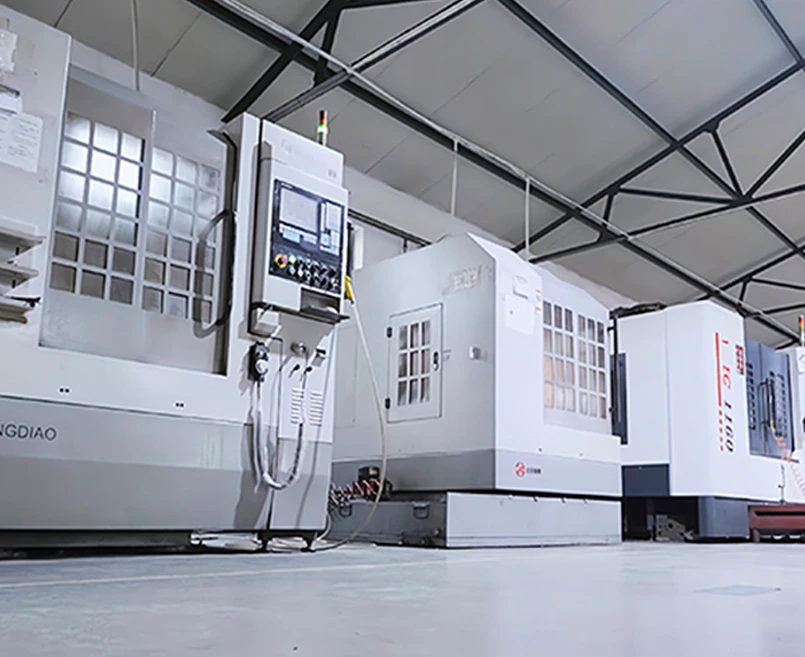
High-pressure O-rings are typically manufactured from specialized elastomeric compounds formulated to resist swelling, hardening, or cracking when exposed to aggressive fluids and extreme pressures. Common materials include Nitrile (NBR) – offering good resistance to petroleum-based oils, hydraulic fluids, and fuels; Viton (FKM) – providing superior resistance to high temperatures, oils, fuels, and a broad range of chemicals; Polyurethane (PU) – known for high tensile strength, abrasion resistance, and extrusion resistance; and Perfluoroelastomer (FFKM) – exhibiting the broadest chemical resistance and the highest temperature capability. Material selection is paramount. Manufacturing processes predominantly involve compression molding, transfer molding, and injection molding. Compression molding is suitable for large-diameter O-rings and limited production runs. Transfer molding offers improved dimensional control and is ideal for intricate designs. Injection molding allows for high-volume production and precise tolerances. Key parameter control during molding includes precise temperature regulation, controlled injection pressure, and optimized curing times to ensure complete vulcanization and consistent material properties. Post-molding operations include deburring, cleaning, and dimensional inspection. For extremely high-pressure applications, reinforcement materials like aramid fibers, stainless steel, or PTFE are often incorporated into the O-ring structure to prevent extrusion and enhance structural integrity. Proper mold design is critical to minimize flash and ensure consistent part geometry. The Shore hardness, measured using a durometer, is a crucial parameter, typically ranging from 70A to 90A, influencing sealing force and compression set.
Performance & Engineering
The performance of a high-pressure O-ring is fundamentally governed by force analysis and material behavior under stress. Finite Element Analysis (FEA) is routinely employed to simulate stress distribution within the O-ring during compression and to predict potential failure points. Key engineering considerations include the gland design – the housing that accommodates the O-ring – which must provide sufficient compression and support to prevent extrusion. The squeeze ratio (cross-sectional area of the O-ring after compression divided by its original cross-sectional area) is a critical parameter, typically between 1.5 and 3.0. Environmental resistance is another vital factor. Exposure to chemicals, temperature extremes, and UV radiation can lead to material degradation, impacting sealing performance. The selection of a compatible material is therefore crucial. Compliance requirements vary by industry. Aerospace applications adhere to stringent standards defined by organizations like SAE International. Oil and gas applications often require compliance with API standards. Pressure testing, leak testing, and dimensional verification are standard quality control procedures. Burst pressure testing determines the maximum pressure the O-ring can withstand before failure. The O-ring's ability to maintain a tight seal during dynamic applications is influenced by factors like surface finish of the mating components, lubrication, and operating frequency. Creep and relaxation, time-dependent deformation under constant stress, are also important considerations, especially in long-term sealing applications.
Technical Specifications
| Material | Maximum Operating Pressure (PSI) | Temperature Range (°F) | Hardness (Shore A) |
|---|---|---|---|
| Nitrile (NBR) | 3,000 | -40 to 250 | 70A - 90A |
| Viton (FKM) | 5,000 | -20 to 400 | 75A - 90A |
| Polyurethane (PU) | 4,000 | 0 to 200 | 80A - 95A |
| Perfluoroelastomer (FFKM) | 6,000 | -200 to 500 | 70A - 90A |
| Silicone (VMQ) | 2,000 | -60 to 450 | 30A - 80A |
| EPDM | 2,500 | -50 to 300 | 60A - 80A |
Failure Mode & Maintenance
High-pressure O-rings are susceptible to several failure modes. Extrusion failure occurs when the O-ring is forced into the gap between mating components due to excessive pressure, particularly in poorly designed gland geometries. Chemical attack results from incompatibility between the O-ring material and the media being sealed, leading to swelling, softening, or cracking. Thermal degradation occurs at temperatures exceeding the material’s operating limits, causing hardening and loss of elasticity. Fatigue cracking arises from repeated compression and decompression cycles, particularly in dynamic applications. Abrasion damage can occur due to the presence of particulate contaminants or rough surface finishes. Installation damage, such as nicks or cuts during installation, can compromise seal integrity. Proper maintenance practices include regular inspection for signs of degradation, ensuring adequate lubrication, and verifying gland geometry. Preventative maintenance schedules should be established based on operating conditions and application criticality. When replacing O-rings, it’s crucial to use the correct material and size. Proper storage of O-rings is essential to prevent drying and cracking. They should be stored in a cool, dark, and dry environment, away from direct sunlight and ozone sources. Failure analysis should involve visual inspection, material testing, and potentially microscopic examination to identify the root cause of failure and prevent recurrence.
Industry FAQ
Q: What is the impact of fluid viscosity on the performance of a high-pressure O-ring?
A: Higher fluid viscosity generally reduces the risk of leakage, as it provides increased resistance to fluid flow through any potential imperfections in the seal. However, it also increases frictional forces, potentially leading to accelerated wear and heat build-up, particularly in dynamic applications. Correct material selection, appropriate lubrication, and proper gland design are vital when dealing with high-viscosity fluids.
Q: How does surface finish affect the lifespan of a high-pressure O-ring?
A: A smoother surface finish on the mating components minimizes abrasion and reduces the likelihood of damage during installation and operation. Rough surfaces can cause premature wear and tear, leading to leakage. Generally, a surface roughness of Ra 16 micro-inches or less is recommended for optimal performance.
Q: What considerations should be taken when selecting an O-ring material for sour gas applications?
A: Sour gas (containing H2S) is highly corrosive and requires O-ring materials specifically designed to resist sulfide stress cracking. FFKM and specialized FKM compounds are commonly used in sour gas applications, but material selection must be carefully evaluated based on H2S concentration, temperature, and pressure. API RP 75 standards govern material selection for sour service.
Q: Is pre-lubrication of O-rings necessary, and if so, what type of lubricant is recommended?
A: Pre-lubrication is highly recommended, especially during installation, to reduce friction and prevent damage to the O-ring. The lubricant should be compatible with the fluid being sealed and the O-ring material. Silicone-based lubricants are commonly used, but for specific applications, specialized lubricants formulated for high-pressure and high-temperature environments may be required.
Q: What are the benefits of using reinforced O-rings in high-pressure systems?
A: Reinforced O-rings, typically with aramid or steel reinforcement, provide enhanced resistance to extrusion under high pressure, preventing the O-ring from being forced into the clearance gap. This significantly extends the service life of the O-ring and improves sealing reliability, particularly in demanding applications with narrow gland tolerances.
Conclusion
High-pressure O-rings represent a critical sealing technology, enabling reliable performance in challenging industrial environments. Successful implementation relies heavily on a thorough understanding of material science, manufacturing processes, and engineering principles. Proper material selection, optimized gland design, and adherence to industry standards are paramount to ensuring long-term sealing integrity and preventing catastrophic failures.
Looking forward, advancements in material technology, such as the development of novel FFKM formulations and self-lubricating elastomers, promise to further enhance the performance and durability of high-pressure O-rings. Continued refinement of FEA modeling and simulation techniques will also contribute to more accurate prediction of O-ring behavior under extreme conditions, leading to improved design and optimized sealing solutions.